
Service History
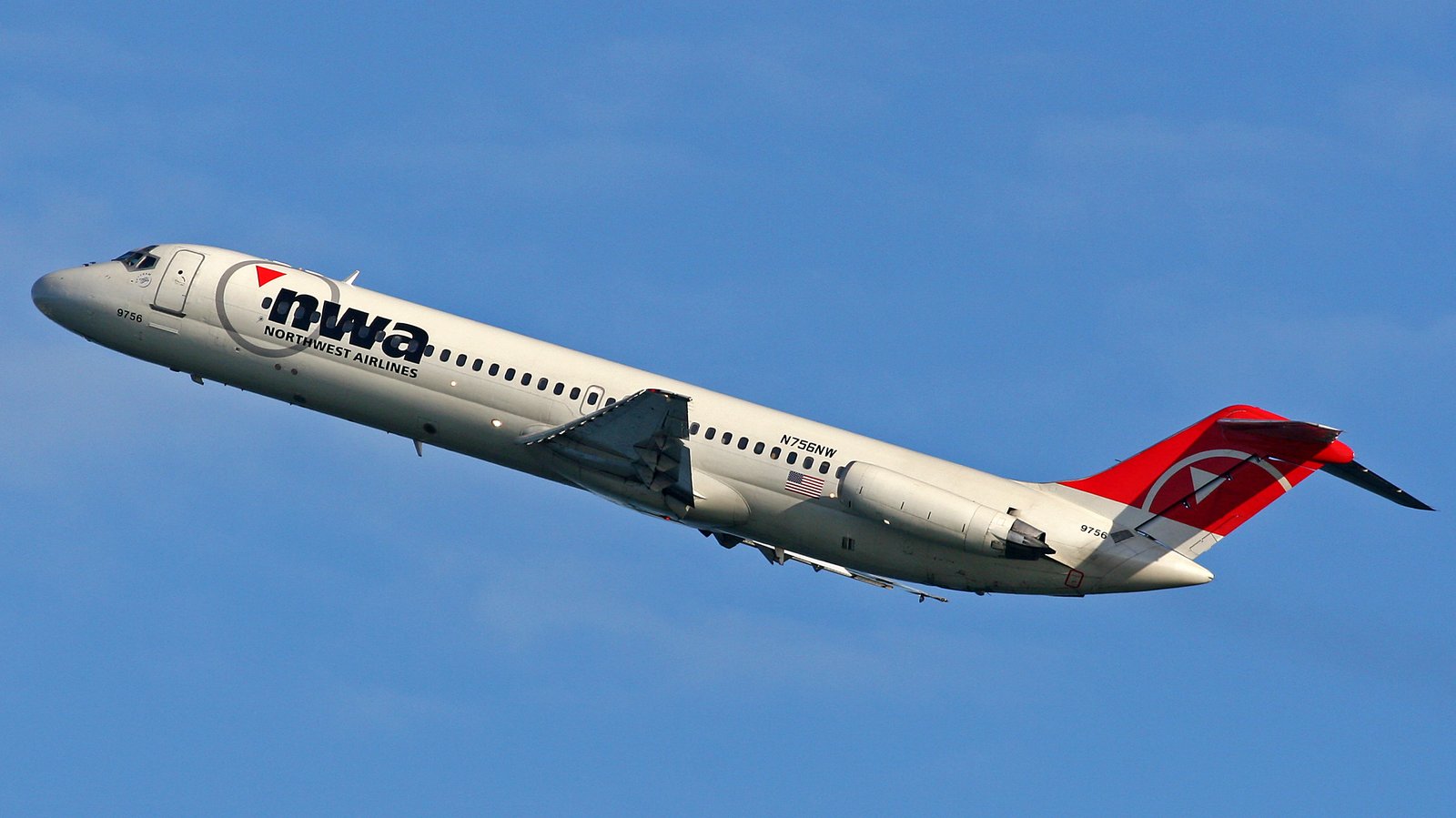
The DC-9-20 carved out a specialized niche in European regional aviation, where short runways and challenging airport conditions demanded superior performance characteristics. Scandinavian Airlines System (SAS) became the launch customer, ordering 10 aircraft and placing the type into revenue service on January 27, 1969. The variant proved its worth on routes connecting Scandinavian cities with smaller airports that couldn't accommodate larger jets, enabling SAS to extend jet service to previously turboprop-only destinations.
Despite its technical capabilities, the DC-9-20 attracted only six operators worldwide during its brief production run. The specialized nature of its short-field performance came at a premium price, limiting its appeal compared to the more versatile DC-9-30 that followed. Delta Air Lines, though instrumental in launching the DC-9 family with an initial 15-aircraft order in 1963, focused primarily on other variants better suited to their route network.
The Manufacturer
Douglas Aircraft Company, founded on July 1, 1920, in Santa Monica, California, had established itself as a commercial aviation pioneer long before the DC-9 program began. The company's legacy included revolutionary designs like the 1935 DC-3, which dominated airline operations worldwide, and the 1958 DC-8 jetliner that challenged Boeing's 707 in the early jet age.
The 1967 merger with McDonnell Corporation created McDonnell Douglas, occurring just as DC-9-20 development reached its final stages. This timing meant the aircraft carried the McDonnell Douglas designation despite being fundamentally a Douglas design. The merged company continued Douglas's commercial aviation tradition until Boeing acquired McDonnell Douglas in 1997, integrating all operations under the Boeing banner.
Final assembly took place at the Long Beach, California facility, where Douglas had manufactured aircraft since expanding from Santa Monica. This location would continue producing DC-9 variants until 1982, ultimately delivering 976 total DC-9s across all series.
Engine & Technical Innovation
Pratt & Whitney's JT8D turbofan engines powered the DC-9-20, available in either JT8D-5 configuration producing 12,500 pounds of thrust or the more powerful JT8D-7 variant generating 14,000 pounds of thrust. These low-bypass turbofans, representing America's first production engines of this type in the 1960s, provided the reliability and fuel efficiency essential for regional operations.
The DC-9-20's unique engineering solution combined the 104-foot fuselage of the Series 10 with the extended wingspan of the Series 30, creating superior short-field capabilities. This hybrid approach allowed operations from runways as short as those serving 98 percent of American airports in 1965, according to Douglas calculations. The T-tail configuration and rear-mounted engines contributed to clean airflow over the wings during critical takeoff and landing phases.
Low-drag leading-edge slats, refined through extensive wind tunnel testing, enhanced the wing's performance at lower speeds. The two-person cockpit featured advanced avionics for the era, enabling efficient crew operations while maintaining the high safety standards expected in commercial aviation.
Performance Characteristics
Pilots appreciated the DC-9-20's stable handling characteristics and predictable flight behavior across various operating conditions. The aircraft achieved a maximum cruise speed of Mach 0.84, equivalent to approximately 557 miles per hour at altitude, while maintaining a service ceiling of 35,000 feet. Its maximum range of 1,200 nautical miles made it ideal for regional route structures.
The maximum takeoff weight reached 108,000 pounds, carefully balanced to optimize short-field performance while maintaining adequate payload capacity. This weight distribution allowed operators to maximize passenger loads on shorter routes while retaining the flexibility to carry additional fuel for longer segments when runway length permitted.
Production Legacy
Production of the DC-9-20 lasted barely eight months, from September 1968 through May 1, 1969, making it one of the shortest production runs in commercial aviation history. The rapid production cycle reflected both the specialized market demand and McDonnell Douglas's desire to move toward the more commercially viable DC-9-30 and subsequent stretched variants.
The 137 DC-9-20s represented just over 14 percent of total DC-9 production, yet their influence extended beyond their numbers. The variant proved that jet aircraft could successfully serve smaller airports, paving the way for the regional jet revolution that would transform air travel decades later. The design philosophy pioneered in the DC-9-20 influenced subsequent McDonnell Douglas products, including the MD-80 and MD-90 series.
Today, few DC-9-20s remain in active service, with most having been retired as newer, more fuel-efficient regional jets entered service. However, the variant's contribution to proving short-haul jet viability from compact airfields remains a significant chapter in commercial aviation development, demonstrating that specialized aircraft could successfully serve niche markets despite limited production numbers.