
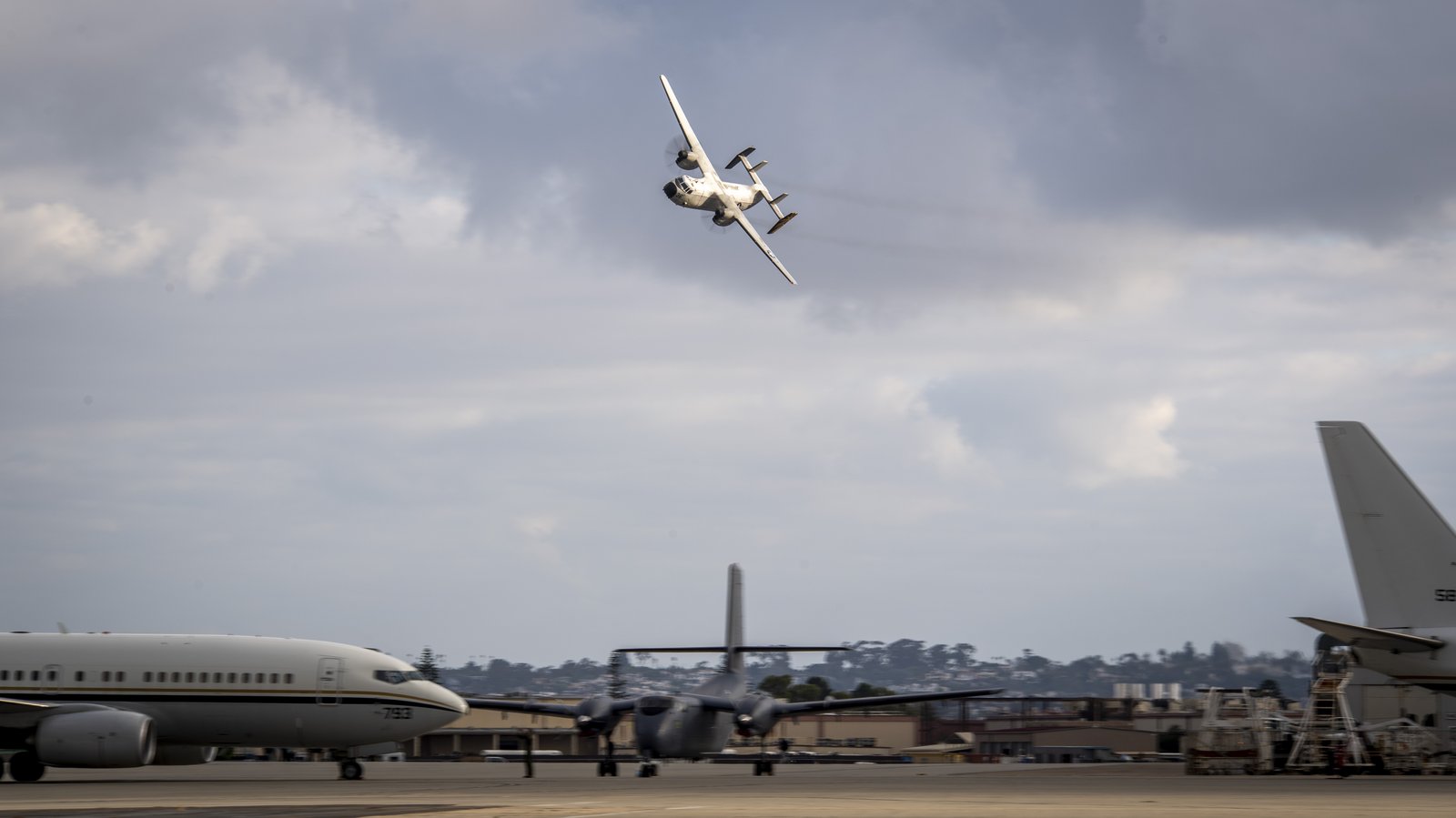
Development and Design Philosophy
The DHC-4 Turbo Caribou emerged from De Havilland Canada's recognition that their successful piston-powered DHC-4 Caribou could benefit significantly from turboprop conversion. By the late 1960s, operators worldwide were demanding aircraft with better performance at high altitudes and in hot climates, where the original Caribou's Pratt & Whitney R-2000 radial engines showed limitations.
De Havilland Canada's engineering team, led by the same designers who had created the original Caribou, approached the conversion methodically. They retained the aircraft's proven high-wing configuration and robust landing gear while completely redesigning the powerplant installation. The transformation required extensive modifications to the engine mounts, fuel systems, and electrical architecture to accommodate the new turboprop engines.
Engine and Performance Transformation
The Turbo Caribou utilized twin Pratt & Whitney Canada PT6A turboprop engines, each producing significantly more power than the original radial engines while weighing considerably less. This power-to-weight improvement translated into enhanced payload capacity and superior performance in demanding operating conditions.
The turboprop installation provided operators with several advantages beyond raw performance. The PT6A engines offered greater reliability, reduced maintenance requirements, and significantly improved fuel efficiency compared to the original radial powerplants. Pilots appreciated the simplified engine management, as turboprops eliminated the complex mixture and propeller controls required by the piston engines.
Cruising speed increased substantially over the original Caribou, while maintaining the aircraft's renowned short-field capabilities. The Turbo Caribou could operate from strips as short as 1,200 feet, making it invaluable for accessing remote locations where conventional aircraft could not venture.
Military and Commercial Applications
Military forces showed immediate interest in the Turbo Caribou's capabilities, particularly for tactical transport missions in challenging environments. The aircraft's ability to carry substantial loads into and out of unprepared airstrips made it ideal for supporting remote operations and resupply missions.
The large rear cargo door, inherited from the original Caribou design, accommodated vehicles, artillery pieces, and oversized cargo that other aircraft in its class could not handle. This versatility proved especially valuable for operators requiring maximum flexibility in mission profiles.
Commercial operators, particularly those serving remote communities and resource extraction sites, found the Turbo Caribou's combination of payload capacity and rough-field performance invaluable. The aircraft excelled in roles ranging from passenger service to heavy cargo hauling in locations where infrastructure remained minimal.
De Havilland Canada's Strategic Position
De Havilland Canada had established itself as the premier manufacturer of rugged utility aircraft through designs like the DHC-2 Beaver, DHC-3 Otter, and DHC-6 Twin Otter. The Turbo Caribou represented the company's commitment to continuously improving their existing designs rather than abandoning proven concepts.
This philosophy reflected De Havilland Canada's deep understanding of their customer base, which valued reliability and serviceability over cutting-edge technology. The company recognized that operators in remote locations needed aircraft they could maintain and repair with limited facilities and support infrastructure.
Production Challenges and Market Reality
Despite its technical merits, the Turbo Caribou faced significant market challenges that limited its commercial success. The conversion program required substantial investment in certification and tooling, while the potential market remained relatively small compared to other De Havilland Canada products.
The timing of the Turbo Caribou's development coincided with increasing competition from purpose-built turboprop transports from other manufacturers. These newer designs, while lacking the Caribou's unique capabilities, offered lower acquisition costs and more conventional operating characteristics that appealed to many operators.
Production numbers remained limited, with most examples serving specialized roles where the aircraft's unique combination of capabilities justified the premium price. The limited production run meant that spare parts and support infrastructure never reached the critical mass necessary to make the type economically attractive to cost-conscious operators.
Legacy and Current Status
The DHC-4 Turbo Caribou stands as an example of how even excellent engineering solutions can struggle against market realities. While the aircraft successfully addressed the performance limitations of its piston-engine predecessor, it arrived at a time when the market was moving toward different solutions.
Today, surviving Turbo Caribous remain in service with specialized operators who value their unique capabilities. The aircraft continues to demonstrate the soundness of De Havilland Canada's original design philosophy, proving that well-engineered utility aircraft can provide decades of reliable service when properly maintained.
The experience gained from the Turbo Caribou program influenced De Havilland Canada's approach to future projects, reinforcing the importance of market timing and production economics alongside technical excellence.