
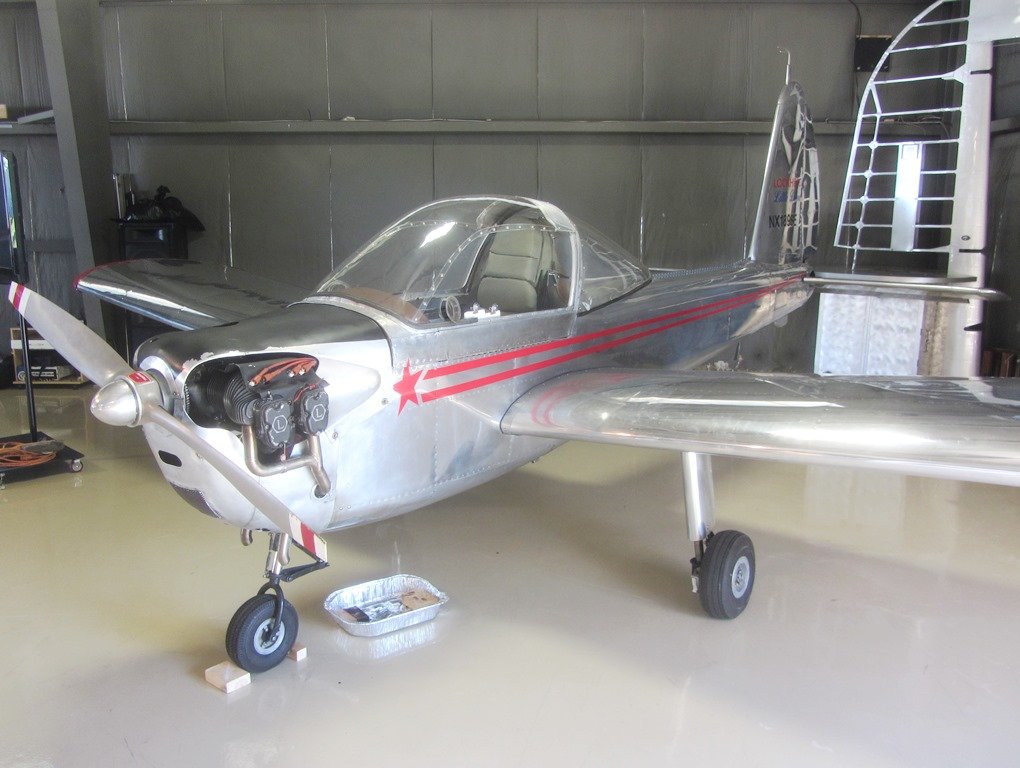
Historical Context
The Collins Dipper designation emerges from an era when aircraft naming conventions and type certificates were being systematized by aviation authorities. During the post-World War II period, numerous aircraft manufacturers experimented with designs that never progressed beyond preliminary stages, leaving only administrative traces in official databases.
Collins Radio Company Background
Collins Radio Company, founded by Arthur Collins in 1933 in Cedar Rapids, Iowa, established itself as a premier manufacturer of aviation communication and navigation equipment rather than complete aircraft. The company gained recognition for producing high-frequency radio transmitters and receivers that equipped military and civilian aircraft throughout the 1940s and 1950s. Collins equipment was installed in aircraft ranging from small general aviation planes to large commercial airliners and military transports.
The company's primary expertise lay in electronic systems, making any aircraft manufacturing venture a significant departure from their core competencies. Collins Radio Company eventually became Collins Aerospace through various acquisitions and mergers, ultimately joining Raytheon Technologies in 2020.
Aircraft Development Era
The timeframe associated with the Collins Dipper designation coincides with extensive experimentation in American aviation during the late 1940s and early 1950s. This period saw numerous companies attempting to capitalize on anticipated post-war aviation growth, with many projects initiated but few reaching production status.
Collins Radio Company did venture into aircraft development with the Collins Aerodyne, an experimental vertical takeoff and landing aircraft designed under the guidance of Alexander Lippisch in the 1950s. This VTOL aircraft represented the company's most documented foray into aircraft manufacturing, though it remained an experimental prototype used primarily for wind tunnel testing.
Design Philosophy and Approach
Without detailed specifications available, the Collins Dipper's design philosophy can only be inferred from the company's general approach to engineering problems. Collins Radio Company emphasized reliability and precision in their electronic products, suggesting any aircraft bearing their name would likely prioritize similar characteristics.
The "Dipper" designation suggests possible similarities to other aircraft using celestial naming conventions, though the specific reasoning behind this nomenclature remains unclear. Aircraft names during this era often reflected performance characteristics, regional associations, or simply marketing appeal.
Contemporary Aircraft Landscape
During the probable development period of the Collins Dipper, the American aircraft industry was dominated by established manufacturers like Douglas, Lockheed, Boeing, and Cessna. New entrants faced significant challenges in competing with companies that had proven track records and established distribution networks.
Many experimental aircraft from this period shared common challenges: limited funding, regulatory hurdles, and market conditions that favored established designs. The success of aircraft like the Douglas DC-3 and emerging jet technologies created a competitive environment where innovative but unproven designs struggled to find acceptance.
Regulatory Environment
The assignment of the ICAO designation DIPR indicates the aircraft progressed far enough through regulatory channels to receive official recognition, even if operational history remains undocumented. The International Civil Aviation Organization's systematic approach to aircraft identification ensures that even limited-production or prototype aircraft receive unique designators.
This regulatory footprint suggests the Collins Dipper represented more than a mere paper project, implying some level of design completion or certification attempt. However, the absence of detailed records indicates the project likely terminated before achieving significant operational status.
Legacy and Historical Significance
The Collins Dipper serves as an example of aviation's numerous "what if" scenarios, representing the ambitious spirit of post-war American aviation development. While Collins Radio Company achieved lasting success in avionics and communication systems, their aircraft manufacturing ventures remained limited.
The designation's persistence in aviation databases demonstrates the thoroughness of modern record-keeping systems, which preserve even minimal documentation of aircraft that never achieved widespread recognition. This administrative legacy provides researchers with breadcrumbs leading to aviation's less celebrated chapters.
Today, aviation enthusiasts and historians continue investigating obscure aircraft designations like the Collins Dipper, recognizing that complete aviation history includes both celebrated successes and forgotten experiments. These investigations help preserve the full scope of American aviation innovation, acknowledging that progress often involved numerous unsuccessful attempts alongside documented achievements.