
Service History
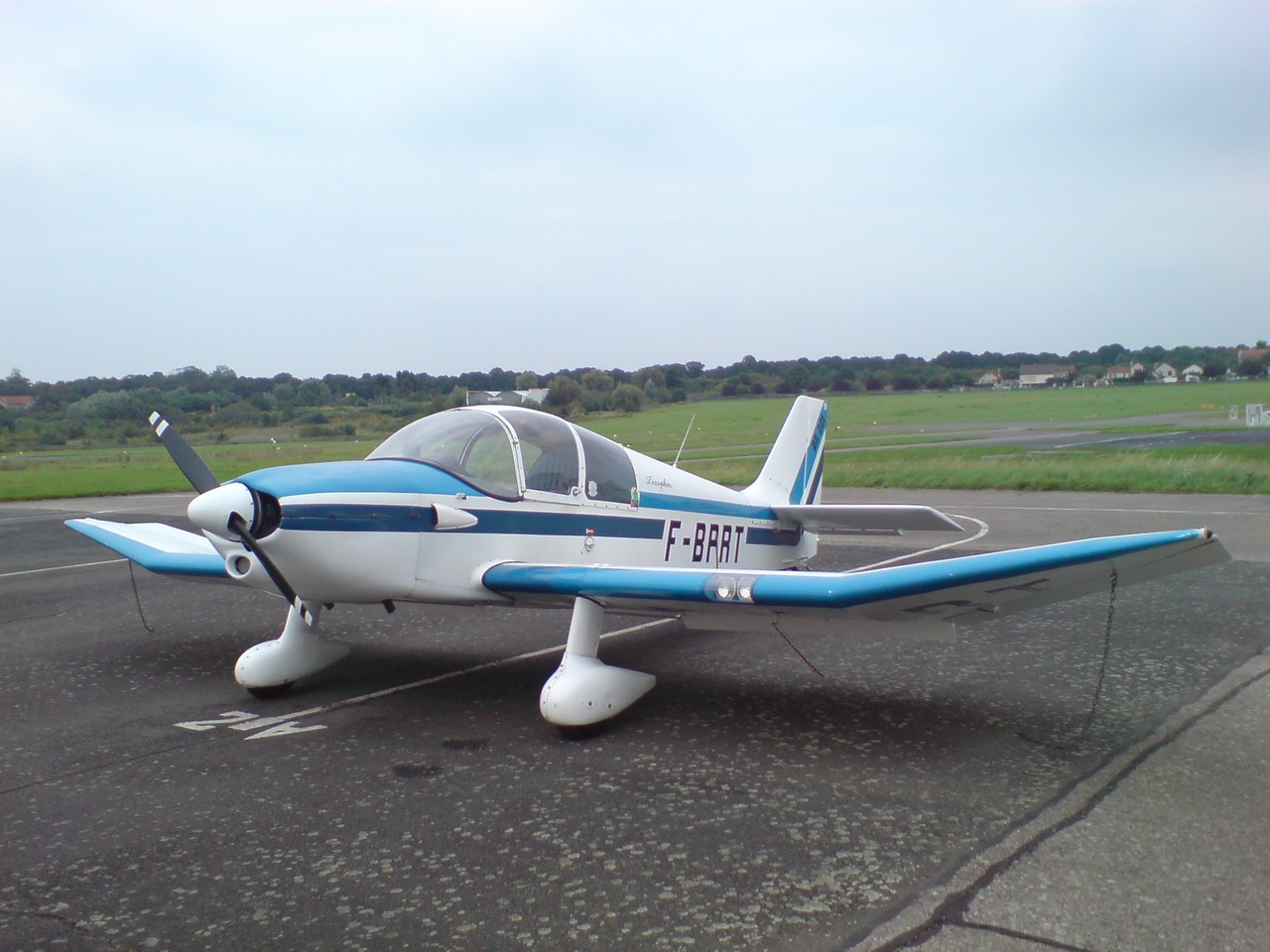
The DR-220 2+2 carved out a specialized niche in European general aviation as a compact trainer and touring aircraft. Flying clubs and private owners across France and neighboring countries adopted the type for its manageable size and reliable performance characteristics. The aircraft represented an intermediate step between two-seat trainers and full four-seat touring machines, offering the structural benefits of the larger DR.200 series while maintaining the operational simplicity desired by flight training organizations.
Examples of the type continued active service well into the 21st century, with aircraft like PH-DCV still operating from airports such as Teuge in the Netherlands as of 2024. The concentrated production run of 83 aircraft in a single year created a cohesive fleet that maintained consistent performance standards across operators.
The Manufacturer
Centre-Est Aéronautique emerged from humble origins in October 1957 when Pierre Robin and Jean Délémontez established their company in a modest half-round hangar at Darois, France, beginning operations with just ten woodworkers. Délémontez brought crucial design expertise as the principal architect behind Jodel aircraft, while Robin contributed business acumen and manufacturing vision.
The partnership proved remarkably productive, with CEA initially focusing on the DR.100 series and securing licenses to produce over 500 Jodel D9 aircraft. By the mid-1960s, the company had evolved to manufacture the more sophisticated DR.200 series, demonstrating their progression from basic trainers to refined touring aircraft.
In November 1970, production responsibilities transitioned to Avions Pierre Robin, marking the end of the CEA era but ensuring continuity of the design lineage. The Darois facility experienced a renaissance in May 2011 when Robin Aircraft resumed manufacturing operations, producing updated variants like the DR.401 under type certificates held by CEAPR.
Engine & Technical Details
The Continental O-200-A powerplant represented a proven choice for the DR-220 2+2, delivering 105 horsepower through a flat-four configuration that had already established its reliability credentials across thousands of light aircraft applications. Continental Motors began O-200 production in the 1950s, ultimately manufacturing over 35,000 examples during more than five decades of continuous production.
This engine selection reflected careful consideration of the aircraft's intended role, prioritizing simplicity and maintenance accessibility over raw power. The O-200's light weight and straightforward operation made it ideal for training environments where student pilots required forgiving performance characteristics.
Some DR-220 examples later received upgrades to the Continental O-235 engine, producing 108 horsepower and earning the designation DR.221 Dauphin. This variant achieved production of 62 units, demonstrating market acceptance of the enhanced powerplant option.
Design Innovation
Jean Délémontez's design approach for the DR-220 2+2 involved intelligently adapting the successful DR.200 airframe rather than creating an entirely new aircraft. By shortening the fuselage while maintaining the proven wing and control surface designs, Délémontez created a more compact package that retained the flight characteristics pilots appreciated in the larger variant.
This design philosophy reflected the collaborative nature of the Délémontez-Robin partnership, with the "DR" designation honoring both contributors to the aircraft family. The shortened fuselage approach allowed CEA to serve market segments requiring smaller aircraft while leveraging existing tooling and manufacturing expertise.
The cranked wing design that characterized the DR.200 series became a signature element that would influence Robin aircraft for decades, ultimately evolving into the enduring DR.400 series that achieved first flight in 1972 and remained in production well into the 21st century.
Production & Legacy
The concentrated 1967 production run of 83 aircraft represented CEA's ability to efficiently manufacture a specialized variant while maintaining focus on their core DR.200 family development. This focused approach allowed the company to satisfy specific market demand without diluting resources across too many concurrent projects.
The DR-220 2+2 served as a crucial evolutionary step between the original Jodel-influenced designs and the more sophisticated aircraft that would emerge from the Robin lineage. The type's development contributed valuable experience that informed subsequent projects, including the tricycle-gear DR.253 introduced in 1967 and the metal-construction HR.100 that followed in 1969.
Today, surviving examples of the DR-220 2+2 represent tangible links to this formative period in French general aviation development. While exact numbers of airworthy aircraft remain uncertain, the continued operation of examples like PH-DCV demonstrates the enduring appeal of Délémontez's compact trainer concept and the solid construction standards that characterized Centre-Est Aéronautique's brief but influential manufacturing period.