
Design Philosophy and Innovation
The DV-1 Skylark emerged from DOVA Aircraft's ambitious goal to revolutionize ultralight construction when the company formed in 2000. Unlike most ultralight manufacturers who relied on fabric-covered steel tube frames, DOVA chose flush-riveted aluminum sheet construction typically reserved for larger aircraft. This decision created a sleeker, more durable airframe that could achieve higher speeds while maintaining the weight restrictions required for microlight and light sport aircraft certification.
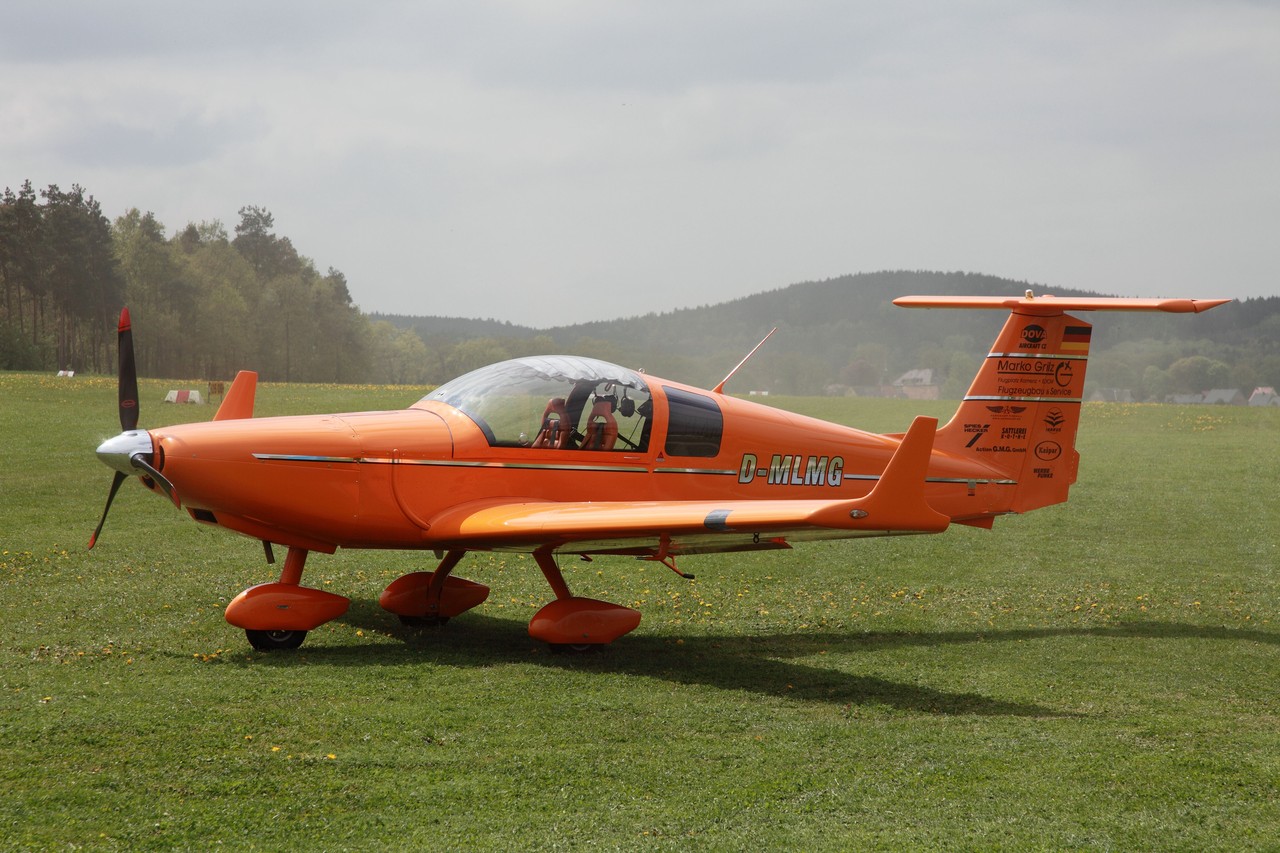
The aircraft's distinctive T-tail configuration and winglets set it apart visually from conventional ultralights, while the bubble canopy provided exceptional visibility for both occupants. The side-by-side seating arrangement, unusual in the ultralight category, made the Skylark more appealing to pilots accustomed to traditional general aviation aircraft.
Technical Specifications and Performance
Powered by the proven Rotax 912UL or 912ULS engines producing 100 horsepower, the Skylark achieves a maximum speed of 240 km/h and cruises at 210 km/h. The more powerful 115-horsepower turbocharged Rotax 914 option provides additional performance for pilots requiring higher service ceilings or improved climb rates. The aircraft's impressive 8-meter-per-second rate of climb and 3,650-meter service ceiling rival many certified aircraft costing significantly more.
With a range of 1,000 to 1,200 kilometers from its 90-liter fuel capacity, the Skylark offers genuine cross-country capability. The aircraft's gentle stall speed of 64 km/h with flaps extended makes it forgiving for less experienced pilots, while its +4/-2 G limits allow for moderate aerobatic maneuvers. The fixed tricycle landing gear with wheel pants maintains the clean aerodynamic lines while providing stable ground handling.
Manufacturing and Production
DOVA Aircraft began production in 2002 at their facility in Paskov, Czech Republic, offering the Skylark both as a kit for amateur builders and as a factory-completed aircraft. By 2017, seven examples were registered with the Federal Aviation Administration in the United States, suggesting modest but steady international sales. The company's nearly two-decade production run demonstrates the design's commercial viability in the competitive ultralight market.
The aircraft meets both European FAI microlight regulations and U.S. light sport aircraft requirements, allowing it to be legally operated by sport pilots in America without requiring a full private pilot license. This dual certification significantly expanded the potential market for the aircraft.
Operational History and Safety Record
The Skylark has operated primarily in the hands of private pilots seeking high-performance recreational flying. Notable U.S. registrations include N919E, a 2007-built aircraft that experienced a partial power loss incident near San Carlos Airport, California in 2015. Investigation revealed the probable cause as vapor lock in the fuel system, highlighting the importance of proper Rotax installation procedures including required fuel return lines.
In Europe, aircraft like Czech-registered OK-BAA 01 continue active operations, with recent sightings at airports such as Jindřichův Hradec demonstrating the type's ongoing utility more than two decades after its introduction.
Variants and Development
DOVA expanded the Skylark concept with the DV-2 Infinity, featuring a conventional cruciform tail design instead of the T-tail configuration. The Infinity achieves approximately 20 km/h higher speeds by eliminating the winglets and reducing drag, though it sacrifices some of the original's distinctive appearance.
Both variants feature custom Czech Kašpar propellers optimized for the airframe's aerodynamic characteristics. Customers can specify either fixed-pitch or adjustable propellers depending on their intended use patterns.
Legacy and Current Status
The DV-1 Skylark represents a significant achievement in ultralight aircraft design, proving that advanced construction techniques and aerodynamic refinement could be successfully applied to aircraft weighing less than 500 kilograms. While production numbers remain modest compared to more established manufacturers, the aircraft's continued availability and active operator base demonstrate DOVA Aircraft's success in creating a viable niche product.
The Skylark's influence can be seen in subsequent ultralight designs that have adopted similar aluminum construction and advanced aerodynamics. As ultralight aviation continues evolving toward more sophisticated aircraft, the DV-1 Skylark stands as an early example of this trend toward higher performance and build quality in the light sport category.