
Service History
The ERJ-170-200 entered commercial service in 2005, building upon the success of the base E170 variant that had begun revenue operations with LOT Polish Airlines in March 2004. The aircraft transformed regional aviation by capturing 80 percent of the North American 76-seater market share, offering passengers four-abreast seating with 32-inch pitch instead of the cramped configurations typical of earlier regional jets. By 2018, the broader E-Jet family had accumulated over 25 million flight hours while maintaining an exceptional 99.9 percent dispatch reliability rate across more than 1,600 delivered aircraft.
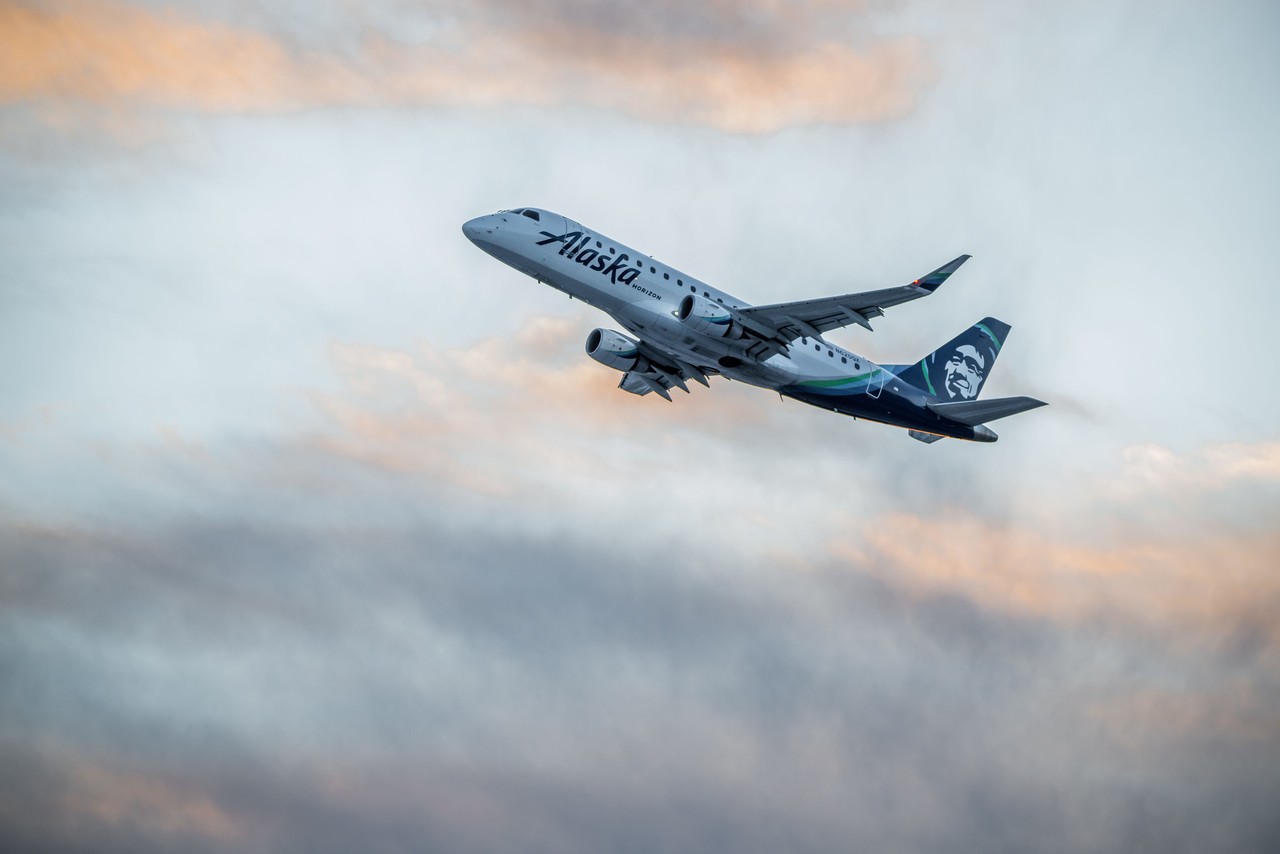
The E75L variant found particular success with regional carriers seeking to replace aging turboprops while meeting stringent scope clause restrictions that limited major airlines' regional partners to specific aircraft weights and seat counts. Horizon Air, an Alaska Airlines subsidiary, became a significant operator and received the 1,500th E-Jet delivery on December 18, 2018. Other major operators included Air Canada, which introduced E175s in 2005, and jetBlue Airways, which placed a substantial 100-aircraft order for the larger E190 variant in April 2003.
The Manufacturer
Embraer S.A., originally founded as Empresa Brasileira de Aeronáutica in 1969 as a Brazilian state enterprise, transformed itself into the world's third-largest aircraft manufacturer through the E-Jet program. After privatization in 1994, the company invested heavily in developing a clean-sheet regional jet design to compete directly with Bombardier's CRJ series. The company constructed a dedicated production facility at São José dos Campos, Brazil, which achieved full-rate manufacturing by 2002.
The Brazilian manufacturer faced a significant corporate challenge in 2018 when Boeing agreed to acquire an 80 percent stake in Embraer's commercial aviation division for $4.2 billion. However, the deal collapsed in 2020 due to regulatory complications and changing market conditions, leaving Embraer to continue as an independent entity. Today, the company remains active in commercial aviation, producing both first-generation E175s and the newer E2 family variants.
Engine & Technical Innovation
General Electric's CF34-8E turbofan engines power the ERJ-170-200, each producing 14,000 pounds of thrust (62.3 kN). These engines represented a significant advancement in fuel efficiency and reliability for the 70-seat class, mounted beneath the wings in a configuration that provided excellent ground clearance and maintenance access. The powerplants contributed to the aircraft's maximum cruise speed of Mach 0.78 and service ceiling of 41,000 feet.
Embraer's design team, led by the company's engineering division, initially conceived the E-Jet as an ERJ-145 derivative in March 1997 but shifted to an entirely new design by February 1999. The decision proved crucial in creating an aircraft that could compete effectively with Bombardier's offerings. Advanced Honeywell avionics systems, though causing initial development delays, provided pilots with modern glass cockpit technology that simplified operations and training.
Development and Flight Testing
The E-Jet program officially launched at the June 14, 1999 Paris Air Show with initial designations ERJ-170 and ERJ-190. The first prototype, registered PP-XJE and assigned manufacturer serial number 17000001, rolled out on October 29, 2001. Chief test pilot Marcos Bortoleto conducted the maiden flight on February 19, 2002, from Embraer's São José dos Campos facility, beginning an extensive flight test program involving six prototypes.
The stretched E175 variant, which shares the same extended wingspan configuration as the E75L designation, completed its first flight in June 2003. This variant proved most commercially successful due to its optimal balance of capacity and operating economics under U.S. airline scope clause restrictions.
Production and Legacy
Embraer ceased production of the original E170 family in 2017 after manufacturing 114 aircraft of various configurations. However, the E175 variant continued in production to meet ongoing demand from U.S. regional carriers. The E75L and related variants remain active with 14 airlines worldwide, representing a smaller but significant portion of the regional jet market.
The aircraft's legacy extends beyond mere production numbers to its role in elevating Embraer from a regional manufacturer to a global competitor. The E-Jet family's success directly challenged Bombardier's dominance in the regional jet market and established new standards for passenger comfort in aircraft under 100 seats. Today, while first-generation E-Jets face competition from Embraer's own E2 series and other manufacturers, the type continues serving routes worldwide, having proven the viability of Brazil as a major aircraft manufacturing center.