
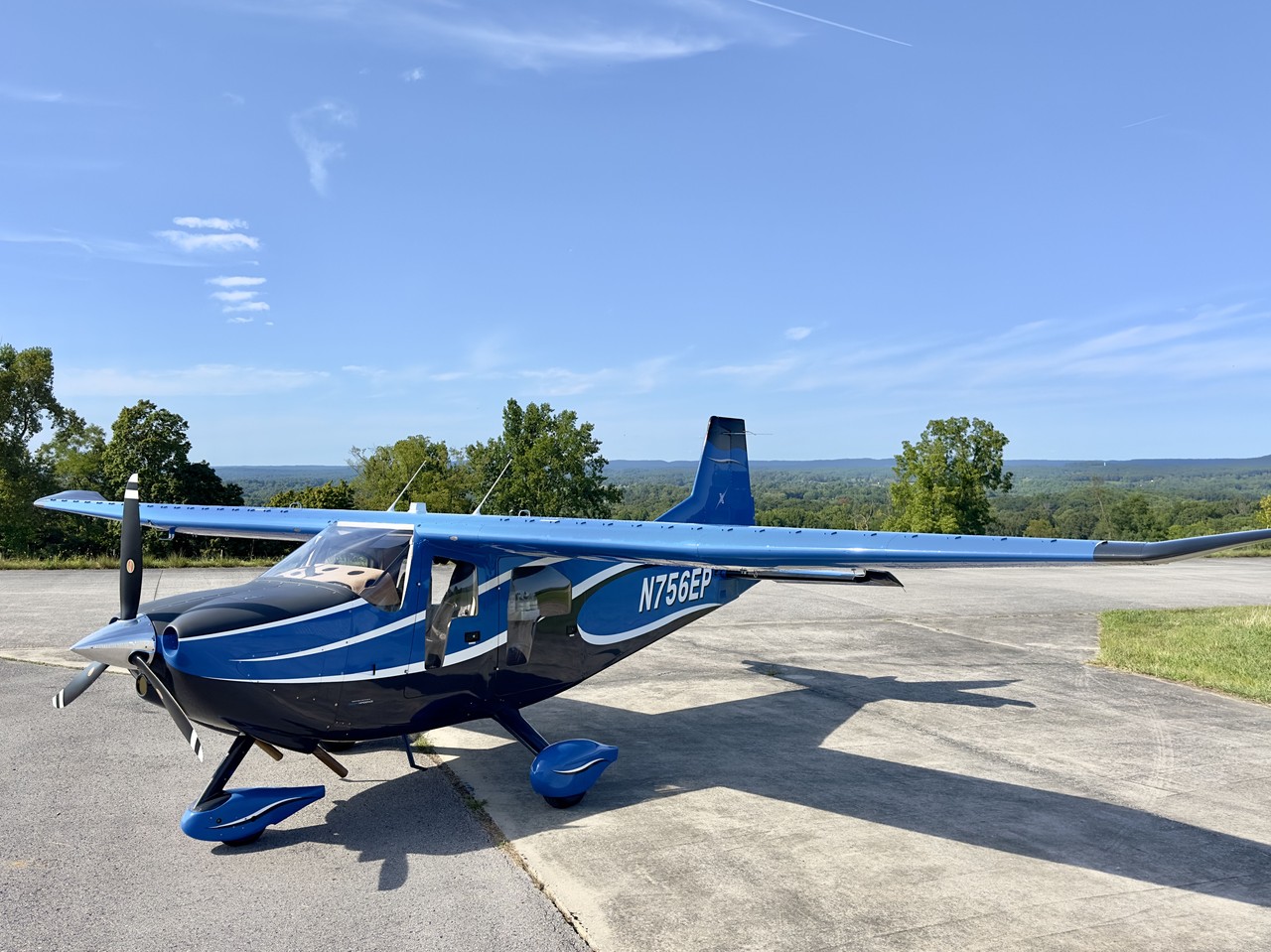
Service History
The FBA-2 Bush Hawk carved out a specialized niche serving remote operations from the Mackenzie River to the Arctic coast. By the late 1990s, operators like Reliance Airways in the Northwest Territories and Nakina Outpost Camps in Ontario placed orders for the modernized variants. The aircraft's versatility with interchangeable landing gear made it invaluable for seasonal operations, switching between wheels for summer airstrips, floats for water landings, and skis for winter snow conditions. Between the original production run and the later revival, a total of 70 Bush Hawks entered service across Canada and the United States.
The Manufacturer
Found Brothers Aviation Ltd emerged from Canada's post-war aviation boom, incorporating in 1946 to serve the nation's expanding bush flying operations. The company initially built the FBA-1 utility aircraft before developing the more capable FBA-2 series. After receiving United States and Canadian certification in 1964, the company relocated to expanded facilities in Rexdale, a Toronto suburb, but ceased operations in the late 1960s after completing just 27 aircraft.
Three decades later, Found Aircraft Development Inc acquired the design rights in 1996, later becoming Found Aircraft Canada Inc. This revived company established 25,000 square feet of production facilities at Sound Area Municipal Airport in central Ontario, employing over 75 people to produce the modernized FBA-2C1 Bush Hawk-XP variant.
Engine & Technical Details
The original FBA-2C utilized an Avco Lycoming O-540-A1D six-cylinder piston engine, while later variants employed upgraded Lycoming IO-540-D and IO-540-L models. The modernized FBA-2C1 Bush Hawk featured a 300-horsepower Lycoming IO-540L engine, providing substantial power for short-field operations and heavy loads typical of bush flying.
The aircraft maintained conventional tailwheel configuration throughout its production history, optimizing it for unprepared surfaces. Original variants accommodated four to five occupants, while the FBA-2C expanded capacity to six seats. The high-wing design provided excellent ground clearance for oversized tundra tires and enhanced stability during slow-speed operations.
Production & Legacy
Found Brothers Aviation completed 27 FBA-2C aircraft between 1962 and late 1966, plus five improved Centennial 100 variants before the company's closure. The first production FBA-2C achieved first flight on May 9, 1962, with the prototype having flown two years earlier in 1960.
When production resumed in the late 1990s, Found Aircraft Canada built 38 Bush Hawks and Bush Hawk-XPs between 1998 and the early 2000s. The modernized FBA-2C1 Bush Hawk first flew on October 4, 1998, receiving Transport Canada certification on March 5, 1999. The first aircraft was exported to the United States on May 24, 2001, with production slots sold through 2004.
Safety and Museum Preservation
The Aviation Safety Network documents multiple FBA-2 accidents since 1962, including several fatal incidents involving Bush Hawk variants operating in challenging northern conditions. Notable accidents occurred at Lake Temagami in 2003, near Parry Sound in 2011, and at Lake Muskoka in 2018, highlighting the inherent risks of bush operations.
The Canada Aviation and Space Museum displays an FBA-2 manufactured in June 1963, which notably completed the final certification tests for the aircraft type. This particular aircraft represents the engineering achievement of creating a specialized utility aircraft capable of withstanding Canada's demanding operational environment while maintaining reliability in remote locations far from maintenance facilities.
The FBA-2's enduring legacy lies in its successful resurrection nearly 30 years after original production ended, demonstrating the continued need for purpose-built bush aircraft in Canada's aviation landscape.