
The Fokker E.III Eindecker was a pivotal development in aerial warfare, designed by Anthony Fokker and engineered with the assistance of Reinhold Platz. Developed in April 1915, the Eindecker—meaning "single wing"—was a mid-wing monoplane that diverged from the biplane designs common at the time. Its most significant innovation was the introduction of a synchronizer gear, which allowed a fixed machine gun to fire through the propeller arc without damaging the blades. This capability enabled pilots to aim the entire aircraft at their target, transforming the plane into the first true production fighter. Structurally, the E.III featured a welded steel-tube fuselage and utilized wing warping for roll control rather than ailerons.
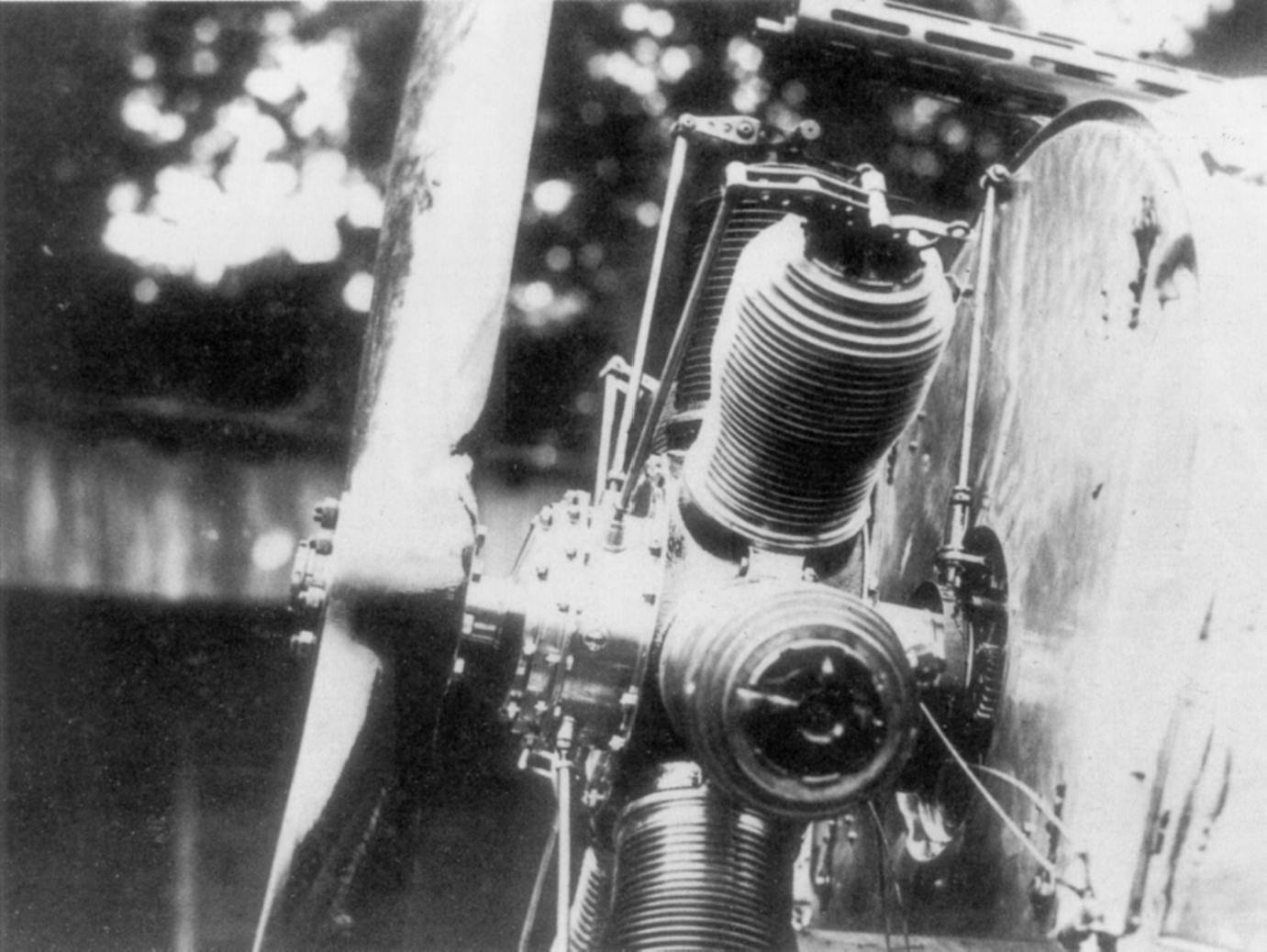
Production was carried out in Germany by Fokker Flugzeugwerke, a company founded by Anthony Fokker in 1912. While the exact number of E.III aircraft produced is disputed in historical literature—with estimates ranging from no more than 150 to approximately 480 units—the type became the most important member of the E-series. The aircraft was powered by an Oberursel U.I nine-cylinder rotary piston engine. Although specific horsepower figures are not documented in available records, the aircraft's maximum speed is estimated at approximately 87 mph.
Operational use began in mid-1915, primarily by the German Air Service (Luftstreitkräfte), though the type also served with the Austro-Hungarian Navy and army aviation units, such as Flik 8 and Flik 19. The E.III was flown by legendary early aces including Oswald Boelcke, who developed foundational air-to-air combat tactics, and Max Immelmann, who created the "Immelmann turn." This period of dominance, lasting from July 1915 to early 1916, became known as the "Fokker Scourge." To protect the secret of the synchronizer gear, German pilots were forbidden from flying the Eindecker across enemy lines.
By mid-1916, the E.III became obsolete as Allied forces introduced superior fighters like the British Airco DH.2 and the French Nieuport 11. While no original WWI-era airframes are confirmed to survive, the legacy of the E.III lives on through high-quality reproductions. Notable examples are held by the Museum of Flight in Seattle, the San Diego Air & Space Museum, and the Military Aviation Museum in Virginia Beach.