
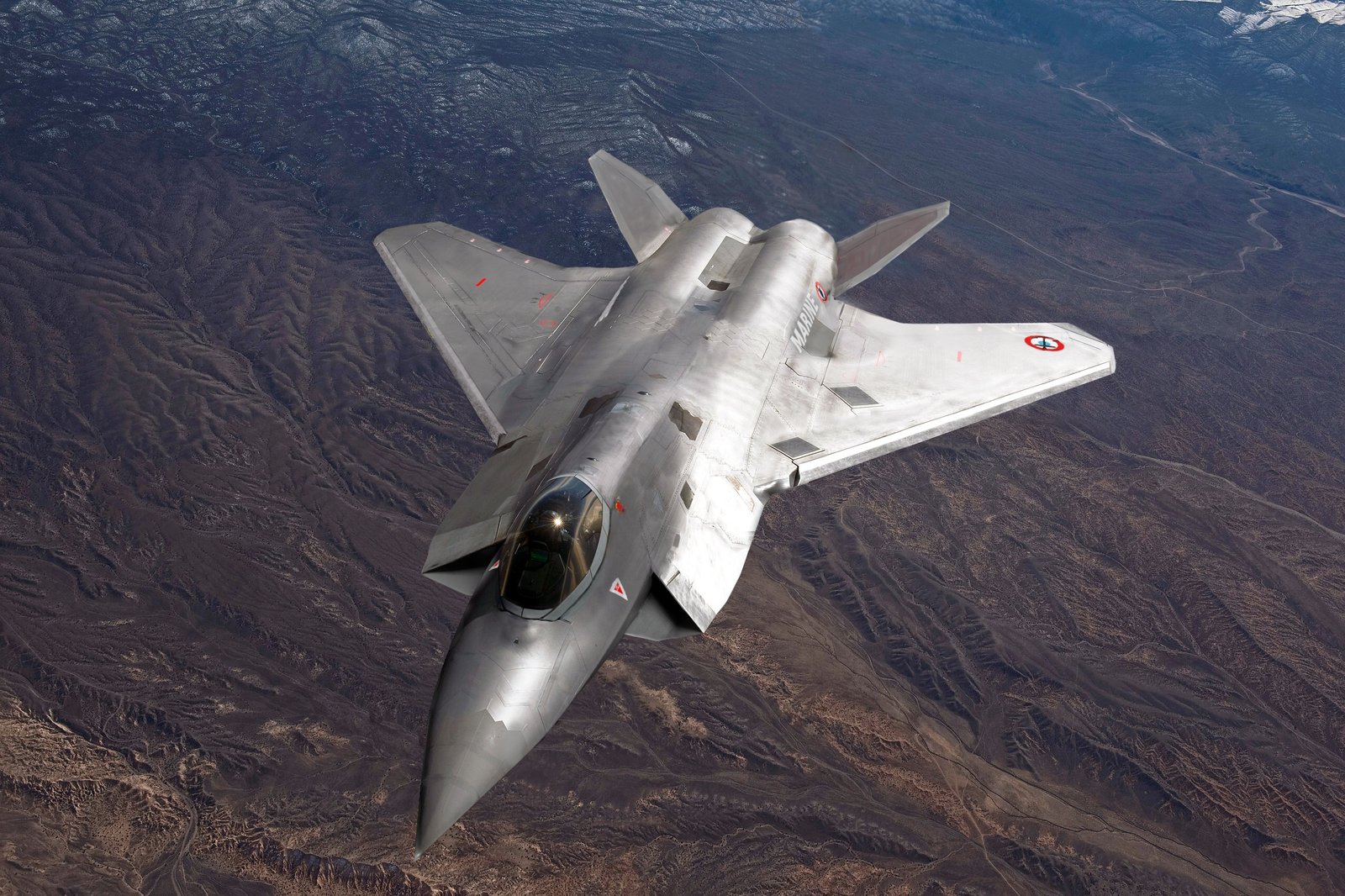
The Future Combat Air System (FCAS) represents a strategic European effort to develop a sixth-generation combat-air architecture. Rather than focusing on a single aircraft, the program is designed as a "system-of-systems," integrating a next-generation fighter with advanced sensors, networking capabilities, and weapons integration. The development is led by a multinational industrial partnership consisting of Dassault Aviation, Airbus, and Indra Sistemas, with additional contributions from Thales Group and MBDA.
Developmental milestones have been marked by significant contractual agreements. On December 15, a contract valued at approximately €8.0 million was awarded to a group including Dassault Aviation, Indra, Eumet, and Airbus Defence and Space (both the SAU and GmbH entities). This was followed by a more substantial award on December 16, 2022, from France's DGA for the Demonstrator Phase 1B. This contract, valued at €3.2 billion, was awarded to Dassault Aviation, Airbus, Indra, and Eumet, along with other industrial partners, and is intended to cover approximately 3.5 years of development work.
Propulsion for the system is being handled through a specialized partnership. Safran Aircraft Engines serves as the prime contractor for the next-generation fighter engine. MTU Aero Engines is the primary partner responsible for engine services and led the initial research-and-technology phase. These efforts are coordinated through the Eumet joint venture.
As the program remains in the demonstrator-development phase, there is no production history to report. No serial-production aircraft have been manufactured, and no first flight has occurred. Consequently, there are no operational military or civil operators, and the system has not seen service in any conflicts. The program's significance lies in its role as a foundational architecture for future European air combat, moving beyond traditional aircraft design to a fully integrated digital and physical combat ecosystem.