
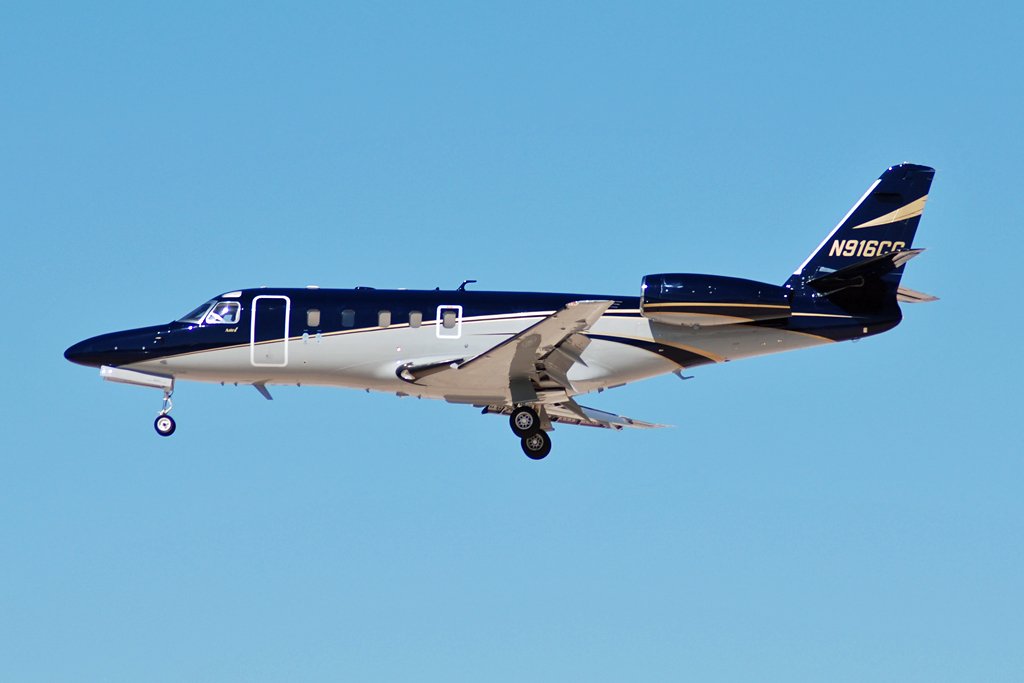
Corporate Transformation and Market Entry
The G100's story exemplifies the dynamic nature of aerospace industry consolidation in the early 2000s. When General Dynamics acquired Gulfstream Aerospace in 1999, the company sought to expand beyond its traditional large-cabin jets into the competitive midsize market. The solution came through Gulfstream's May 2001 purchase of Galaxy Aerospace Corp. from Israel Aerospace Industries, bringing with it the type certificate for the Astra series. By September 2002, Gulfstream had rebranded the Astra SPX as the G100, integrating it into their model lineup alongside the larger G-IV and G-V aircraft.
The Manufacturer's Heritage
Israel Aerospace Industries had developed the Astra lineage from its Model 1124 Westwind business jet during the late 1970s, with the first Astra prototype taking flight on March 19, 1984. The design team at IAI focused on creating a midsize business jet with superior aerodynamics, extended range capabilities, and upgraded avionics compared to its Westwind predecessor. The first production Astra flew on March 20, 1985, earning FAA certification on August 29, 1985, with deliveries commencing in 1986.
Gulfstream Aerospace itself traced its origins to the late 1950s when Grumman Aircraft Engineering Company developed the original Grumman Gulfstream I at Bethpage, New York. Production operations relocated to Savannah, Georgia on September 29, 1967, where Gulfstream continues operations today as a wholly-owned subsidiary of General Dynamics, having produced over 2,000 aircraft since 1958.
Engineering and Design Innovation
The G100 incorporated several advanced features that distinguished it from competitors in the midsize business jet category. IAI's engineers equipped the aircraft with winglets for improved aerodynamic efficiency and selected Honeywell TFE731-40R-200G turbofan engines for their superior power-to-weight ratio and reliability. The TFE731 series, in production since the 1970s across thousands of units and variants, featured digital FADEC engine controls that simplified pilot workload and enhanced operational efficiency.
The aircraft's cabin design prioritized passenger comfort with a generous 453-cubic-foot interior volume, accommodating 6 to 9 passengers depending on configuration. This spacious cabin gave the G100 a competitive advantage in passenger comfort compared to other midsize jets of its era.
Limited Production Run
Gulfstream's manufacturing approach for the G100 reflected the aircraft's specialized market position. Production remained at Israel Aerospace Industries facilities in Tel Aviv, with completed airframes transported to Gulfstream's Dallas, Texas facility for interior outfitting and final delivery preparation. This split manufacturing process allowed Gulfstream to leverage IAI's established production expertise while applying their premium interior standards.
Between 2001 and 2006, exactly 22 G100 aircraft rolled off the production line, making it one of the most exclusive business jets in Gulfstream's history. The limited production reflected both the aircraft's premium positioning and market timing challenges, as Gulfstream introduced the larger G150 in 2002, which offered greater range and cabin space for a relatively modest price increase.
Military Service
The United States Air Force adopted the G100 under the designation C-38 Courier for non-combat transport missions. Operating in a liaison and courier role, these aircraft provided high-speed executive transport capabilities without armament or combat systems. The military's use of the G100 demonstrated its reliability and performance characteristics in demanding operational environments.
Market Position and Legacy
The G100's brief production life reflected the intensely competitive nature of the midsize business jet market in the early 2000s. While the aircraft offered excellent performance and comfort, its introduction coincided with Gulfstream's development of the G150, which provided similar capabilities with greater range and a larger cabin. The G150's advantages effectively cannibalized potential G100 sales, leading to the earlier model's discontinuation after just five production years.
Approximately 22 G100 aircraft remain in active service today, primarily in private and charter operations. These survivors represent a unique chapter in Gulfstream's history, bridging the company's transition from purely American designs to incorporating proven international technologies through strategic acquisitions.
The G100's significance extends beyond its modest production numbers, representing Gulfstream's successful strategy of acquiring established aircraft programs to expand market coverage. This approach would influence future corporate decisions and demonstrated how aerospace companies could rapidly enter new market segments through targeted acquisitions rather than lengthy in-house development programs.