
Military Service Excellence
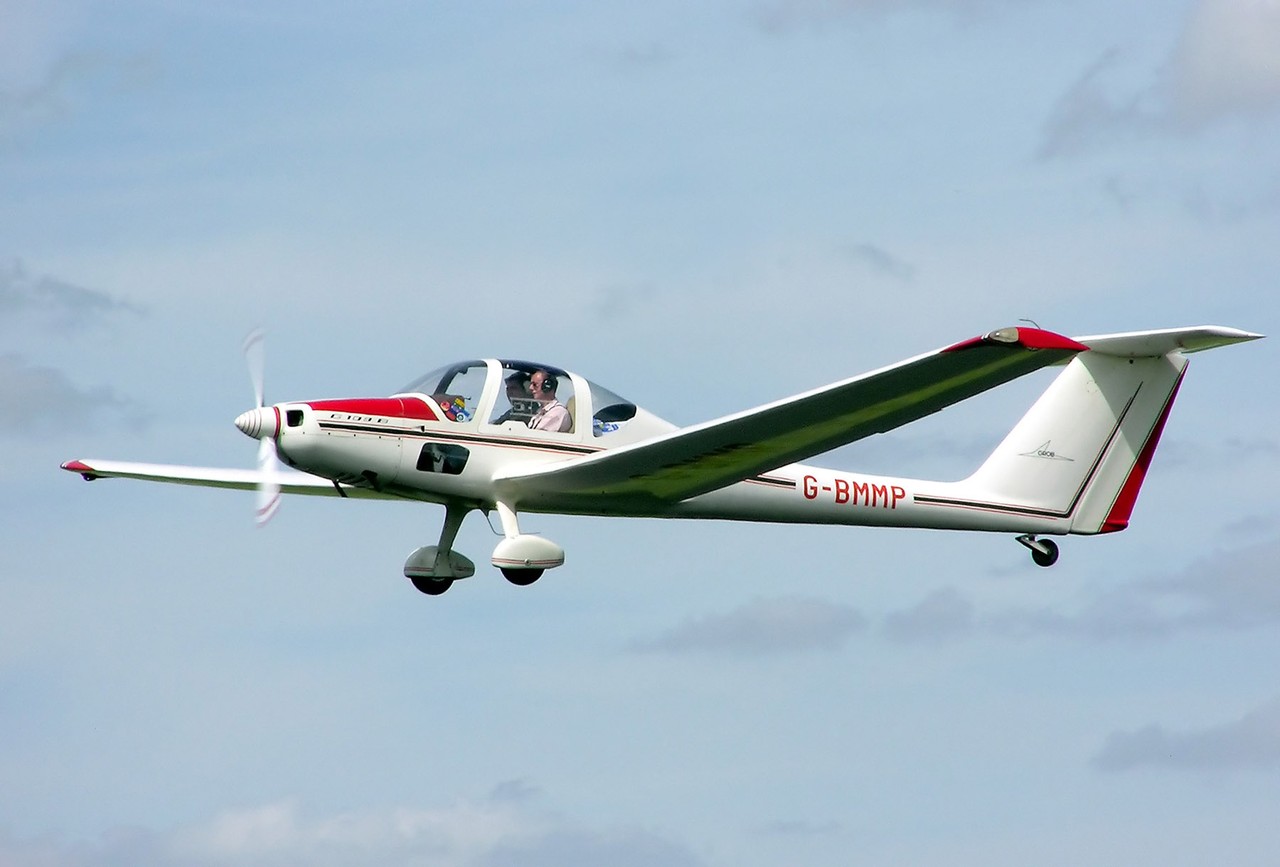
The Royal Air Force recognized the G 109B's training potential in 1991, acquiring over 50 examples designated as the Vigilant T Mk 1. These aircraft served with Volunteer Gliding Squadrons and RAF Central Gliding School for 27 years until retirement on May 5, 2018. The RAF used the Vigilant primarily for training air cadets in gliding induction and scholarship courses, taking advantage of its dual-role capability as both powered aircraft and pure glider.
Beyond British service, the G 109B found military applications with the Australian Air Force Cadets and Royal Thai Air Force, where it received the designation B.R.2. This international adoption demonstrated the aircraft's versatility in military training environments.
Grob's Evolution
Grob Aerospace originally built its reputation manufacturing Astir gliders before venturing into powered aircraft with the G 109 project in the late 1970s. The G 109B represented the company's successful transition from pure gliders to motor gliders, followed by the G 115 aerobatic monoplane in 1987.
The company underwent significant ownership changes throughout its history. In 2009, H3 Aerospace acquired Grob, rebranding it as Grob Aircraft AG. Most recently, in June 2025, German defense startup Helsing SE purchased Grob with ambitious plans to develop next-generation combat and reconnaissance aircraft integrated with artificial intelligence solutions. An earlier attempt to develop jet-powered aircraft in the early 2000s ended with the company's temporary insolvency.
Engineering Success Story
The G 109B emerged as a direct response to the serious shortcomings of its predecessor, the G 109A. Between 1982 and 1984, approximately 150 G 109A aircraft earned unflattering nicknames like "dirt-sniffer" and "ground-hugger" due to poor climb rates, engine overheating, and takeoff difficulties with their underpowered 80-horsepower Limbach L2000 engines.
Grob engineers addressed these issues comprehensively in the G 109B, which entered production in 1984. The most significant improvement was the installation of the Grob 2500 E1 engine, a four-cylinder, horizontally opposed, air-cooled powerplant developing 95 horsepower at 2,950 rpm. This engine, derived from a Porsche design with Grob modifications including increased bore for 2.5-liter capacity, proved remarkably reliable with many examples exceeding 4,000 operational hours.
Innovative Propeller System
The G 109B featured a sophisticated two-bladed, manually operated variable-pitch propeller system with three distinct settings. Pilots could select Fine pitch for takeoff and general flying, Coarse for efficient cruising, or Feathered position for gliding operations with the engine shut down. This flexibility allowed the aircraft to excel in both powered flight and pure gliding modes.
Composite Construction Pioneer
As the first composite-constructed motor glider to receive FAA certification, the G 109B established new standards for aircraft construction techniques. The composite airframe, built around an Eppler E 580 airfoil section, provided excellent aerodynamic efficiency while maintaining structural integrity. With an empty weight of 620 kilograms and maximum takeoff weight of 850 kilograms, the aircraft achieved its impressive 1:28 glide ratio.
Production Success
More than 300 G 109B aircraft rolled off the production line at Grob's Mindelheim Mattsies facility, doubling the production numbers of the problematic G 109A. This success validated Grob's engineering improvements and established the aircraft's reputation in both military and civilian markets.
Operational Characteristics
The G 109B's 100-liter fuel capacity provided substantial endurance for training missions and recreational flights. Its side-by-side seating configuration facilitated effective instruction, while the aircraft's docile handling characteristics made it suitable for ab-initio glider training. The combination of powered flight capability with exceptional gliding performance created a unique training platform that could introduce students to both disciplines seamlessly.
Legacy and Current Status
The G 109B's 27-year service with the RAF demonstrates the soundness of its design and construction. While military operators have largely retired their fleets, many civilian examples continue operating with gliding clubs and private owners worldwide. The aircraft's pioneering role in composite motor glider design influenced subsequent developments in the category, establishing design principles still used in modern motor gliders.