
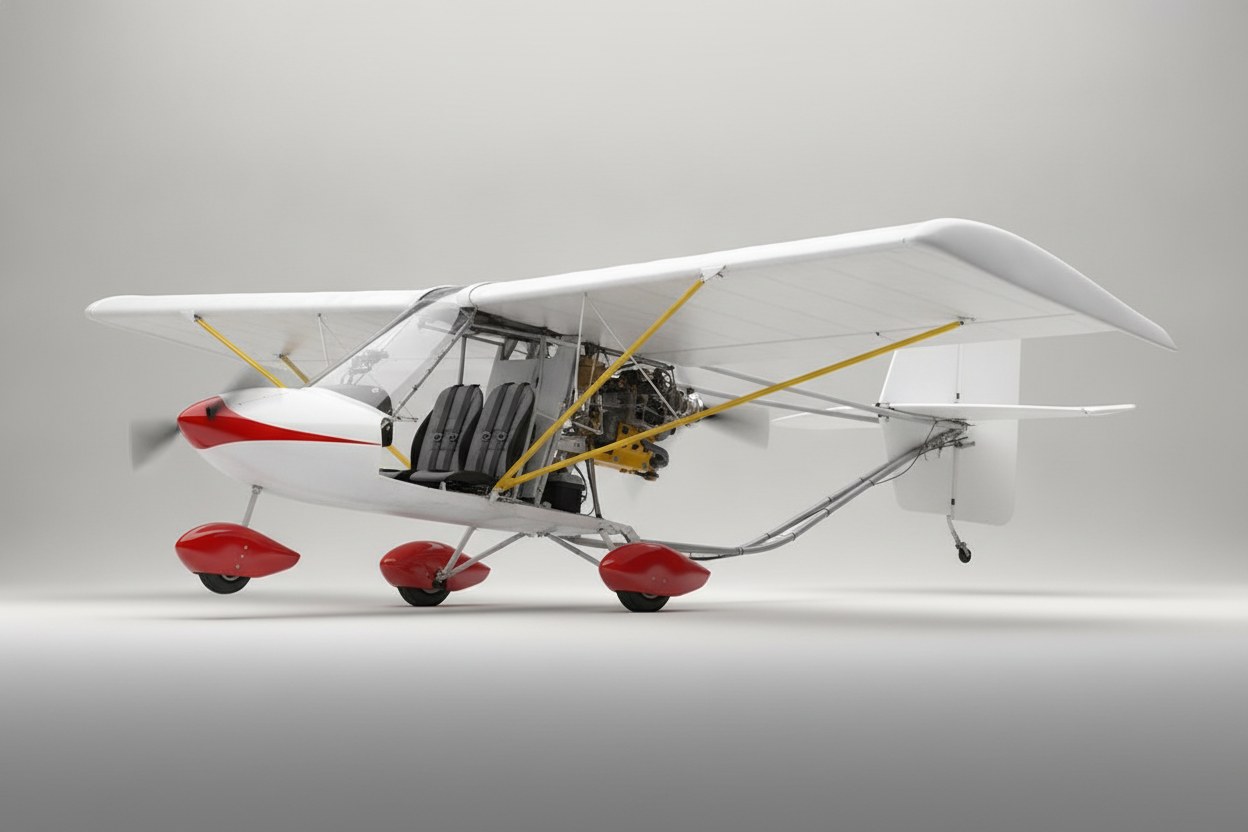
The Mystery of Aviation Records
The aircraft designation "Love Albert W GENISIS" with ICAO code GSIS presents a fascinating case study in aviation record-keeping and the challenges of aircraft identification. Comprehensive searches through established aviation databases, including official ICAO type certificate records, manufacturer production lists, and historical aviation compilations, yield no matching results for this specific combination of manufacturer name and model designation.
ICAO Code Analysis
The assigned code GSIS does not conform to standard ICAO aircraft type designation patterns used by international aviation authorities. Legitimate ICAO codes follow established formatting protocols developed by the International Civil Aviation Organization for aircraft type identification, and GSIS does not appear in any official registry of assigned codes. This discrepancy suggests either a data entry error, fictional designation, or reference to an aircraft that never achieved official certification status.
Potential Origins and Misidentifications
Several possibilities exist for the source of this designation confusion. The name "Love Albert W" bears no resemblance to established aircraft manufacturers in aviation history, including major producers like Boeing, Lockheed Martin, Airbus, or smaller general aviation companies. The model name "GENISIS" appears to be a variant spelling of "Genesis," though no production aircraft carries this designation in official records.
Research Methodology and Database Limitations
Aviation historians and researchers rely on multiple primary sources for aircraft verification, including manufacturer production records, government certification documents, military procurement files, and contemporary aviation publications. The absence of any reference to this specific aircraft designation across these diverse sources strongly indicates either non-existence or extremely limited documentation.
Historical Context of Aircraft Documentation
The aviation industry maintains meticulous records of aircraft types, particularly since the establishment of international aviation standards in the mid-20th century. Even experimental aircraft, prototype designs, and limited-production specialty aircraft typically leave documentary traces in technical reports, patent filings, or aviation trade publications. The complete absence of such documentation for the Love Albert W GENISIS is highly unusual in aviation history.
Implications for Aviation Research
This case highlights the importance of source verification in aviation documentation and the challenges researchers face when encountering potentially erroneous or fictional aircraft designations. It underscores the need for cross-referencing multiple authoritative sources when investigating aircraft histories and the value of established databases maintained by aviation authorities and historical organizations.
Conclusion
Without verifiable documentation, production records, or historical evidence, the Love Albert W GENISIS must be classified as either a fictional aircraft designation or a significantly corrupted reference to an existing aircraft type. Future research might benefit from clarification of the intended aircraft designation or additional contextual information about the source of this particular aircraft identification.