
Service History
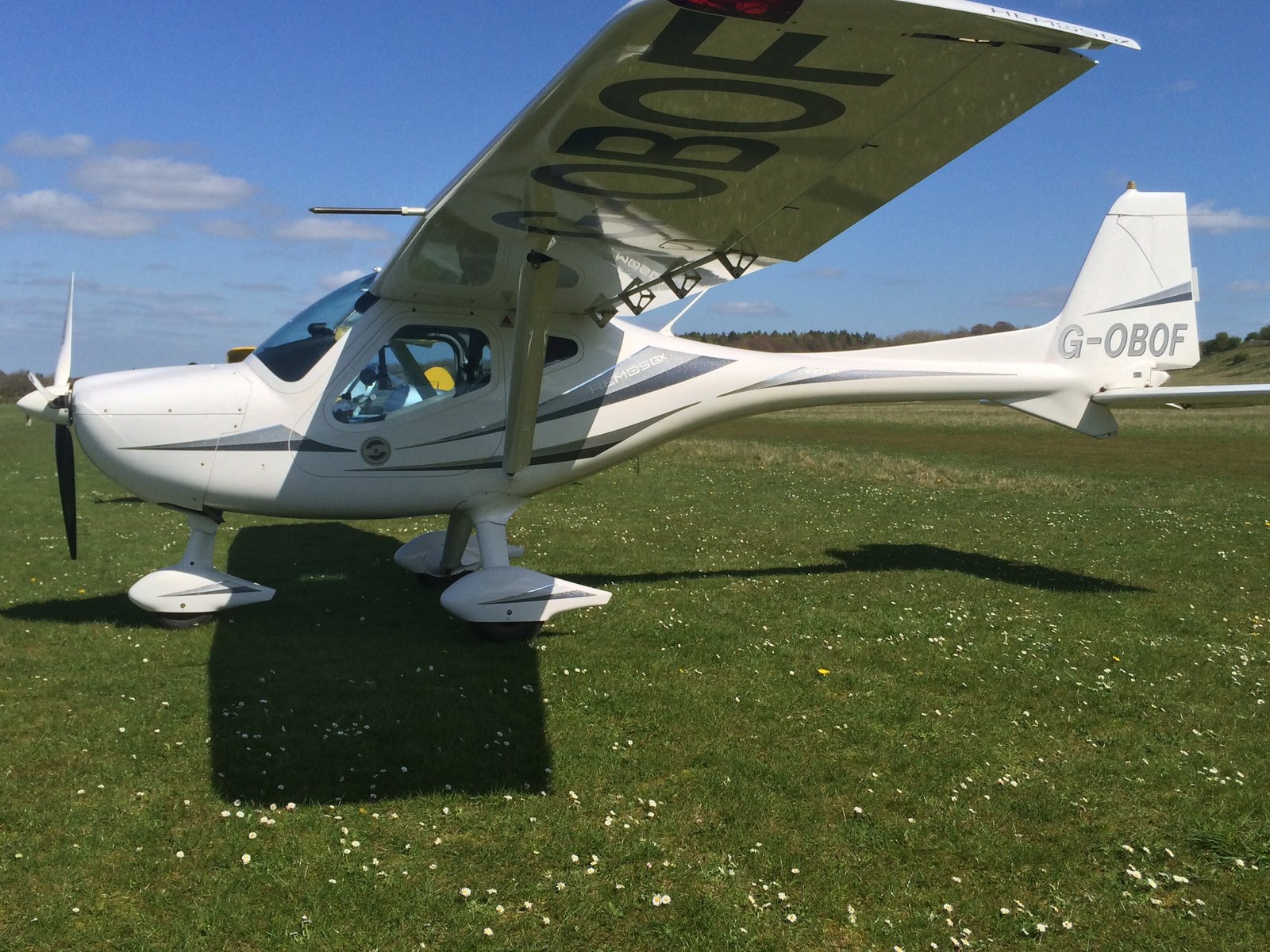
The Remos GX carved out a significant niche in the light sport aviation market following the 2004 LSA regulations in the United States. By 2011, approximately 150 GX aircraft had been delivered worldwide, with roughly half operating in the United States. The aircraft serves primarily private pilots and flight training schools, offering an accessible entry point into modern aviation with its combination of performance and transportability. The GX family expanded to include multiple variants: the GXNXT, the GXnXES introduced in 2011, and the fuel-injected GXiS model launched in 2016.
The Manufacturer
REMOS AG emerged from humble beginnings in the early 1990s as an ultralight aircraft manufacturer, formally establishing operations in 1994. The company initially operated from a farm north of Munich, producing between 10 and 20 aircraft annually during the late 1990s and early 2000s. In 2006, REMOS relocated to a state-of-the-art manufacturing facility in Pasewalk, Mecklenburg-Western Pomerania, Germany, marking a significant expansion of their production capabilities.
The company achieved a major milestone in 2006 when their G-3 Mirage received certification as a U.S. Light Sport Aircraft, opening American markets to their designs. REMOS continues operations today under the name REMOS AG, maintaining production of the GX series alongside their other aircraft models. The company's evolution from shed-based assembly to modern factory production exemplifies the growth of the European light aircraft industry.
Engine & Technical Innovation
The GX is powered by Austria's BRP-Rotax GmbH engines, primarily the four-cylinder, four-stroke Rotax 912 ULS producing 100 horsepower. The engine features dual capacitor discharge ignition with RFI suppression, twin Bing constant depression carburetors, and an integrated 2.43:1 reduction gearbox with slipper clutch. Operating on either 91-octane automotive fuel or 100LL aviation gasoline, the powerplant consumes 3.5 gallons per hour at 4,200 rpm.
The aircraft incorporates several design innovations that distinguish it from earlier ultralight designs. The GX features monocoque carbon fiber composite construction throughout, representing a significant advancement over traditional tube-and-fabric construction methods. The wing design utilizes a new airfoil optimized for improved roll rate and enhanced turbulence penetration. From the 2009 model year forward, REMOS introduced chromoly steel tube landing gear, retrofittable to earlier aircraft.
Performance and Handling
The GX delivers impressive performance figures for its category, with a maximum climb rate of 1,280 feet per minute and a glide ratio of 10:1. The aircraft achieves a range of 550 statute miles with an endurance of 6.5 hours at cruise power settings. These capabilities make it suitable for both local training flights and cross-country touring.
One of the GX's most practical features is its folding wing system, allowing the aircraft to be trailered behind a vehicle for transport and storage. This transportability opens aviation access to pilots without permanent hangar facilities. The cockpit accommodates pilot and passenger with luxury appointments including leather interiors and four-point harnesses, elevating the flying experience beyond typical ultralight standards.
Production and Legacy
REMOS achieved steady production success, with over 300 total aircraft across all variants sold by early 2009. The GX specifically contributed approximately 150 units to this total by 2011, with production continuing through the present day. The aircraft's gross weight varies from 1,042 to 1,323 pounds depending on configuration, with the GX eLite variant achieving an empty weight of just 631 pounds.
The GX family established REMOS as a significant player in the post-2004 LSA market boom, competing successfully against both American and European manufacturers. The aircraft's combination of modern composite construction, practical folding wings, and reliable Rotax powerplants created a template that influenced subsequent light sport aircraft designs. While exact numbers of airworthy aircraft remain undocumented, ongoing production and the aircraft's relatively recent introduction suggest that most examples remain in active service.
The GX represents the maturation of ultralight aircraft design, transitioning from basic recreational machines to sophisticated aircraft capable of serious cross-country flight while maintaining the simplicity and economy that defines the light sport category.