
Development and Innovation
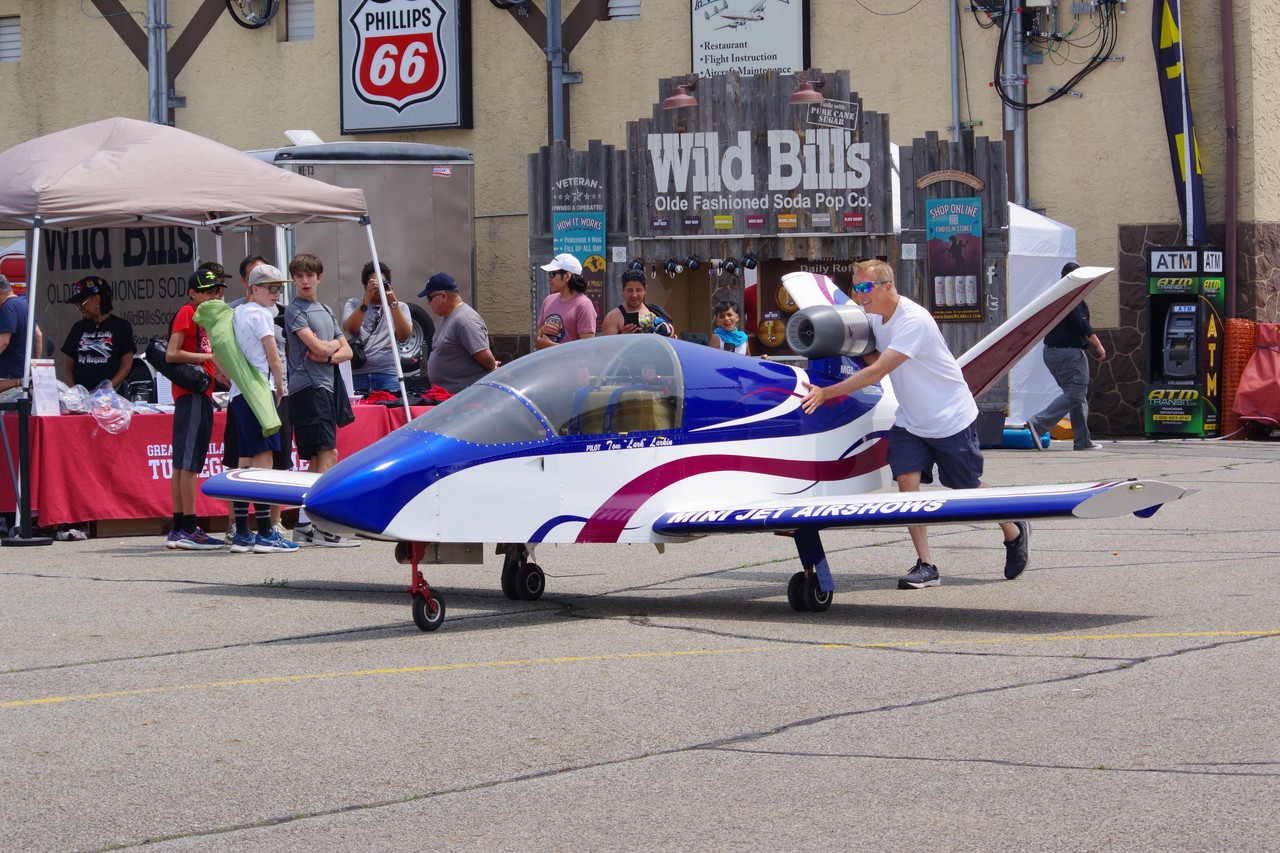
John Monnett's design philosophy centered on democratizing jet aviation by creating a very light jet that cost roughly equivalent to a factory-built Light Sport Aircraft. The SubSonex program began in earnest at AirVenture 2009 with the introduction of the JSX-1 prototype. This initial aircraft featured an unconventional landing gear arrangement with a mono pod wheel, tail wheel, and wing tip outriggers, but encountered directional control problems during taxi tests that prevented flight testing.
The first engine runs commenced in December 2009, followed by extensive ground testing. Professional jet-sailplane pilot Bob Carlton conducted the JSX-1's flight evaluation in August 2011, providing crucial feedback that influenced the JSX-2's redesign. Carlton's expertise in unconventional aircraft proved invaluable in refining the SubSonex's flight characteristics.
The Production JSX-2
Sonex addressed the JSX-1's limitations with a comprehensive redesign culminating in the JSX-2. The production variant incorporated fully retractable tricycle landing gear, a wider fuselage for improved pilot accommodation, and a streamlined nose profile. Most significantly, Sonex integrated a Ballistic Recovery Systems parachute for emergency situations, acknowledging the unique safety considerations of single-engine jet flight.
Bob Carlton piloted the JSX-2's maiden flight on July 10, 2014, from Wittman Field in Oshkosh. This successful flight validated the design improvements and cleared the path for production. At AirVenture 2013, Sonex had already begun accepting $10,000 deposits for production kits priced initially at $125,000, later increased to $135,000 by 2014.
Engine Technology
The heart of the SubSonex is the PBS TJ-100 turbojet, manufactured by PBS Velká Bíteš in the Czech Republic. This compact powerplant produces approximately 250 pounds of static thrust and represents the new generation of miniature turbojets that made personal jet aircraft economically viable. The engine mounts above the aft fuselage in a distinctive installation that exhausts between the aircraft's characteristic Y-tail configuration, borrowed from Sonex's Waiex design.
The TJ-100 comes complete with throttle controls, comprehensive engine monitoring instruments, and pre-wired harnesses, simplifying installation for homebuilders. This turnkey approach reflected Sonex's commitment to making jet propulsion accessible to experimental aircraft builders without requiring specialized turbine experience.
Production and Customer Delivery
Redge Greenberg of Durango, Colorado, became the SubSonex's launch customer when he received the first production kit in February 2015. His aircraft exemplified the program's success when it achieved first flight in October 2015, demonstrating that customer-built SubSonex aircraft could match factory performance standards. By that date, six additional customer kits were under construction, indicating growing market acceptance.
Production remained limited but steady, with 17 examples registered with the Federal Aviation Administration by January 2022. This modest production reflects both the specialized nature of jet aircraft building and the substantial financial commitment required from builders.
Performance and Capabilities
The JSX-2 delivers impressive performance for its size and cost. With a maximum speed of 265 mph and cruise speed exceeding 240 mph, it rivals much larger and more expensive aircraft. The 1,600 feet-per-minute initial climb rate provides excellent performance for a 250-pound thrust engine, while the 480-mile range with reserves makes it suitable for regional travel.
Operational characteristics include a 64 mph stall speed and 157 mph maneuvering speed, providing a reasonable flight envelope for pilot training and normal operations. The pneumatically-operated retractable landing gear system includes a steerable nose wheel and hydraulic brakes, offering conventional handling during ground operations.
Military Applications
In August 2024, the SubSonex found an unexpected military role when the Michigan Air National Guard employed two JSX-2 aircraft during Exercise Northern Strike. Supplied by contractor KestrelX, these aircraft served as "cruise missile threat replication aircraft" and unmanned targets, demonstrating the design's versatility beyond personal transportation. This application highlighted the SubSonex's value in providing realistic, low-cost aerial targets for military training exercises.
Future Development
Sonex announced the JSX-2T two-seat variant in July 2019, responding to market demand for training and passenger-carrying capability. This side-by-side configuration utilizes the standard PBS TJ-100 engine or optional TJ-150 powerplant, projecting cruise speeds exceeding 174 knots despite the increased gross weight. The JSX-2T's 970-pound useful load accommodates two occupants while maintaining reasonable performance margins.
Legacy and Impact
The SubSonex established Sonex Aircraft as a pioneer in personal jet aviation, proving that turbine power could be successfully adapted to the experimental aircraft market. John Monnett's vision of affordable jet flight has influenced other manufacturers to explore similar concepts, expanding possibilities for homebuilders beyond traditional piston-powered designs. The program continues in active production, representing one of the few successful transitions from concept to certified kit aircraft in the challenging realm of personal jets.