
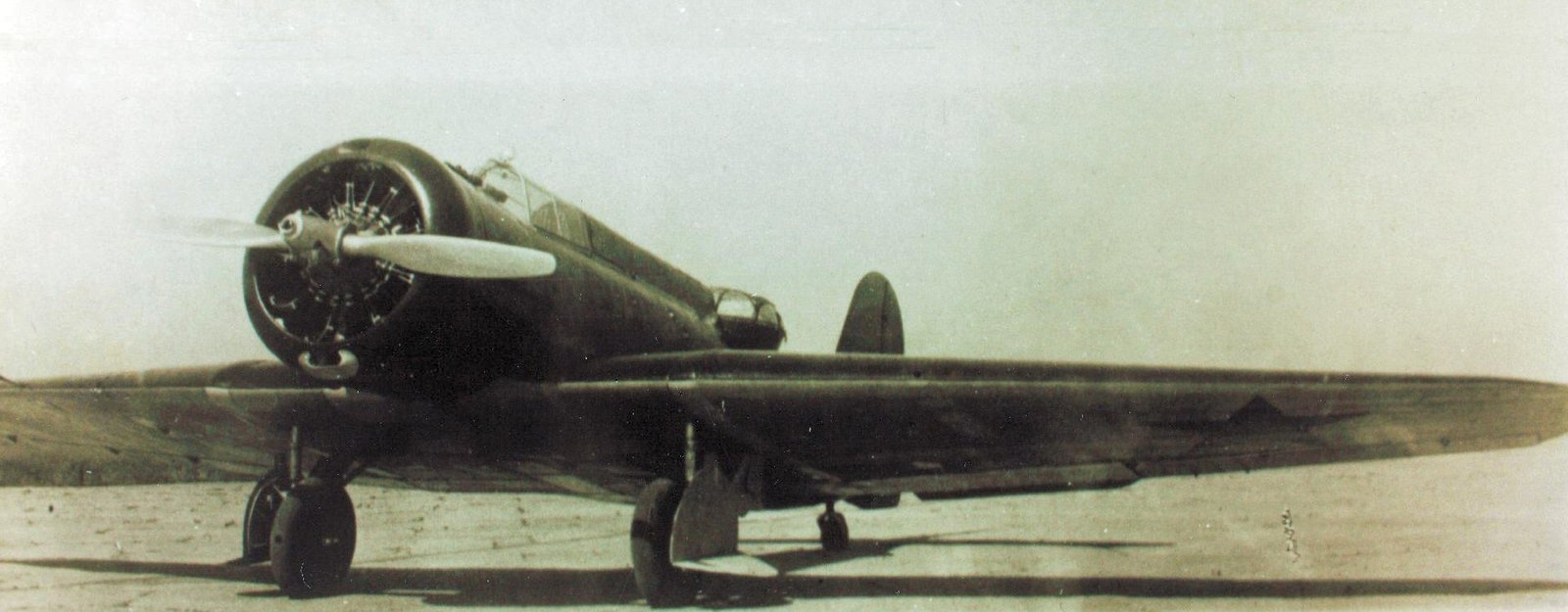
Design and Development
The Kharkiv KhAI-5 was developed by the Kharkiv Aviation Institute (KhAI), an institution founded in 1930 in Kharkiv, USSR. The aircraft emerged as a modification of the earlier KhAI-1 high-speed aircraft, which had completed its first flight on October 8, 1932. The development of the KhAI-5 took place between 1936 and 1938, focusing on creating a versatile platform for reconnaissance and light bombing. While the specific chief designer of the KhAI-5 is not explicitly recorded in available institutional sources, the project was a cornerstone of KhAI's broader effort to pioneer advanced aerodynamics and retractable undercarriage technology within the Soviet aviation industry during the 1930s.
Production and Manufacturing
Production of the KhAI-5 was carried out at the Kharkiv aircraft plant, an entity that evolved from aircraft repair facilities established in 1923. The plant was formally organized as a manufacturing facility on September 17, 1926, and was later designated as Aircraft Production Plant No. 135 (also known as Kharkiv Airframe Plant 135). According to official historical records from the Kharkiv Aviation Institute, a total of 490 aircraft within the KhAI-5 / R-10 family were constructed. This series production occurred during the late 1930s and continued into the early years of the Second World War. The manufacturing organization continues to exist today in independent Ukraine as the Kharkiv State Aircraft Manufacturing Company (KhAZ).
Military Service and Legacy
In active service, the bomber variant of the aircraft was designated as the R-10. It was utilized by Soviet forces as both a light bomber and a reconnaissance aircraft, remaining in active operation through the Eastern Front of World War II until 1943. The aircraft's operational history reflects a successful collaboration between academic research and industrial production, as the Kharkiv Aviation Institute's design work translated directly into front-line combat utility. The KhAI-5 remains a primary example of the institute's contribution to the modernization of the Soviet air fleet, specifically regarding the transition to high-speed monoplane designs.