
Service History
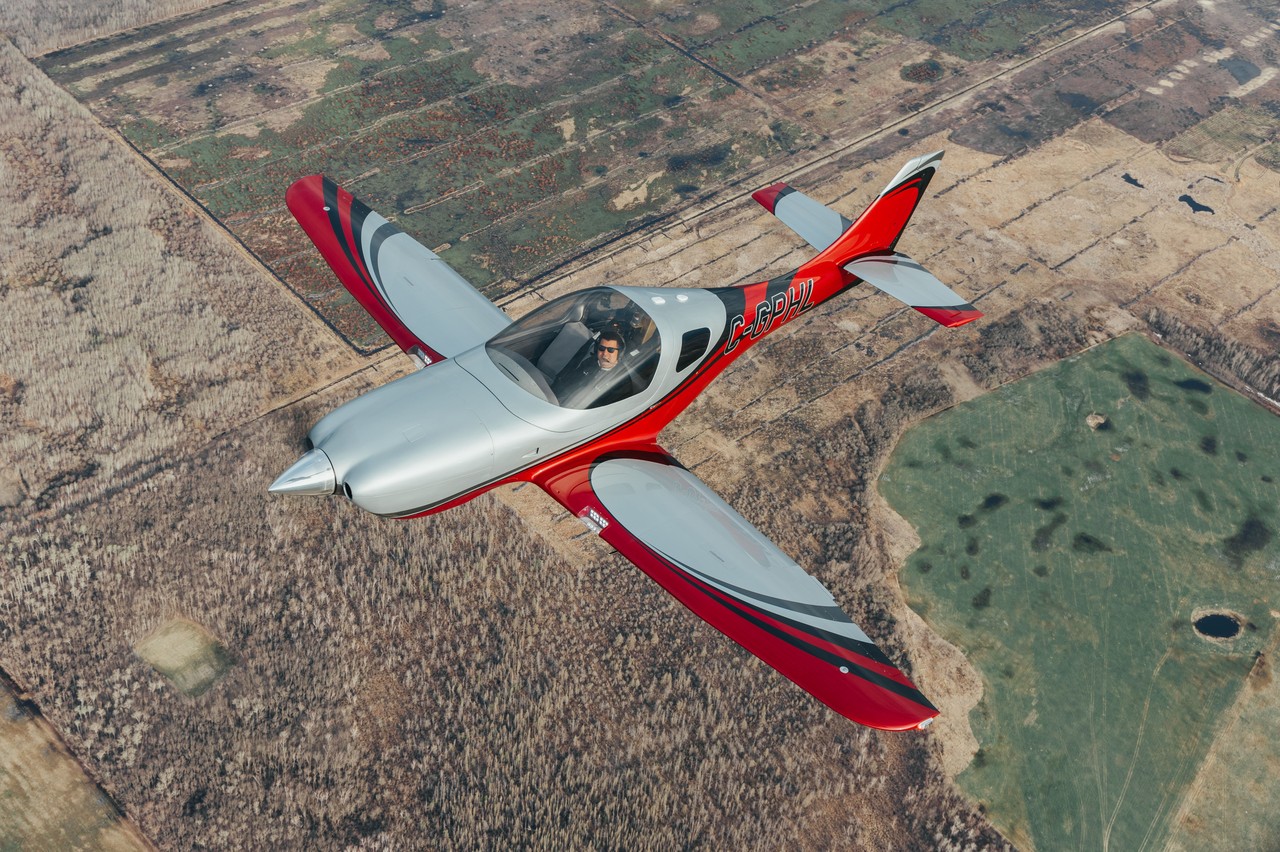
The Lancair Legacy dominated the high-performance homebuilt market by delivering unprecedented speed and efficiency in the experimental aircraft category. With cruise speeds of 276 mph at 8,000 feet and fuel consumption rates that provided exceptional range, the Legacy established new benchmarks for what amateur-built aircraft could achieve. The type found particular favor among pilots seeking cross-country touring capability, with several examples participating in sport and super sport air racing through variants like the RG-550/R.
Documented examples flying in Australasia alone numbered at least four aircraft by 2012, including VH-XTZ (construction number L2K-323), VH-ALP (L2K-142), VH-VIW (L2K-242), and VH-ZYA (L2K-205). These registrations represented completions spanning from 2010 to 2012, demonstrating the international appeal of the design.
The Manufacturer
Lancair International traces its origins to 1984 when Lance Neibauer, a former graphic designer, developed the Lancair 200 prototype that would evolve into the Legacy lineage. Neibauer premiered his revolutionary design at the Oshkosh airshow in 1985 after quitting his job to pursue aircraft manufacturing full-time. The original prototype now resides in the EAA Museum in Oshkosh, Wisconsin, representing the foundation of modern high-performance homebuilts.
Operating initially as Neico Aviation before becoming Lancair International, the company changed hands in February 2003 when founder Neibauer sold to Joseph Bartels. Under Bartels' leadership, Lancair continued developing the Legacy while simultaneously advancing the turboprop Evolution series. The company eventually sold Legacy assets to focus resources on the Evolution program, though Lancair International continues operations today from its Texas headquarters.
Engine & Technical Details
The Legacy's standard powerplant was the Continental IO-550-N, a six-cylinder horizontally-opposed air-cooled engine producing 310 horsepower. This engine selection represented collaboration between Lancair, Continental, Hartzell propellers, and MT-Propellers to optimize the powerplant installation. Alternative engine options included the Lycoming IO-360 series (160-210 horsepower) and the IO-390X producing 210 horsepower in the FG-390 variant. Racing-oriented builders could specify the turbocharged TSIO-550 in the RG-550/R configuration.
The aircraft incorporated several design innovations developed over Lancair's decade-plus research program. The 25-foot 6-inch wingspan featured no washout to maintain laminar flow over more than 50 percent of the wing surface. The spacious cabin measured 43.5 inches wide by 44.5 inches high, providing comfortable side-by-side seating for two occupants. Composite construction enabled the removable wing design that allowed road trailering.
Pilot Perspective
Pilots praised the Legacy for combining docile handling characteristics with exceptional performance figures. The aircraft achieved climb rates between 2,200 and 2,700 feet per minute while maintaining economical operation even with its substantial power output. Design objectives specifically emphasized cross-country comfort for two adults alongside elegant styling and efficient high-speed cruise capability.
Operational performance included a maximum cruise speed of 276 mph at 8,000 feet, with a service ceiling of 18,000 feet and stall speed of 67 mph. Takeoff runs averaged 800 to 850 feet, while landing distance required approximately 900 feet. The 65-gallon fuel capacity provided range between 1,150 and 1,200 nautical miles with reserves, making the Legacy suitable for serious cross-country travel.
Production & Legacy
While exact production totals remain undocumented, Legacy kits were actively manufactured and marketed through at least 2016, with multiple variants including the RG-550, FG-C550, FG-390, and racing-optimized RG-550/R reaching completion. The aircraft was offered through Lancair's Fastbuild kit program, which provided pre-assembled major components to simplify construction for amateur builders.
The Legacy succeeded by revolutionizing expectations for homebuilt aircraft performance, proving that properly designed composite construction could deliver speeds previously reserved for certified manufactured aircraft. This achievement influenced subsequent developments including Lancair's Evolution turboprop, which achieved cruise speeds exceeding 385 mph. The Legacy lineage established composite fast-touring aircraft as a distinct category within experimental aviation, with active examples continuing to fly worldwide today under the LEG2 ICAO designation.