
Design and Development
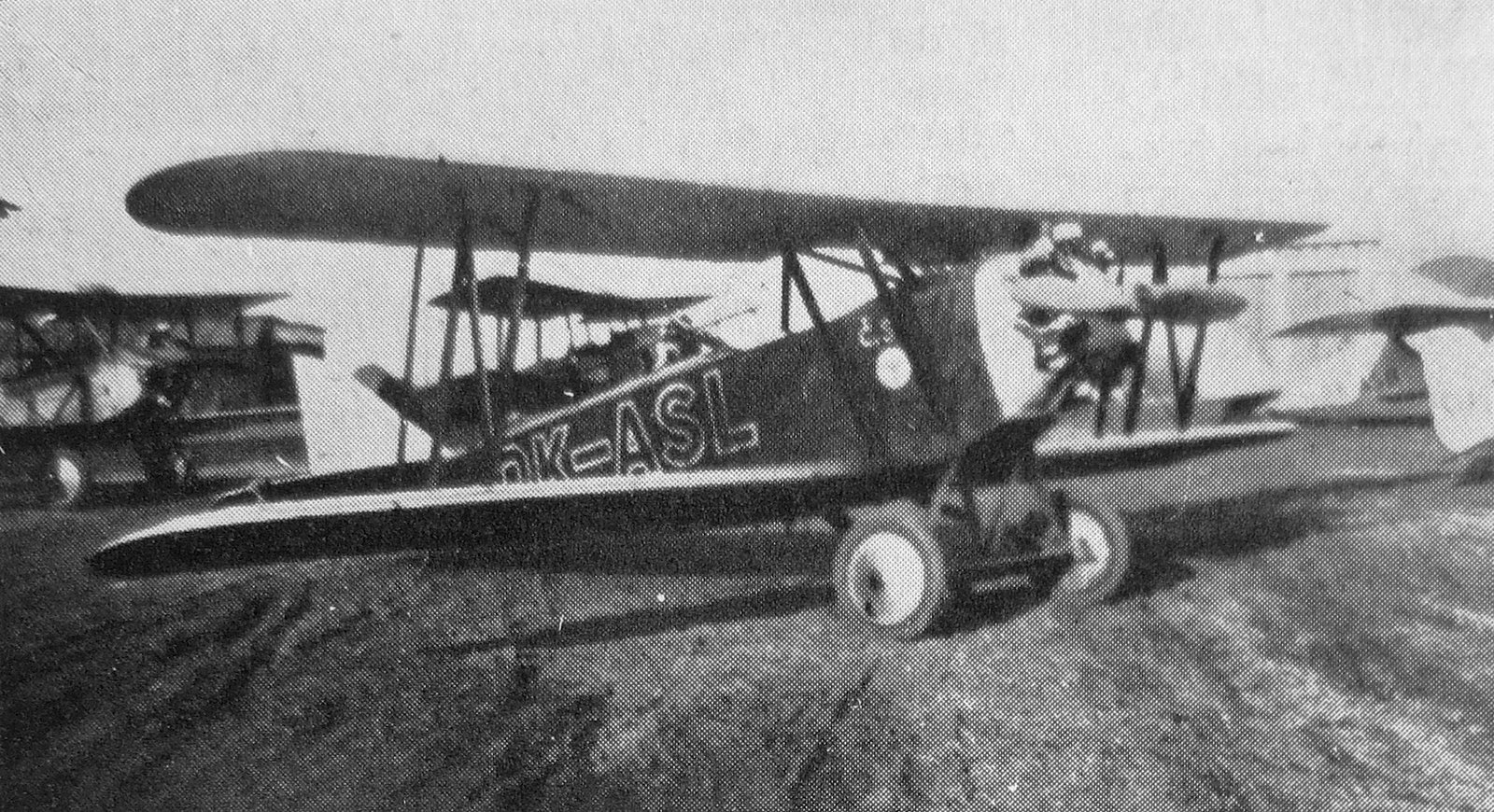
The Letov Š-10 was a Czechoslovak two-seat biplane trainer developed during the 1920s. Rather than being an original domestic design, the Š-10 was produced as a licensed copy of the German Hansa-Brandenburg B.I. The aircraft was manufactured by the Czechoslovak company Letov Kbely. While the specific designer of the Š-10 is not recorded in the available documentation, the aircraft's lineage is rooted in the prewar German training philosophy.
Technical Specifications and Performance
Designed for stability and safety, the Š-10 featured a wingspan of 12.30 meters and a total length of 8.40 meters. Its wing area measured 36.52 m², contributing to its reputation for being easy to pilot. The aircraft had an empty weight of 668 kg and a maximum takeoff weight of 966 kg. In terms of performance, the Š-10 reached a maximum speed of 130 km/h, while maintaining a cruising speed of 90 km/h. It possessed a range of 400 km and was capable of climbing to an altitude of 1,000 meters in 9 minutes and 30 seconds. The crew consisted of two personnel: an instructor and a student.
Service History
The Š-10 served as a primary basic pilot training aircraft for the Czechoslovak Air Force. In this capacity, it operated alongside the Aero Ae-10. Although highly regarded for its flight safety and stability, these very traits meant the Š-10 did not adequately prepare students for the more demanding characteristics of combat aircraft. Consequently, the fleet was soon supplemented by the more modern Š-18. The Š-10 remained in military service until the early 1930s, when it was eventually replaced by the Praga E-39.
Following its withdrawal from military service, several Š-10 aircraft transitioned to civil use. They were acquired by various aeroclubs and organizations associated with the Masaryk Aviation League (MLL). One notable example was the Š-10.1, named "Zdena," which operated at the MLL branch in Nymburk until November 1936.
Legacy
The Letov Š-10 represents a key era in the development of Czechoslovak military aviation, illustrating the transition from licensed foreign designs to domestic production in the 1920s. While production totals and first-flight dates remain unverified, its role in shaping the early Czechoslovak pilot corps is well-documented.