
Development Challenges
The LS9 project exemplified the complexities of motorglider development during the 1990s. While the prototype achieved first flight in 1995, production delays plagued the program for five years. The primary obstacle emerged when Rotax discontinued the originally specified 535 two-stroke engine, forcing Rolladen-Schneider engineers to halt development while sourcing an alternative powerplant. This setback proved costly for a company already operating in a niche market segment.
When production finally commenced in 2000, the aircraft featured the Solo 2625 engine, a 41-kilowatt unit driving a Technoflug two-blade propeller through a belt transmission system. The engine installation, developed in partnership with Walter Binder Motorenbau GmbH, achieved nearly complete parts commonality with the Schempp-Hirth Ventus CM, reducing development costs and maintenance complexity.
Engineering Innovation
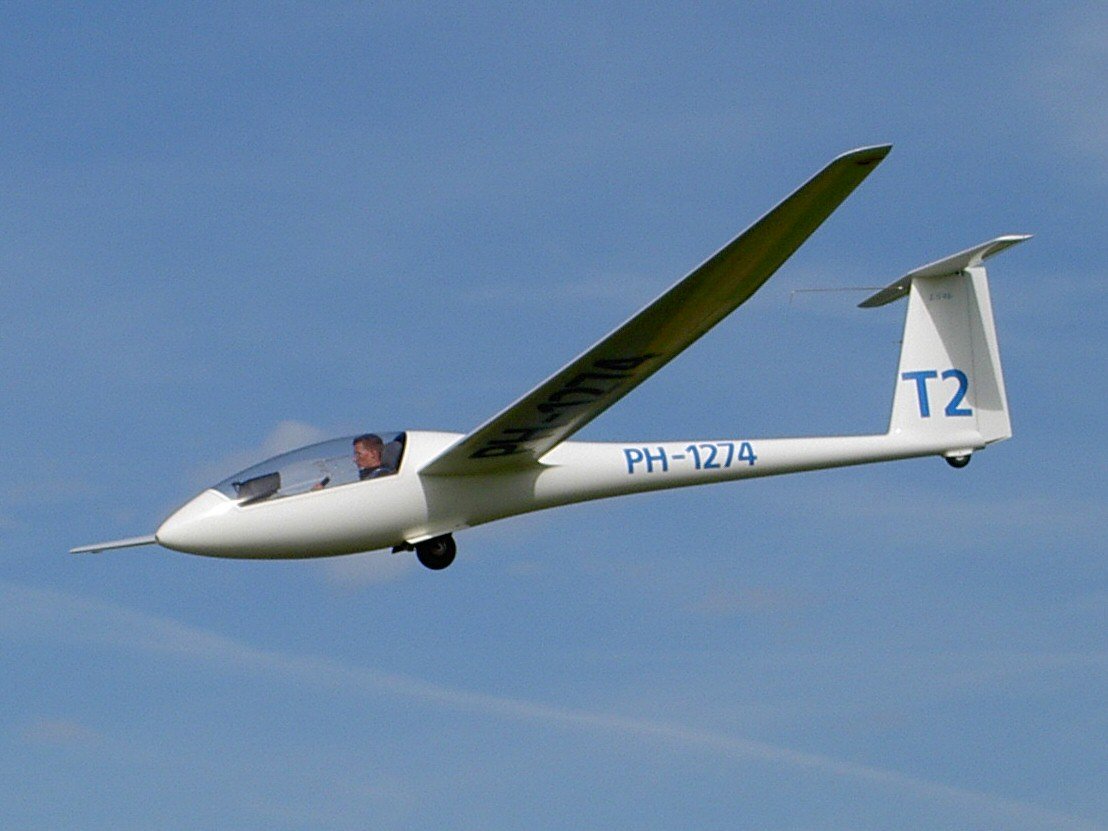
The LS9 demonstrated sophisticated engineering in adapting proven sailplane components for motorglider use. Rolladen-Schneider utilized wings derived from their successful LS6-18w, reinforcing the spars and leading edges to handle the additional stresses of powered flight. The fuselage represented a complete redesign, broadening the LS4's tail boom to accommodate the engine installation while maintaining aerodynamic efficiency.
The retractable propeller system showcased particular ingenuity. An electric screw jack deployed a carbon composite propeller mast from the fuselage crown, allowing the engine to operate in pusher configuration. When retracted, the installation created minimal drag penalty during soaring flight. The exhaust system folded automatically during retraction, while electric pumps handled fuel delivery and coolant circulation.
A notable detail involved the steerable tailwheel, measuring 210 millimeters by 65 millimeters and integrated directly into the rudder beneath the hinge axis. This arrangement simplified ground handling while maintaining the clean lines essential to high-performance sailplane design.
The Manufacturer's Final Chapter
Rolladen-Schneider Flugzeugbau represented one of Germany's most successful postwar sailplane manufacturers before the LS9 marked their final original design. Founded by brothers Willi and Walter Schneider in 1967, the company had transitioned from manufacturing rolling doors and shutters to become a respected name in competitive soaring. Walter Schneider, himself an accomplished glider pilot, recruited designer Wolf Lemke to develop what became a series of influential designs.
The company's sailplanes dominated various competition classes throughout the 1970s and 1980s. The LS4 became ubiquitous in Standard Class competition, while the LS6 established new performance benchmarks in the 15-meter category. However, the increasingly competitive sailplane market and high development costs of the LS9 project strained company finances.
Rolladen-Schneider entered receivership in 2001, ending 34 years of aircraft production at their Egelsbach facility near Frankfurt. DG Flugzeugbau acquired the company's assets in 2003, continuing production of select designs including the LS8 and LS10, while transferring others to AMS Flight in Slovenia.
Performance and Pilot Experience
Pilots found the LS9 delivered exceptional soaring performance once airborne, with its glide ratio exceeding 47:1 matching the best pure sailplanes of its era. The minimum sink rate of 0.58 meters per second enabled extended flight in weak thermal conditions. During powered flight, the aircraft achieved a climb rate of 4.0 meters per second, sufficient for rapid altitude gain to soaring levels.
The engine provided a practical range of 550 kilometers at a maximum speed of 270 kilometers per hour, enabling cross-country flights between soaring sites without ground support. Pilots appreciated the independence from tow planes or winch operations, particularly valuable at airports with limited soaring infrastructure.
The cockpit incorporated safety glass and carbon fiber construction with modern instrumentation including a stall warning system active during powered operations. The aircraft's empty weight of 350 kilograms rose to 525 kilograms maximum gross weight, requiring careful attention to weight and balance calculations.
Limited Legacy
With only 10 examples completed, the LS9 remains among the rarest motorgliders ever produced. The aircraft's limited numbers resulted from Rolladen-Schneider's financial difficulties rather than performance deficiencies. Those fortunate enough to acquire an LS9 gained access to sailplane-level soaring performance combined with practical self-launch capability.
The LS9 project highlighted the economic challenges facing specialized aircraft manufacturers during the late 20th century. Development costs for low-volume, high-technology aircraft often exceeded realistic market returns, particularly when technical setbacks extended timelines. Despite its innovative design and impressive performance, the LS9 arrived too late to sustain its manufacturer's survival in an increasingly consolidated industry.