
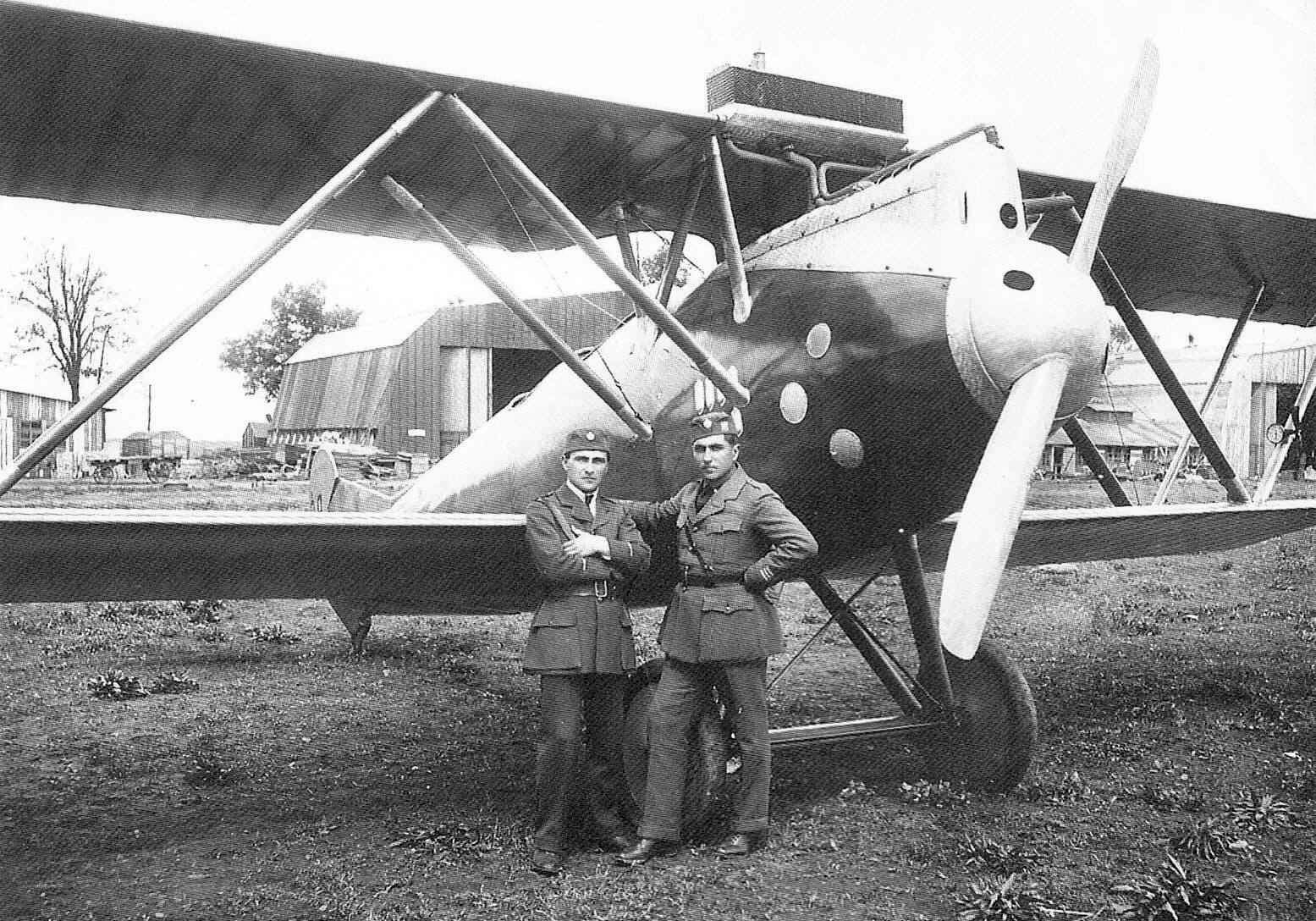
The Letov Š-5 exists primarily as a designation within modern aviation databases, such as those utilizing the ICAO type code LTVE, rather than as a documented historical aircraft. Extensive reviews of Czechoslovak aviation records, including specialist designation lists for Letov Military Aircraft Works (Letov Kbely) spanning 1920 to 1945, reveal no entry for a model designated as the Š-5. While the manufacturer produced a wide array of aircraft in the Š-series, the sequence was not continuous, leaving gaps where certain numbers were never assigned or remained as unbuilt projects.
Letov Kbely was established shortly after the creation of Czechoslovakia in 1918 to provide the new state with domestic military aircraft capabilities. The company's Š-series, named after lead designer Alois Šmolík, included several successful military biplanes. For example, the Š-1 and Š-2 were the first mass-produced Czech military aircraft, with the Š-1 first flying in April 1920. These early types were two-seat reconnaissance and light bombers; the Š-1 utilized a 230 hp Hiero L engine, while the Š-2 used a 260 hp Maybach Mb.IVa engine. Later, the Š-16, which first flew in 1926, served as a more advanced bomber and observation aircraft, utilized by the Czechoslovak Air Force, Turkey, and Latvia.
Despite the proliferation of these real Š-series models, the Š-5 is absent from narrative histories, museum catalogs, and technical monographs. The presence of the LTVE code in some databases is likely a result of mis-decoded entries or placeholder designations. Following the inter-war period, the Letov plant transitioned toward licensed production, manufacturing components for Soviet MiG-15, MiG-19, and MiG-21 fighters, as well as over 4,000 wings and empennages for the Aero L-29 Delfín jet trainer. The original Letov Military Aircraft Works no longer exists as an independent entity, having been absorbed into the broader state-owned Czechoslovak and later Czech aerospace industry.