
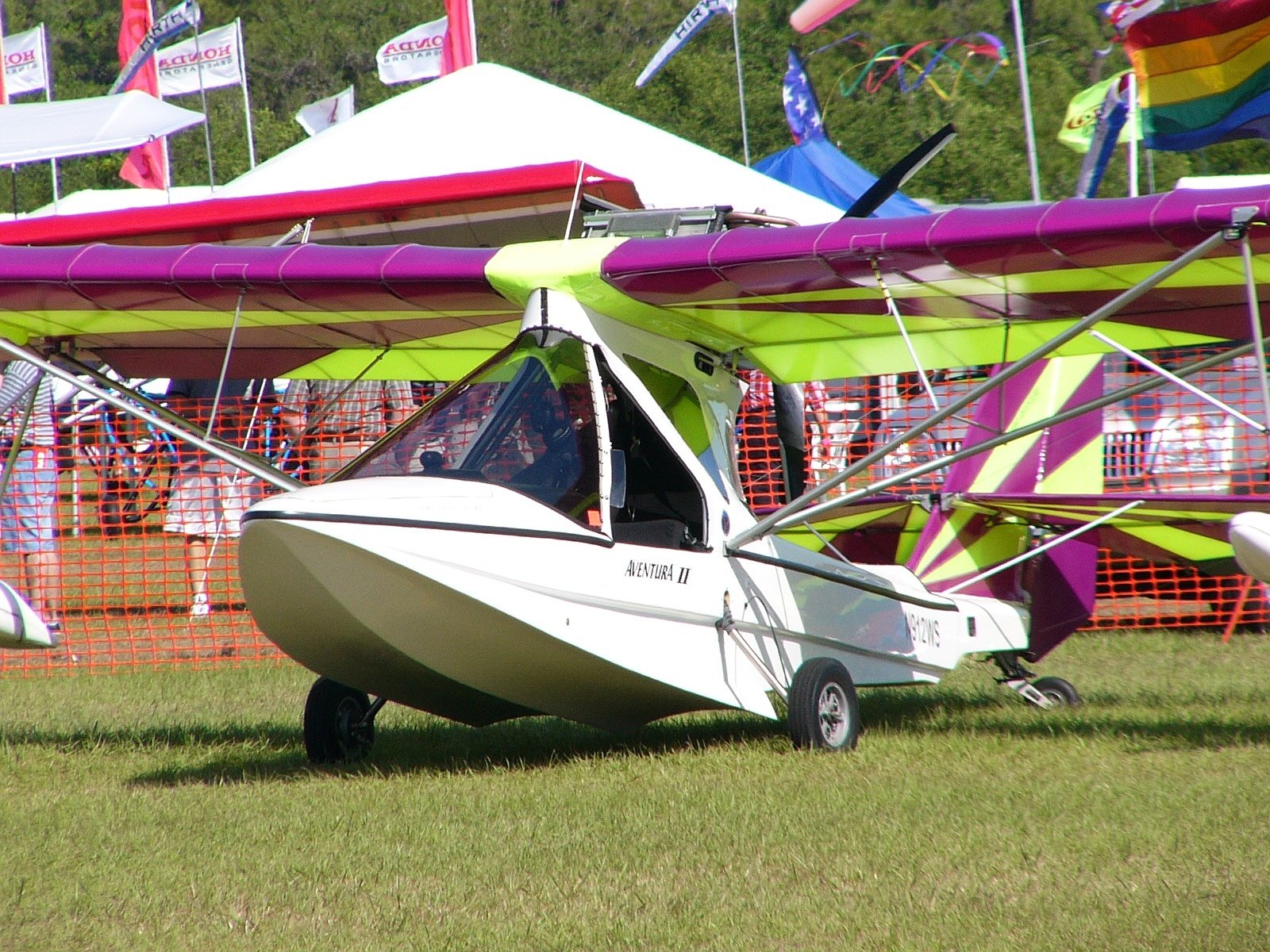
Design Philosophy and Construction
The MEAD Adventure emerged from the experimental aircraft movement that gained momentum following Burt Rutan's revolutionary composite designs of the 1970s and 1980s. Drawing inspiration from the VariEze's sandwich-composite construction methods, the Adventure was conceived as an accessible high-performance homebuilt that could deliver impressive speed while maintaining construction simplicity for amateur builders.
The aircraft's design prioritized ease of assembly and storage through innovative engineering solutions. Most notably, the Adventure featured a two-piece wing design that allowed builders to separate the wing sections for convenient storage in standard garage spaces—a critical consideration for homebuilders lacking dedicated hangar facilities. This practical approach to construction distinguished the Adventure from many other experimental designs that required permanent workshop space.
Technical Specifications and Performance
Powered by Continental A-series or C-series engines ranging from 65 to 85 horsepower, the Adventure achieved remarkable performance for its power class. The aircraft's 800-pound gross weight and 460-pound empty weight provided a useful load of 340 pounds, while its 20-gallon fuel capacity enabled a range of 650 miles. The combination of efficient aerodynamics and lightweight composite construction resulted in a top speed of 188 mph and cruise speed of 180 mph.
The Adventure's handling characteristics reflected careful attention to pilot safety and ease of operation. With a stall speed of just 57 mph, the aircraft provided comfortable low-speed handling, while its impressive climb rate of 1,600 feet per minute demonstrated strong performance capabilities. Takeoff and landing distances of 800 feet and 700 feet respectively made the Adventure suitable for operation from shorter airstrips.
Construction and Materials
The Adventure utilized modern composite materials throughout its structure, employing fiberglass and foam core sandwich construction similar to other Rutan-influenced designs. This construction method offered several advantages over traditional aluminum or wood structures, including superior strength-to-weight ratios and smooth exterior surfaces that contributed to the aircraft's impressive speed performance.
Builders typically equipped their Adventures with fixed-pitch wooden propellers, chosen for their efficiency and cost-effectiveness in the aircraft's power range. The tricycle landing gear configuration provided stable ground handling characteristics, particularly important for pilots transitioning from conventional aircraft or those with limited tailwheel experience.
Production and Availability
Unlike mass-produced aircraft, the Adventure was offered exclusively as plans or kits for homebuilders, following the established pattern of experimental aircraft distribution. No central manufacturing facility produced completed aircraft; instead, individual builders constructed their Adventures in private workshops and hangars across the country. This approach kept costs manageable while allowing builders to customize their aircraft according to personal preferences and local flying conditions.
The exact number of Adventures completed remains unknown, typical of experimental aircraft that lack centralized production records. However, documented examples include a low-time 2018 build, indicating continued interest in the design well into the 21st century. The aircraft's appeal to builders stemmed from its combination of high performance, reasonable construction complexity, and efficient use of available powerplants.
Legacy in Homebuilt Aviation
The MEAD Adventure represents the evolution of composite homebuilt aircraft from exotic, cutting-edge designs to more accessible projects suitable for a broader range of builders. While never achieving the widespread recognition of designs like the Rutan VariEze or Long-EZ, the Adventure demonstrated that high-performance experimental aircraft could incorporate practical considerations like storage and construction simplicity without compromising speed or efficiency.
The aircraft's design philosophy reflected broader trends in experimental aviation during the 2000s and 2010s, as builders increasingly sought aircraft that could deliver airline-like cruise speeds while remaining within the financial and technical reach of amateur constructors. The Adventure's 180-mph cruise speed placed it firmly in the high-performance category, competing favorably with much more expensive certified aircraft.
Today, the Adventure remains a testament to the ingenuity of experimental aircraft designers who continue pushing the boundaries of what amateur builders can accomplish. While production numbers were never large, the aircraft's technical achievements in combining speed, efficiency, and buildability continue to influence contemporary experimental designs. The Adventure serves as a reminder that innovation in general aviation often emerges from small-scale experimental projects rather than large manufacturing corporations.