
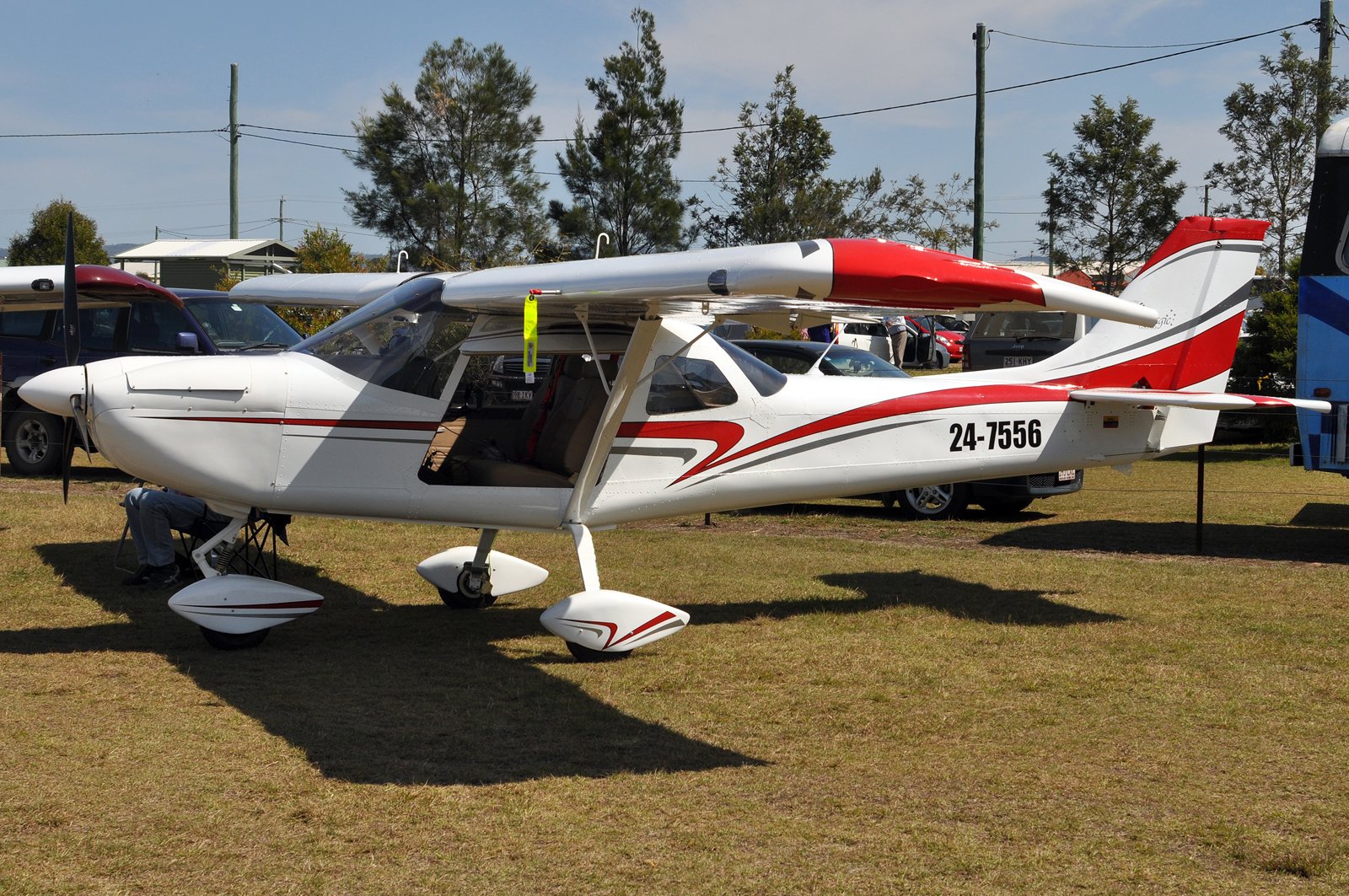
Development and Design Philosophy
The Kaiser Magic emerged during the late 1990s as part of a renaissance in purpose-built aerobatic aircraft design. Kaiser Aircraft developed the Magic to address the specific needs of competitive aerobatic pilots who required an aircraft capable of executing the increasingly complex maneuvers demanded by modern aerobatic competition sequences. The company focused on creating a biplane that would combine traditional aerobatic virtues with contemporary engineering and materials.
Technical Configuration
The Magic employs a classic biplane layout with equal-span wings connected by streamlined interplane struts and flying wires. This configuration provides the structural strength necessary for high-G maneuvers while maintaining the rapid roll rates essential for competitive aerobatics. The aircraft's fabric-covered wings and fuselage follow traditional construction methods proven effective in aerobatic applications.
The tail-dragger landing gear configuration reduces weight and drag while providing ground handling characteristics familiar to aerobatic pilots. The main landing gear retracts to further minimize drag during flight operations, an important consideration for aerobatic sequences where precise energy management is crucial.
Powerplant and Performance
The Magic is powered by a high-performance piston engine specifically chosen for its ability to operate reliably under the stress of aerobatic flight, including sustained inverted operations. The engine installation includes specialized systems for oil and fuel delivery that function properly regardless of the aircraft's attitude, essential for extended inverted flight segments.
Performance characteristics focus on maneuverability rather than speed or range. The Magic demonstrates exceptional roll rates and can execute snap maneuvers with precision, qualities that make it competitive in aerobatic contests where judges evaluate the accuracy and crispness of individual maneuvers.
Kaiser Aircraft Company
Kaiser Aircraft represents a specialized manufacturer focused on the aerobatic aircraft market segment. Unlike major aerospace manufacturers, Kaiser operates as a boutique producer, creating aircraft tailored to the specific requirements of aerobatic pilots and flight training organizations. The company's approach emphasizes customization and pilot input during the design process.
The manufacturer's expertise extends beyond aircraft production to include support services for aerobatic pilots, including maintenance training and parts supply. This comprehensive approach reflects the specialized nature of the aerobatic aircraft market, where ongoing manufacturer support is crucial for operators.
Operational History
Since its 1998 introduction, the Magic has found its primary role in competitive aerobatics and advanced flight training programs. The aircraft serves pilots participating in contests sanctioned by the International Aerobatic Club and similar organizations worldwide. Its design characteristics make it particularly suitable for Intermediate and Advanced category competition, where pilots must execute increasingly complex maneuver sequences.
Flight training schools specializing in aerobatic instruction have also adopted the Magic for advanced programs. The aircraft's forgiving handling characteristics, combined with its structural strength, make it suitable for training pilots in high-performance aerobatic techniques while maintaining appropriate safety margins.
Pilot Perspective
Pilots praise the Magic for its predictable handling characteristics and strong structural margins. The aircraft responds precisely to control inputs, allowing pilots to execute maneuvers with the accuracy required for competitive success. The biplane configuration provides excellent visibility during aerobatic sequences, an important factor when performing in front of judges or maintaining situational awareness during practice sessions.
The Magic's control harmony receives particular attention from pilots, who note that the aircraft requires consistent but not excessive control forces throughout its aerobatic envelope. This characteristic reduces pilot fatigue during extended practice sessions and allows for more precise maneuver execution during competition flights.
Current Status and Legacy
The Magic continues in limited production, reflecting the specialized nature of the aerobatic aircraft market. Each aircraft represents significant customization based on individual pilot requirements and intended competition categories. The model has established itself within the aerobatic community as a reliable platform for serious competition pilots.
The aircraft's influence extends beyond its direct operators to the broader aerobatic community, where its design solutions have informed subsequent aerobatic aircraft development. The Magic demonstrates that modern manufacturing techniques can be successfully applied to traditional aerobatic aircraft configurations, maintaining the flying qualities pilots demand while incorporating contemporary materials and construction methods.