
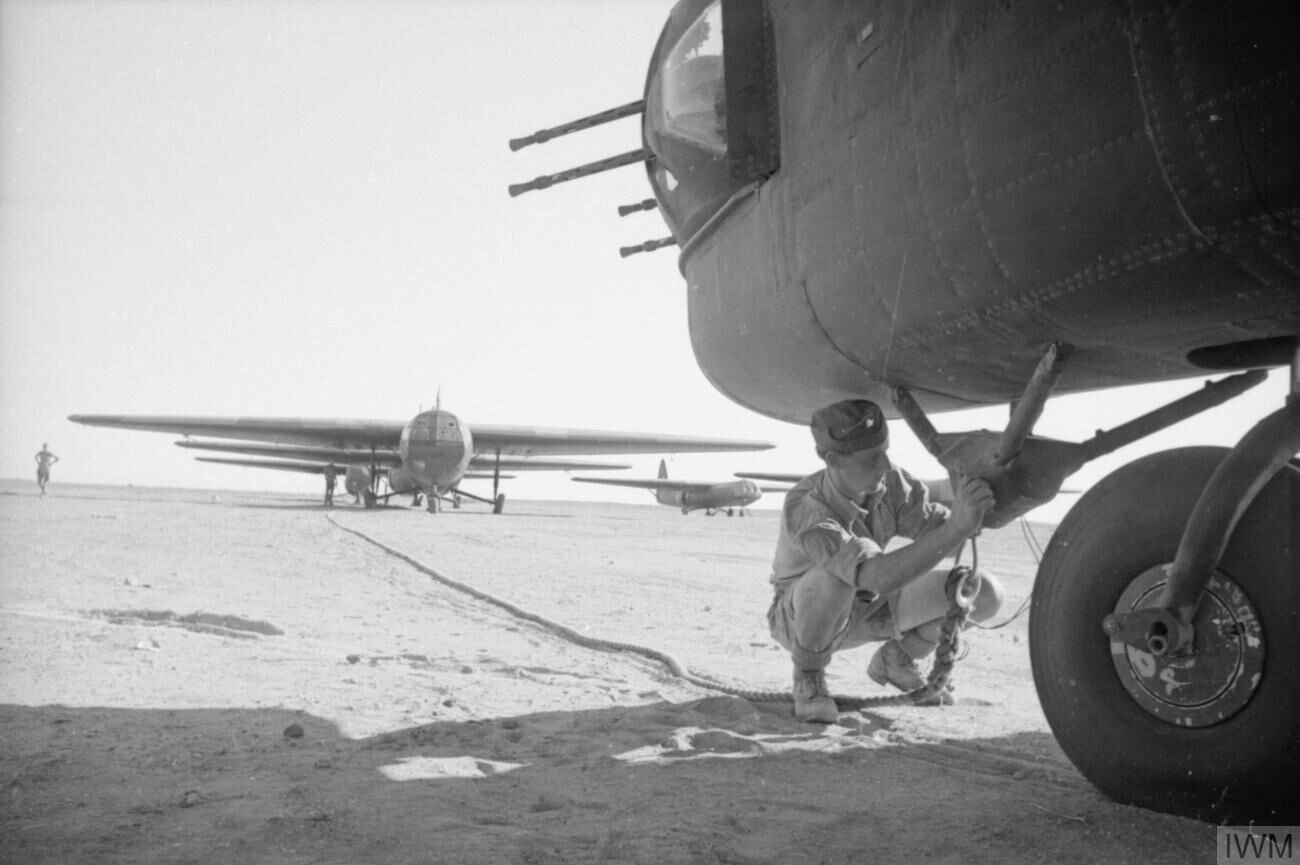
The ICAO designator MLTR does not refer to a single aircraft model, but rather serves as a generic category code for military gliders. As a class, these aircraft were instrumental during World War II, providing a means of silent approach and the delivery of heavy equipment into enemy territory. Major combatant nations, including Germany, the United Kingdom, the United States, the Soviet Union, and Japan, developed these specialized airframes to support airborne operations.
Germany pioneered the tactical use of gliders, most notably during the May 1940 attack on the Belgian fortress Eben-Emael using DFS 230 assault gliders. German production also included the Messerschmitt Me 321 "Gigant," one of the largest gliders of the war, which featured nose clamshell doors to accommodate heavy cargo. The United Kingdom followed with the production of the Airspeed Horsa, General Aircraft Ltd. Hotspur, and the Hamilcar between 1941 and 1945.
In the United States, the glider program accelerated following the attack on Pearl Harbor on December 7, 1941. Between 1941 and 1945, the U.S. produced 14,612 military gliders of various types, with the Waco CG-4A serving as the most common model. The CG-4A was designed to carry a crew of two pilots and 13 combat-ready troops, or a payload of up to 3,710 lb, which could include a jeep or a small artillery piece. To support these operations, the U.S. trained over 6,000 glider pilots.
Operationally, these aircraft were towed by powered transports, such as the C-47 Skytrain. The 305th Troop Carrier Squadron (now the 305th Expeditionary Airlift Squadron) utilized this method during the Normandy invasion in June 1944 and Operation Market Garden in September 1944. Other significant engagements included the invasion of Sicily (Operation Husky), the crossing of the Rhine (Operation Varsity) in March 1945, and various operations in the Pacific Theater. Due to the inherent hazards of unpowered flight and the lack of go-around capability, these aircraft were often referred to as "flying coffins."
Following World War II, military gliders became obsolete as helicopters and powered transport aircraft took over their roles. While some surplus airframes were used for civilian sport or training, they never entered scheduled commercial service. Today, examples of types like the CG-4A and Horsa are preserved in museums across the U.S. and UK.