
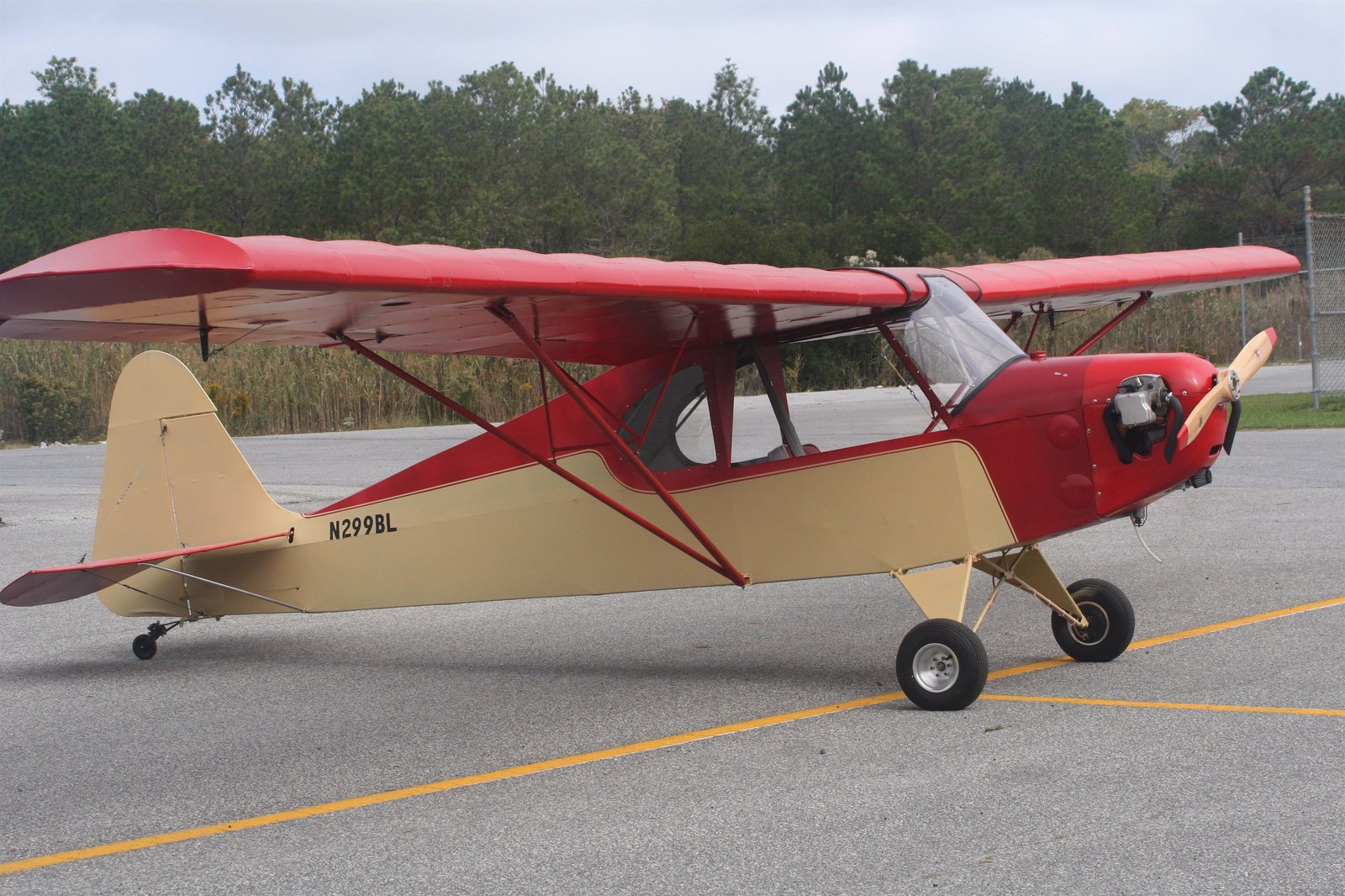
Revolutionary Kit Design
Bob Counts conceived the N-3 design during the ultralight aviation boom of the mid-1980s, seeking to create what enthusiasts called a "third generation" ultralight. Unlike the open-framework Quicksilver designs that dominated early ultralight flying, or the enclosed but expensive aircraft like the CGS Hawk, Counts aimed for a nostalgic replica that combined affordability with classical airplane aesthetics. His 75-percent scale interpretation of the beloved Piper J-3 Cub offered recreational pilots an enclosed cockpit, traditional control systems, and the visual appeal of a "real" airplane at ultralight weights and costs.
Manufacturing Evolution
Nostalgair Inc. launched operations from San Antonio, Texas, subcontracting initial construction to a Colorado facility. The company operated alongside Global Tool, which manufactured the specialized Half VW engines, until both enterprises collapsed in 1986. Warren Mosler acquired the assets and appointed Counts as president, relocating production to Winston-Salem, North Carolina. Under Mosler's ownership, the operation expanded to occupy two buildings and achieved production rates of 40 kits annually by 1993.
The company underwent another transformation when it became Preceptor Aircraft and moved to Rutherfordton, North Carolina. Preceptor continued marketing plans and limited kit production online until ceasing operations in 2016. The turbulent ownership history reflected the volatile nature of the ultralight industry, where small manufacturers frequently struggled with capitalization and market fluctuations.
Engineering and Construction
The Citabriette utilized tube-and-fabric construction methods familiar to amateur builders. The fuselage and tail surfaces employed welded 4130 steel tubing covered with aircraft fabric, while builders could choose between aluminum wing spars that folded for transport or lighter wooden spars with fixed wings. The fiberglass engine cowling provided weather protection for the powerplant while maintaining the classic Cub appearance.
Countds designed the aircraft around the innovative Hummel Half VW engine, a two-cylinder horizontally-opposed powerplant derived by literally cutting a Volkswagen automotive engine in half. This 1,037-cubic-centimeter engine produced 37 horsepower while maintaining the reliability and parts availability of its automotive heritage. Alternative engines ranging from 37 to 60 horsepower could be installed, though the original Half VW remained the most popular choice.
Performance Characteristics
The N-3 delivered performance figures that impressed ultralight pilots accustomed to marginal capabilities. Its 60-mph cruising speed enabled genuine cross-country flying, while the 27-mph stall speed provided docile low-speed handling. The aircraft required only 150 feet for both takeoff and landing, making it suitable for small private strips. With a 10,000-foot service ceiling and 600-foot-per-minute climb rate, pilots could tackle challenging terrain and weather conditions.
The 19-liter fuel capacity provided approximately three hours of flying time, sufficient for regional flights between ultralight-friendly airports. The aircraft's 535-pound gross weight fell within FAR 103 ultralight regulations, avoiding the medical certificate and licensing requirements that deterred many recreational pilots from traditional general aviation.
Production Success and Variants
By early 1985, Nostalgair had received orders for 125 aircraft with 51 completed, demonstrating immediate market acceptance. Production continued through various ownership changes, ultimately reaching 830 N-3 Pups by December 2011. The entire family of variants totaled 1,087 aircraft, making it one of the most successful ultralight designs in aviation history.
The basic N-3 Pup spawned several derivatives addressing different market segments. The Ultra Pup stretched the design into a two-seat trainer powered by a 60-horsepower Volkswagen engine, with 200 examples completed. The Super Pup increased power to 50 horsepower for improved performance, while the Stinger adopted a parasol wing configuration. Even an autogyro variant called the Little Wing Roto-Pup emerged from the basic design.
Recognition and Legacy
The design achieved its greatest recognition in 1988 when an N-3 Pup modified to resemble a Citabria aerobatic aircraft won the Grand Champion Ultralight award at the EAA Oshkosh airshow. This "Citabriette" demonstrated the design's versatility and builders' creativity in personalizing their aircraft. The award validated Counts's concept of combining nostalgic aesthetics with modern ultralight practicality.
International interest extended beyond American borders, with examples completed in Australia under Recreation Aviation Australia registration. The design's combination of familiar construction techniques, reliable powerplant options, and forgiving flight characteristics made it particularly suitable for first-time builders and pilots transitioning from ground-based recreational activities.
Today, many N-3 Pups remain active in the experimental aircraft community, testament to their solid design and construction quality. While production has ceased, the aircraft established important precedents for kit manufacturers seeking to blend nostalgia with modern recreational flying requirements, influencing subsequent ultralight and light sport aircraft development throughout the industry.