
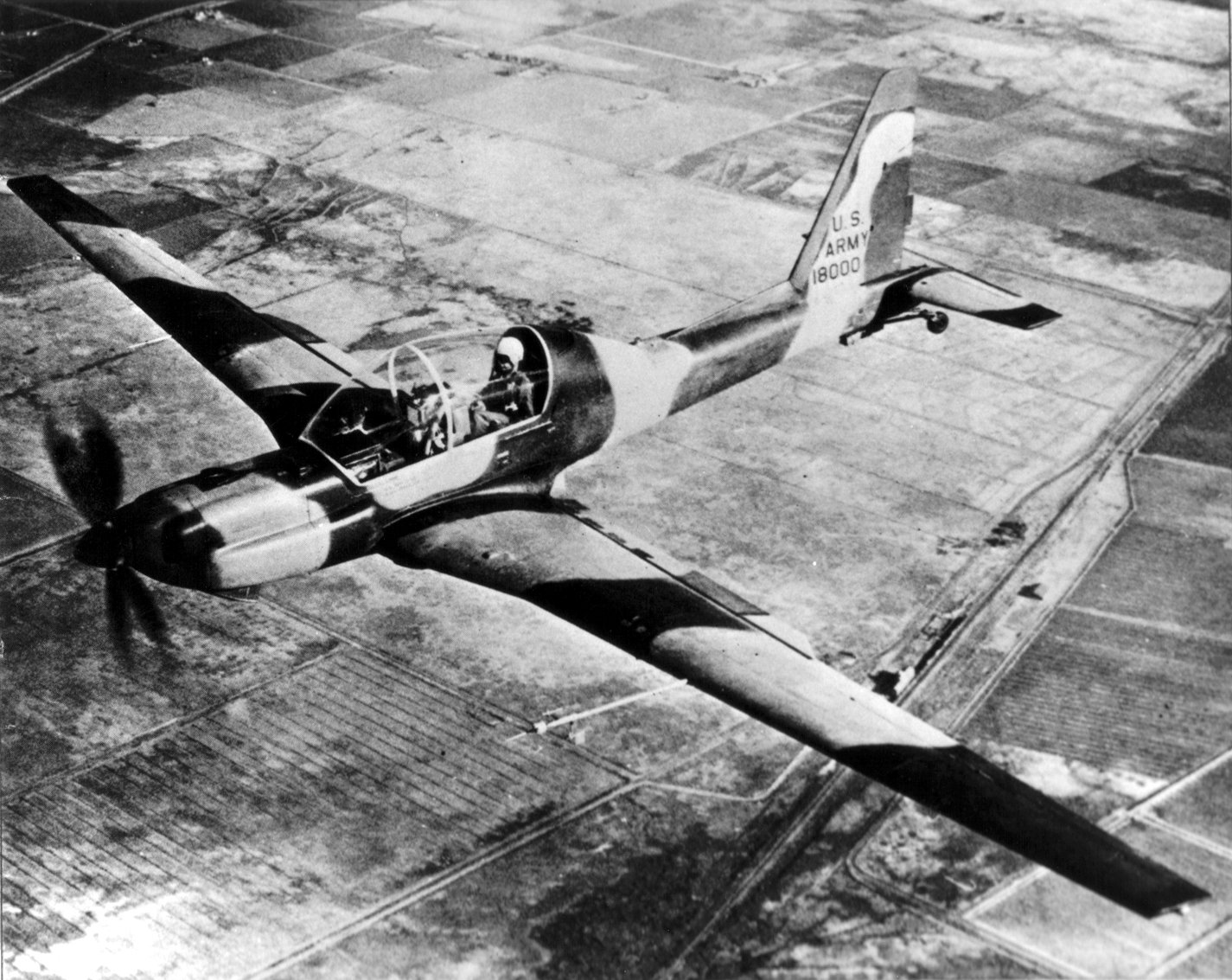
Revolutionary Acoustic Stealth
The YO-3's development began in 1966 when the U.S. Army recognized the need for a truly silent observation aircraft. Lockheed initially built two QT-2 "Quiet Thrusters" using modified Schweizer SGS 2-32 glider airframes, which were then upgraded to QT-2PC "Prize Crew" configuration for operational trials. The success of these prototypes led to a 1968 Army specification demanding an observation aircraft acoustically undetectable from the ground at 1,500 feet altitude during nighttime operations.
Combat Proving Ground
Nine of the eleven production YO-3As deployed to South Vietnam in 1969, operating from bases including Bien Hoa and Lang Bian with the 1st Army Security Agency Company and 73rd Surveillance Aircraft Company. During 18 months of intensive combat operations, the aircraft achieved a perfect stealth record—not one was ever audibly detected by enemy forces. Only a single incident occurred when landing lights momentarily revealed an aircraft's presence, but even then, no acoustic detection took place.
Pilots flew nighttime reconnaissance missions using Night Vision Aerial Periscopes and infrared illuminators to observe enemy activity. The aircraft typically operated at minimum speeds around 70 mph to maximize noise reduction, with pilots reporting that ground personnel could not hear the aircraft even when directly overhead.
Lockheed's Specialized Division
Lockheed Missiles and Space Company, based in Sunnyvale, California, handled the YO-3 project from their Bohannon Industrial Park facility in Menlo Park. This division of the larger Lockheed Corporation specialized in advanced military projects and space systems. The company had established itself as a premier defense contractor throughout the 20th century before merging with Martin Marietta in 1995 to form Lockheed Martin, which continues as one of the world's largest aerospace companies today.
Engineering for Silence
The YO-3's noise reduction centered on three critical systems: engine, propeller, and airframe modifications. The Continental IO-360D six-cylinder engine produced 210 horsepower but was coupled through a complex 12-sheave, 12-belt pulley system with a 3.33:1 reduction ratio, allowing the propeller to rotate at extremely low speeds. Engine cowling and firewall received fiberglass sound dampening treatment to contain mechanical noise.
The propeller system underwent significant evolution during the program. Initially equipped with a six-blade ground-adjustable propeller, the aircraft received a revolutionary replacement in March 1971. Master craftsman Ole Fahlin designed a three-blade laminated wooden propeller using polished Canadian birch plywood layers just one-sixteenth inch thick. This constant-speed propeller featured wider chord dimensions than conventional designs and produced sound levels of only 60 decibels—described as resembling a shuffling deck of cards.
Technical Specifications and Performance
Measuring 29 feet 4 inches in length with a 57-foot wingspan, the YO-3 incorporated the Schweizer glider's efficient aerodynamics while adding military capabilities. The aircraft weighed 3,129 pounds empty and could operate at a maximum takeoff weight of 3,800 pounds. Performance included a maximum speed of 138 mph, cruise speed of 110 mph, and stall speed of 64.4 mph. The aircraft could remain airborne for approximately five hours and required 1,720 feet for takeoff under standard conditions.
The tandem seating arrangement placed the pilot forward with an observer behind, both equipped with specialized night vision equipment. The enlarged canopy area compared to the original glider design provided enhanced observation capabilities essential for reconnaissance missions.
Limited Production and Civilian Applications
With only 11 aircraft produced, the YO-3 remained a highly specialized military asset. Following Vietnam service, some aircraft found civilian roles with the FBI for surveillance operations, the Louisiana Department of Fish and Game for wildlife monitoring, and NASA for research purposes. These applications demonstrated the aircraft's versatility beyond military reconnaissance.
Legacy of Silent Flight
The YO-3 Quiet Star achieved what no previous aircraft had accomplished: complete acoustic invisibility during combat operations. This success predated radar stealth technology by over a decade and proved that carefully engineered noise reduction could create an operationally viable stealth platform. The program's perfect combat record validated acoustic stealth concepts and influenced subsequent military aviation design philosophy, establishing principles that remain relevant in modern low-observable aircraft development.
The aircraft represents a unique chapter in aviation history, demonstrating that innovative engineering solutions could address specific operational challenges. Its Vietnam service record stands as testament to the effectiveness of acoustic stealth technology and the skill of the pilots and engineers who made silent flight a combat reality.