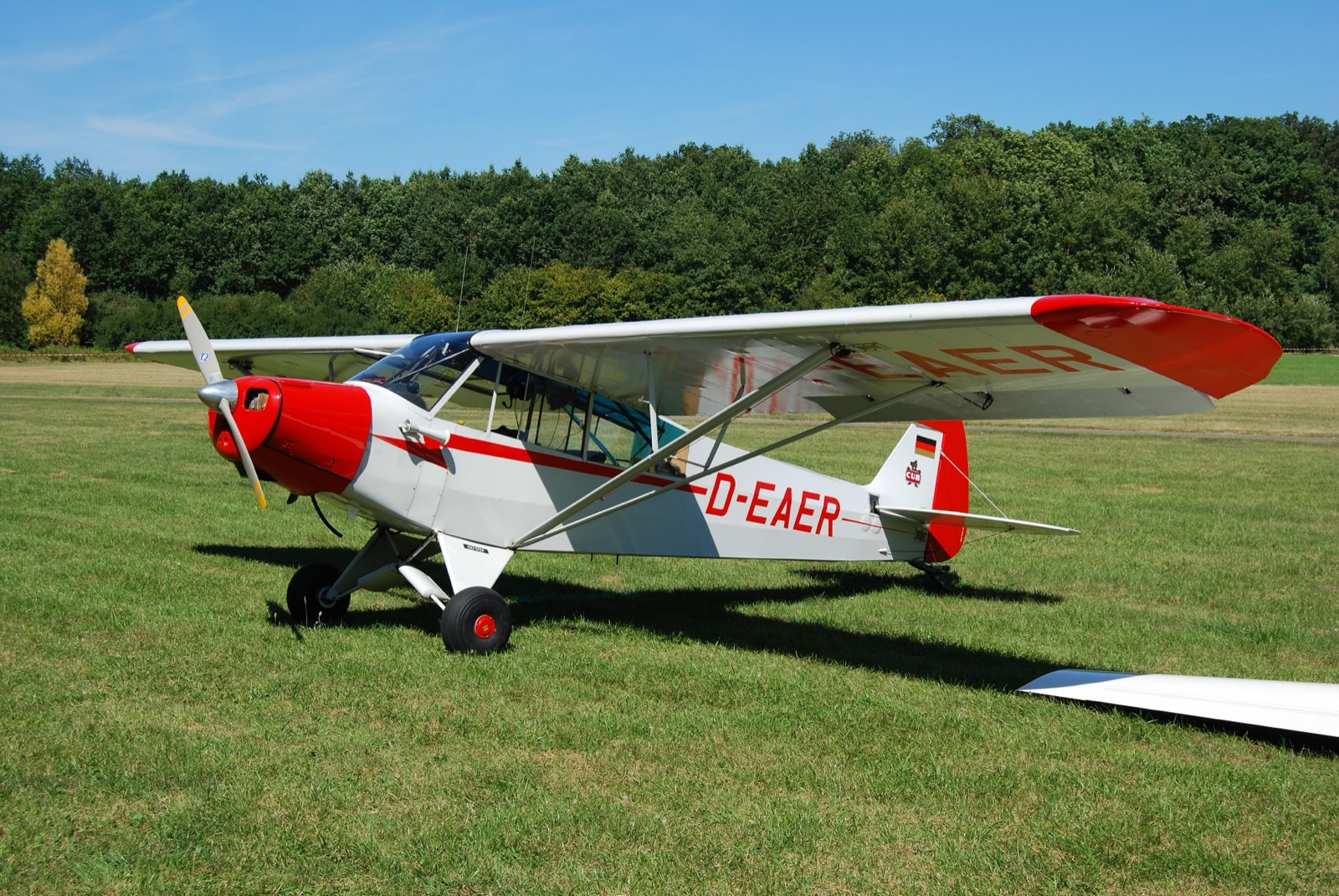
Smith Aviation PA-18T Super Cub

Fixed Wing Single Engine

Aircraft Information

ICAO Code
P18T
Manufacturer
Smith Aviation
Model
PA-18T Super Cub
Aircraft Type
Fixed Wing Single Engine
Primary Role
General Aviation

Technical Data

Engine Type
Turboprop
Engine Model
PT6A-11
Production Years
1984-1991
Units Produced
47
First Flight
1984
Notable Operators
US Forest Service, Colorado Department of Natural Resources

The Smith Aviation PA-18T Super Cub represented a specialized turbine-powered evolution of the classic Super Cub design, developed for enhanced high-altitude and hot-weather operations. First flown in the 1980s, it was a high-wing single-engine aircraft that could seat two occupants and featured a turboprop powerplant in place of the traditional reciprocating engine. With its 35-foot wingspan and significantly improved power-to-weight ratio, the PA-18T was manufactured by Smith Aviation as a niche variant targeting specialized utility and training missions.

Development and Design Philosophy

The PA-18T Super Cub emerged during the 1980s as Smith Aviation's answer to operators requiring the legendary Super Cub's handling characteristics combined with turbine engine reliability. While maintaining the fundamental airframe geometry that made the original Piper design so successful, Smith Aviation engineers integrated a Pratt & Whitney Canada PT6A-11 turboprop engine, producing 500 shaft horsepower compared to the 150 horsepower typical of reciprocating Super Cubs.

Technical Innovation

The turbine installation required significant modifications to the traditional Super Cub structure. Smith Aviation reinforced the engine mount and extended the nose section by 18 inches to accommodate the PT6A's length and oil tank. The propeller was upgraded to a Hartzell three-blade constant-speed unit with reversible pitch capability, providing enhanced ground handling and shorter landing rolls. Maximum takeoff weight increased to 2,300 pounds, representing a 500-pound improvement over most reciprocating variants.

Performance Characteristics

Pilots noted the PA-18T's exceptional climb performance, achieving initial rates exceeding 1,200 feet per minute at sea level. Service ceiling reached 25,000 feet, substantially higher than reciprocating Super Cubs which typically operated below 15,000 feet. Cruise speed improved to 140 miles per hour at 10,000 feet, while maintaining the Super Cub's renowned short-field capabilities with takeoff distances under 400 feet.

The turbine powerplant eliminated concerns about carburetor icing and provided consistent power output regardless of altitude, making the PA-18T particularly suitable for mountain operations and high-density altitude conditions that challenged traditional reciprocating engines.

Operational History

Smith Aviation targeted the PA-18T toward specialized markets including pipeline patrol, wildlife management, and advanced flight training organizations. Several examples served with government agencies conducting aerial surveillance and environmental monitoring missions. The type's ability to operate efficiently at altitudes where reciprocating engines struggled made it valuable for operations in mountainous terrain and hot climates.

Smith Aviation Company

Founded in 1978, Smith Aviation specialized in aircraft modifications and limited production of specialized variants. The company operated from facilities in Colorado, taking advantage of high-altitude conditions for testing and certification work. Beyond the PA-18T, Smith Aviation produced supplemental type certificates for various general aviation aircraft modifications, though the turbine Super Cub remained their most ambitious project.

Production and Market Reception

Limited production reflected the PA-18T's specialized nature and significantly higher acquisition cost compared to traditional Super Cubs. With turboprop engines costing more than three times the price of reciprocating powerplants, the complete aircraft typically sold for over $300,000 in 1980s dollars. This positioned the PA-18T as a premium alternative rather than a volume production aircraft.

Maintenance requirements differed substantially from reciprocating Super Cubs, requiring technicians trained in turbine engine systems and access to specialized tooling. While the PT6A engine offered exceptional reliability and 3,500-hour time between overhauls, operating costs remained considerably higher than traditional variants.

Legacy and Current Status

The PA-18T demonstrated that classic airframe designs could successfully integrate modern powerplant technology, though market acceptance remained limited by economic factors. Most examples continued operating into the 21st century, testament to both the fundamental Super Cub design's durability and the PT6A engine's longevity.

Smith Aviation ceased operations in the early 1990s, though support for existing PA-18T aircraft continued through specialized maintenance facilities familiar with the modifications. The type certificate and production rights were never transferred to another manufacturer, making the PA-18T a unique chapter in Super Cub evolution.