
Development and Design Philosophy
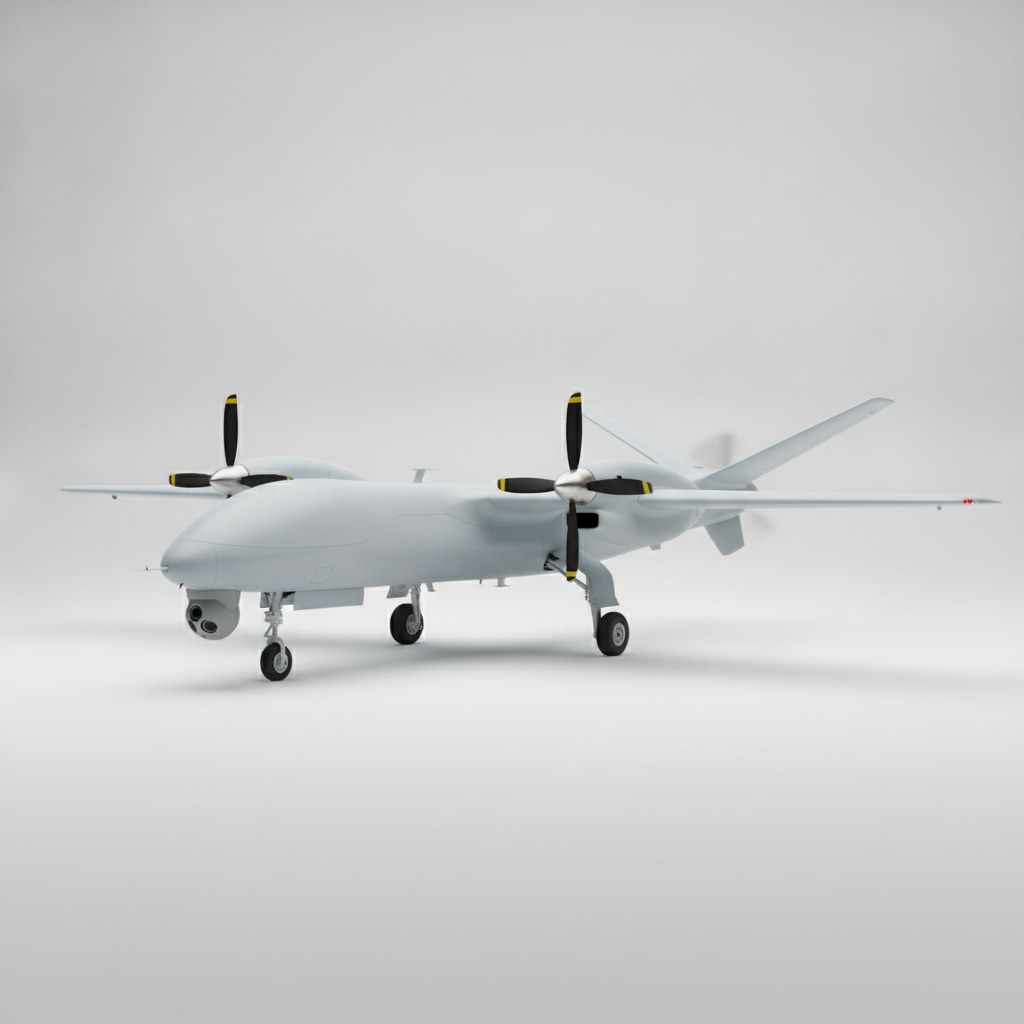
The P.1HH Hammerhead emerged from Piaggio's strategy to leverage its successful P.180 Avanti commercial aircraft platform for military applications. Development began in the early 2010s through a partnership with Saab Defense and Security Systems, combining Italian aeronautical expertise with Swedish defense technology integration. The unmanned system retained the distinctive three-lifting-surface configuration from its manned predecessor while incorporating significant modifications for autonomous operation.
The aircraft features a shrouded flight deck and bulged dorsal fairing that houses satellite communication systems, avionics, and mission-critical payloads. Engineers designed removable external wing sections to facilitate ground transportation and enhance operational flexibility across different deployment scenarios. This modular approach reflected lessons learned from operating unmanned systems in diverse international environments.
Flight Testing and Early Operations
The Hammerhead achieved its first lift-off on August 8, 2013, during a brief test flight at an undisclosed location. The formal flight test program commenced on November 14, 2013, at Trapani "Birgi" Italian Air Force base, where the demonstration aircraft completed a 12-minute flight over the Mediterranean Sea. During this inaugural mission, the remotely piloted aircraft reached 2,000 feet altitude and maintained 170 knots airspeed while being controlled from a ground station.
Flight trials experienced interruptions but resumed in July 2017 with a new-build prototype. By June 2017, three aircraft were planned for completion as part of the revitalized program. The testing regimen validated the aircraft's compliance with STANAG USAR 4671 standards, enabling operations in both restricted and unrestricted airspace.
Technical Specifications and Performance
Two Pratt & Whitney Canada PT6-66B turboprops power the Hammerhead in a pusher configuration, each delivering between 850 and 950 shaft horsepower. These engines represent modified versions of the PT6A-66 powerplants used in the manned Avanti series, optimized for unmanned operations and extended endurance missions.
The aircraft demonstrates impressive performance characteristics with a maximum speed of 280 mph and service ceiling of 45,000 feet. Its operational range extends to 1,864 miles with endurance capabilities of 16 flight hours, making it competitive with other medium-altitude long-endurance platforms. The rate of climb reaches 3,000 feet per minute, allowing rapid transit to operational altitudes.
Manufacturing and Production Challenges
Piaggio Aero Industries initially projected ambitious production targets, planning approximately 190 aircraft for international customers by 2014. However, actual production has fallen dramatically short of these projections, with only one confirmed unit completed according to available records. The production facility in Italy was prepared for deliveries scheduled to begin in mid-2018, with at least six aircraft planned for completion by year's end.
These production shortfalls reflect broader challenges within Piaggio's business operations and the competitive nature of the military unmanned systems market. The company, originally established as Rinaldo Piaggio S.p.A. in 1884 in Genoa, had previously manufactured the P.108, Italy's only four-engined heavy bomber during World War II.
International Orders and Service
The United Arab Emirates became the launch customer for the P.1HH program, ordering eight aircraft in 2016. This initial export success validated the aircraft's design concept and international market appeal. The Italian Air Force projected requirements for at least 10 Hammerheads beginning in 2015, representing the domestic military's confidence in the platform's capabilities.
Despite these early orders, delivery schedules have experienced significant delays. The program's commercial trajectory has not matched initial projections, limiting the aircraft's operational deployment and combat validation opportunities.
Current Status and Future Prospects
The Hammerhead program represents Piaggio's strategic pivot toward military unmanned systems, though commercial success has proven elusive. While the aircraft demonstrates competitive technical specifications and regulatory compliance, production and delivery challenges have hindered market penetration.
The program's future depends on resolving manufacturing constraints and securing additional international customers. Italy's recent decision to pursue alternative solutions for some military requirements suggests evolving priorities within the defense procurement landscape, potentially affecting long-term demand for the Hammerhead platform.