
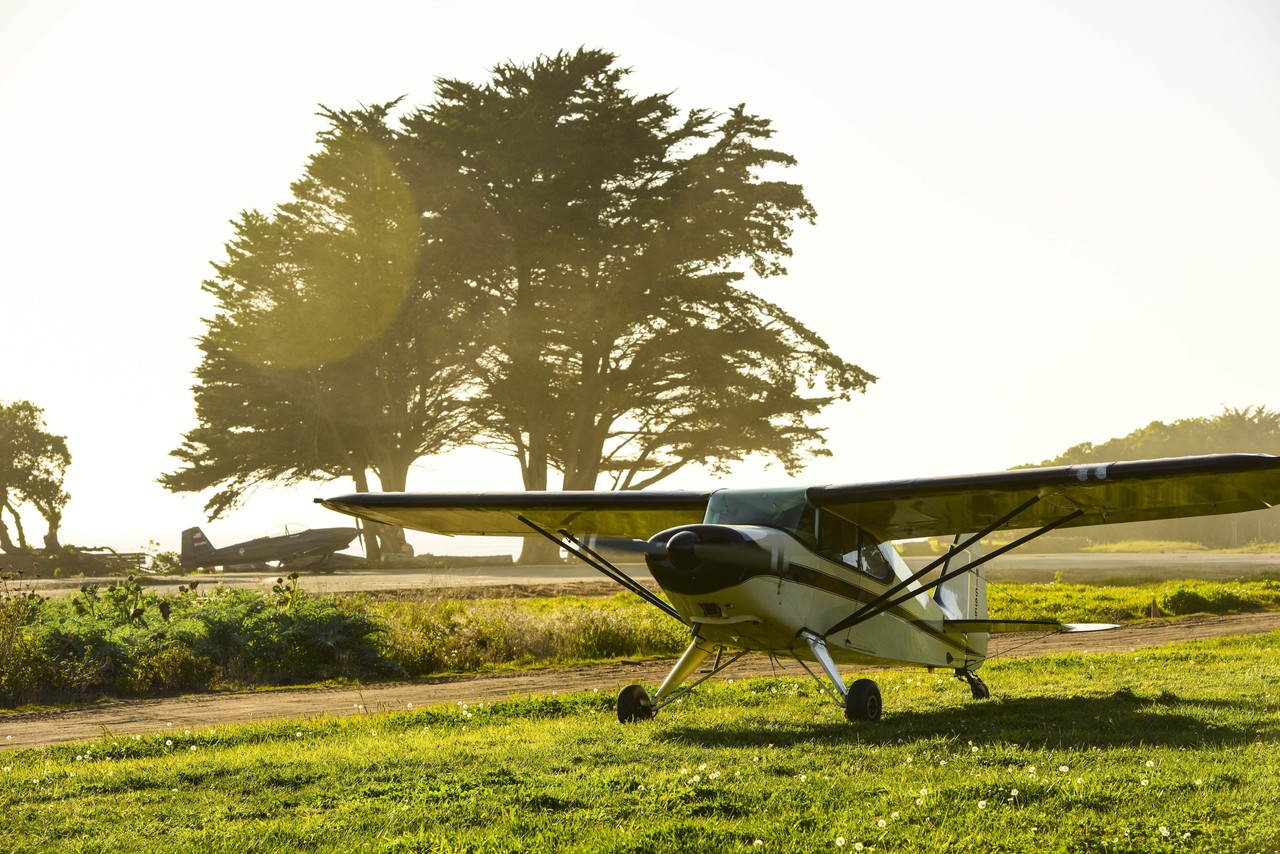
Development and Design Philosophy
The PA-20 Pacer emerged from Piper's systematic evolution of light aircraft designs, representing the third generation in a lineage that began with the PA-15 Vagabond and continued through the PA-16 Clipper. When the prototype took to the skies on July 13, 1949, it embodied Piper's philosophy of continuous improvement rather than revolutionary change. The aircraft received Type Certificate 1A4 on December 21, 1949, with the first production example, serial number 20-3 registered as N6901K, rolling out of the Lock Haven factory in January 1950.
Engineers at Piper made significant refinements during the aircraft's development cycle. The 1950 production year brought major improvements including an enlarged tail section for enhanced stability, increased fuel capacity through larger tanks, a transition from stick controls to conventional wheel controls, and the addition of balanced elevators for improved flight characteristics. By 1953, designers widened the fuselage to provide greater baggage compartment space, addressing practical concerns from operators and owners.
Engine Variants and Performance
The Pacer's powerplant options reflected the diverse needs of the general aviation market. The standard configuration featured the 125-horsepower Lycoming O-290-D, while budget-conscious buyers could opt for the 115-horsepower O-235-C1 variant introduced in March 1950. From 1952 until production concluded in 1954, Piper offered the most powerful version with the 135-horsepower O-290-D2, certified on May 5, 1952.
Piper briefly experimented with a six-cylinder Continental C-145 engine installation, but this variant never reached production status. The Lycoming engines proved reliable and well-suited to the aircraft's mission profile, providing adequate performance for training operations and personal flying while maintaining reasonable operating costs.
Record-Setting Achievements
The PA-20's capabilities gained international attention through the exploits of ferry pilot Max Conrad, whose record-setting flights demonstrated the aircraft's reliability and range. In September 1950, Conrad piloted PA-20 N7330K (construction number 20-231) from Minneapolis, Minnesota to Rome, Italy and back, showcasing the type's long-distance potential. His subsequent achievements included a 23-hour transcontinental United States crossing in 1951 and a transatlantic round-trip flight in 1952.
These highly publicized flights served as powerful marketing tools for Piper, proving that their modestly-powered aircraft could handle demanding missions typically associated with larger, more expensive machines.
Military and Government Service
While primarily designed for civilian use, the PA-20 found limited military applications. The Cuban Army Air Force and South African Air Force operated modified versions, though specific details of their service configurations and operational history remain limited. These military adaptations demonstrated the basic design's versatility and rugged construction.
The aircraft's stable flying characteristics and forgiving handling made it particularly suitable for flight training operations, where many examples served throughout their operational lives.
Production Variants
Piper produced four distinct PA-20 variants during the model's four-year production run. The basic PA-20 featured four seats and the 125-horsepower engine, while the PA-20 115 offered the same accommodation with reduced power for lower operating costs. The PA-20 135 provided maximum performance with its uprated engine, and the specialized PA-20S featured three-seat configuration with provisions for float installation, certified on May 18, 1950.
All variants shared the same basic airframe with its strut-braced high-wing design and conventional tailwheel landing gear, maintaining commonality in manufacturing and support.
Legacy and Transition to Tricycle Gear
Despite its solid performance and construction, the PA-20 faced an abbreviated production life as aviation preferences shifted toward tricycle landing gear configurations. Piper recognized this trend and developed the PA-22 Tri-Pacer, which retained the PA-20's basic design while substituting conventional gear with a nose wheel arrangement.
The market's response was dramatic: while only 1,120 PA-20 Pacers were completed between 1950 and 1954, the PA-22 Tri-Pacer achieved production of over 9,400 aircraft during its extended run through 1964. This stark contrast illustrated the aviation community's strong preference for the enhanced safety and ease of operation provided by tricycle gear.
Current Status
Today, surviving PA-20 Pacers continue serving in various roles including flight training, personal transportation, and recreational flying. Some examples have been modified for aerobatic operations, taking advantage of the type's sturdy construction and responsive controls. While specific registration numbers for active PA-20s are not readily available, the related PA-22 Tri-Pacer maintained 3,280 aircraft on the U.S. Federal Aviation Administration registry as of 2018, suggesting that a significant portion of the Piper tailwheel fleet remains operational.
The PA-20's brief production run and subsequent overshadowing by its tricycle-gear successor has made surviving examples increasingly collectible among vintage aircraft enthusiasts who appreciate the authentic tailwheel flying experience and the type's connection to aviation's golden age.