
Performance Leadership
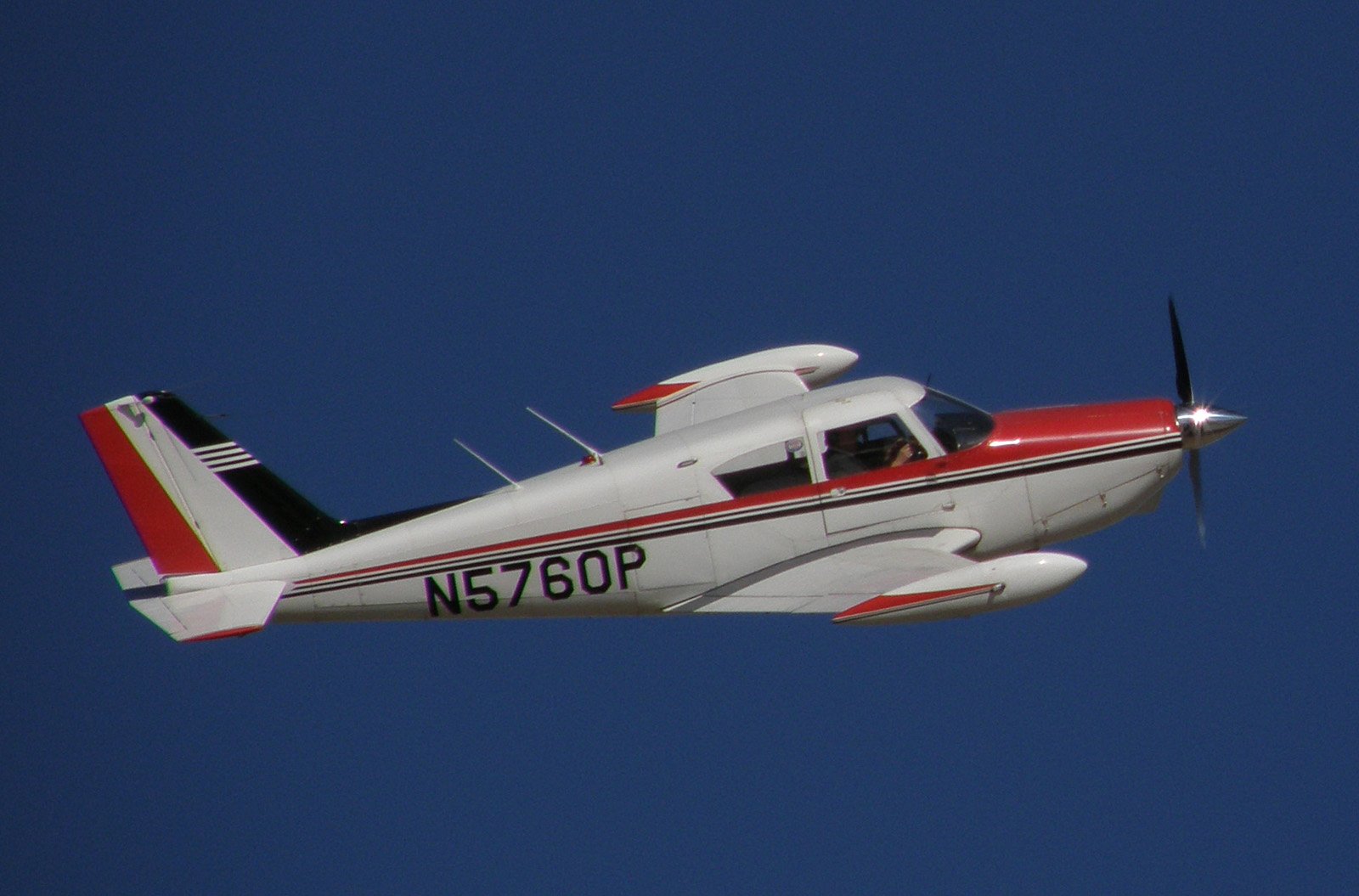
The PA-24 Comanche represented Piper's ambitious entry into the high-performance general aviation market, delivering cruise speeds of 155 to 190 knots that significantly exceeded contemporaneous aircraft. The PA-24-250 variant achieved 155 knots true airspeed while consuming just 14 gallons per hour, with a useful load of 1,100 to 1,400 pounds depending on configuration. The top-performing PA-24-400 variant could sustain 190 knots at 22-23 gallons per hour, earning praise from pilots who described its climb performance as ascending "like a homesick angel."
The Manufacturer's Vision
Piper Aircraft Corporation, founded in 1927 by William T. Piper and George H. Lerchenfield as Taylor Brothers Aircraft Manufacturing Company, had built its reputation on affordable training aircraft like the J-3 Cub. The company relocated to Lock Haven, Pennsylvania, where it produced military trainers including the L-4 Grasshopper during World War II. The Comanche project marked Piper's departure from fabric-covered, fixed-gear designs toward sophisticated all-metal construction that could compete with higher-end manufacturers.
Engine Evolution
Piper equipped Comanche variants with increasingly powerful Lycoming horizontally-opposed engines throughout the production run. The initial PA-24-180 utilized the reliable 180-horsepower O-360-A1A four-cylinder engine, while the popular PA-24-250 featured the 250-horsepower O-540-A1A5 six-cylinder powerplant. The PA-24-260 series introduced fuel injection with the IO-540-D and IO-540-E engines, providing 260 horsepower and redlined at 2,700 rpm. The ambitious PA-24-400 employed Lycoming's eight-cylinder IO-720-A1A producing 400 horsepower, though this variant required 130-gallon fuel capacity and expensive overhauls costing $60,000 to $70,000.
Production Variants
Piper developed five distinct Comanche configurations between 1957 and 1972. The PA-24-180 launched production in 1957 with over 100 units manufactured before ending in 1964. The PA-24-250, introduced in 1958, became the most recognizable variant with a gross weight of 2,800 pounds. From 1965 to 1972, Piper built 1,029 examples of the PA-24-260 series, including the PA-24-260, 260B, and 260C models that expanded seating to six occupants. The limited-production PA-24-400 saw only 148 units manufactured from 1964 to 1966, while the turbocharged PA-24-260TC debuted in 1970 for high-altitude operations.
Abrupt Production End
Comanche production ceased dramatically in June 1972 when Hurricane Agnes caused severe flooding along the Susquehanna River. The disaster destroyed completed airframes, spare parts inventory, and manufacturing tooling at Piper's Lock Haven facility. Rather than rebuilding the Comanche production line, company management shifted resources to the PA-28R Arrow and PA-34 Seneca models manufactured at their Vero Beach, Florida plant. Aircraft pricing had ranged from $17,850 for early variants to $36,890 for fully equipped models.
Pilot Experience
The Comanche's semi-monocoque construction and retractable tricycle landing gear provided handling characteristics that distinguished it from Piper's traditional high-wing designs. Pilots appreciated the aircraft's strong useful loads and efficient cruise performance, though the PA-24-400's complexity and operating costs limited its appeal compared to the more moderate variants. The fuel-injected engines in later models offered improved reliability and cold-weather starting compared to carbureted powerplants.
Legacy and Current Operations
Hundreds of Comanche aircraft remain active in private ownership, flying clubs, and flight training operations decades after production ended. The original prototype, serial number 24-1 registered as N2024P, continues flying in New York state as a testament to the design's durability. Modern owners frequently modify their aircraft with updated avionics and interior appointments, maintaining the type's reputation as a "modern classic" in general aviation circles.
Corporate Evolution
Piper Aircraft faced bankruptcy in 1991 but emerged under New Piper Aircraft Inc. ownership in 1995, later renamed Piper Aircraft Inc. Following a 2009 acquisition by Brunei's Ministry of Finance, the company returned to American ownership and continues operations from Vero Beach, Florida. Current production includes the M600/SLS turboprop and Archer LX trainer, though the company has never revived the Comanche line despite ongoing owner enthusiasm for the design.