
Development and Design
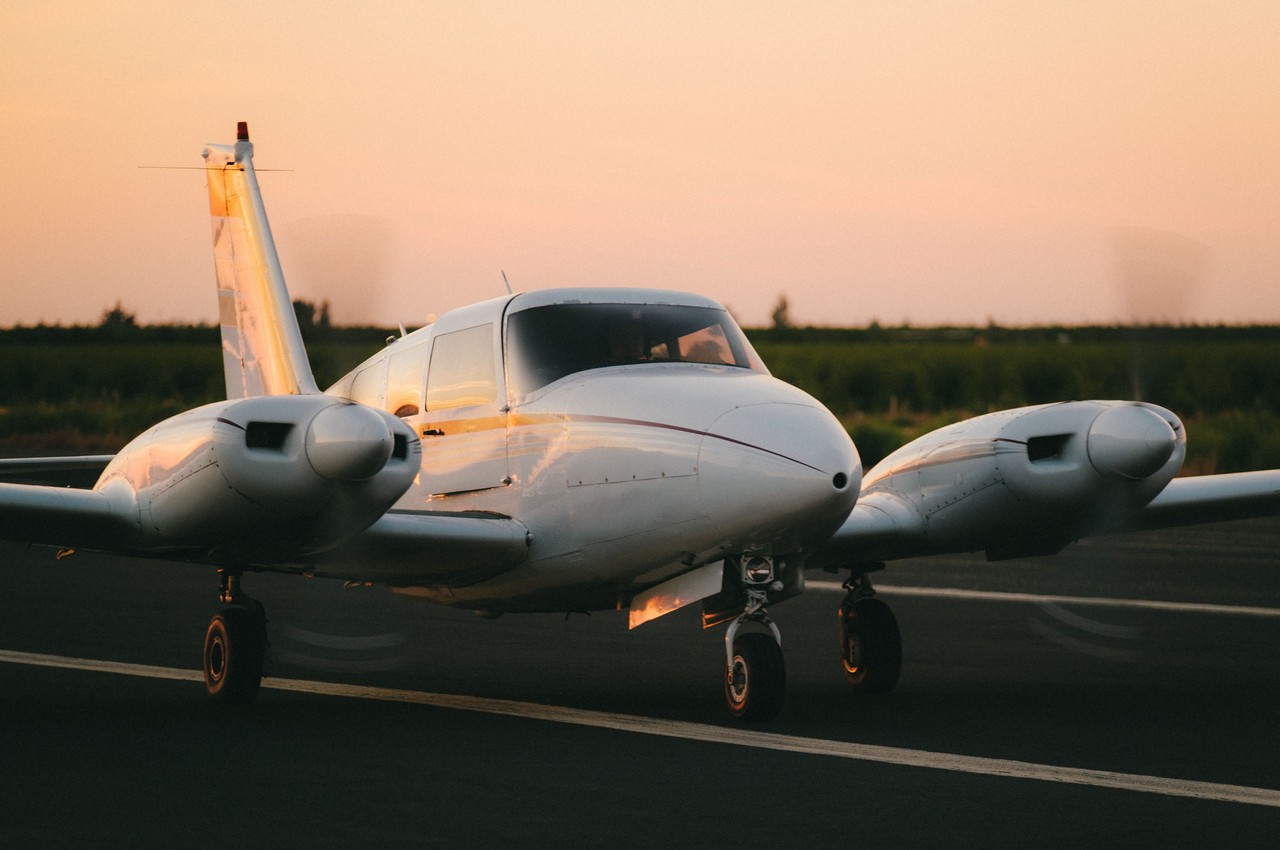
The PA-30 Twin Comanche emerged from Piper's desire to modernize its twin-engine offerings in the early 1960s. Engineering teams at Lock Haven adapted the successful single-engine PA-24 Comanche fuselage, stretching and modifying it to accommodate twin engines while maintaining the sleek lines that made the original Comanche popular. This approach simplified tooling requirements while delivering the sporty appearance that distinguished it from the utilitarian PA-23 Apache it was designed to replace.
The aircraft retained the PA-24's low-wing configuration and retractable tricycle landing gear, combining these features with two wing-mounted Lycoming IO-320-B1 engines. Each fuel-injected, air-cooled engine produced 160 horsepower, providing significantly better performance than the carbureted engines found in competing aircraft. The semi-monocoque aluminum construction offered durability while keeping empty weight to 2,210 pounds.
Production and Variants
Piper manufactured the Twin Comanche at its historic Lock Haven facility from 1963 to 1972, the same plant that had produced thousands of J-3 Cubs during World War II. The company offered several variants during the nine-year production run, including Standard, Custom, Sportsman, and Turbo models with varying interior appointments and avionics packages. In 1969, Piper introduced the PA-30C with an updated T-pattern instrument panel that modernized the cockpit layout.
The most significant variant was the PA-39, which featured counter-rotating propellers that eliminated the asymmetric thrust problems common to conventional twin-engine aircraft. This innovation provided balanced airflow and superior single-engine handling characteristics, making the PA-39 the most sought-after version among pilots.
Performance and Pilot Appeal
With a gross weight of 3,725 pounds, the Twin Comanche delivered impressive performance figures that attracted owner-pilots seeking speed and efficiency. The aircraft achieved a maximum speed of 205 mph and cruised at 194 mph, significantly faster than the Apache it replaced. Its initial climb rate of 1,460 feet per minute and service ceiling of 18,600 feet provided excellent single-engine performance, crucial for safety in a twin-engine aircraft.
The Twin Comanche's short-field capabilities impressed operators with a takeoff run of just 950 feet and landing roll of 700 feet. Combined with a 948-mile range from its fuel system, these characteristics made it ideal for accessing smaller airports while maintaining the speed advantage over single-engine aircraft on longer trips.
The Lock Haven Legacy
Piper Aircraft Corporation, founded by William T. Piper Sr. in 1927, had established Lock Haven as a center of general aviation manufacturing. The facility produced iconic aircraft including the J-3 Cub before transitioning to more sophisticated designs like the Comanche series. The company's expertise in efficient production methods enabled competitive pricing that helped the Twin Comanche capture significant market share among light twins.
Production totaled approximately 2,150 units when Tropical Storm Agnes struck Pennsylvania in June 1972. The resulting flood devastated the Lock Haven plant, destroying completed airframes, tooling, and manufacturing equipment. Rather than rebuild the Twin Comanche production line, Piper relocated operations to Vero Beach, Florida, and focused on other models including the PA-28 Arrow and PA-32 Cherokee series.
Service History and Impact
The Twin Comanche found its primary role in private ownership and general aviation operations rather than commercial airline service. Its four-seat configuration and high performance made it popular among business pilots and affluent private owners who needed the speed of a twin-engine aircraft without the operating costs of larger cabin-class twins.
Unlike many aircraft of its era, the PA-30 saw no military service, remaining focused on the civilian market throughout its production life. This specialization allowed Piper to optimize the design for private pilot operations, resulting in systems and procedures tailored to owner-operators rather than professional crews.
Current Status and Legacy
Hundreds of Twin Comanches remain active in the general aviation fleet today, testament to their robust construction and enduring appeal. The PA-39 variant with counter-rotating propellers commands premium prices on the used aircraft market, widely regarded as the finest example of the type. Owners appreciate the aircraft's combination of speed, efficiency, and classic 1960s styling that epitomized the golden age of general aviation.
The Twin Comanche's production total of 2,150 units, combined with the 4,834 single-engine Comanches built, established the Comanche family as one of Piper's most successful designs. While the 1972 flood ended production permanently, the aircraft's influence on light twin design continued through subsequent Piper models and competitor aircraft that adopted similar performance-oriented philosophies. Today, Piper Aircraft continues operations from Vero Beach, though the company never returned to the light twin market segment that the Twin Comanche once dominated.