
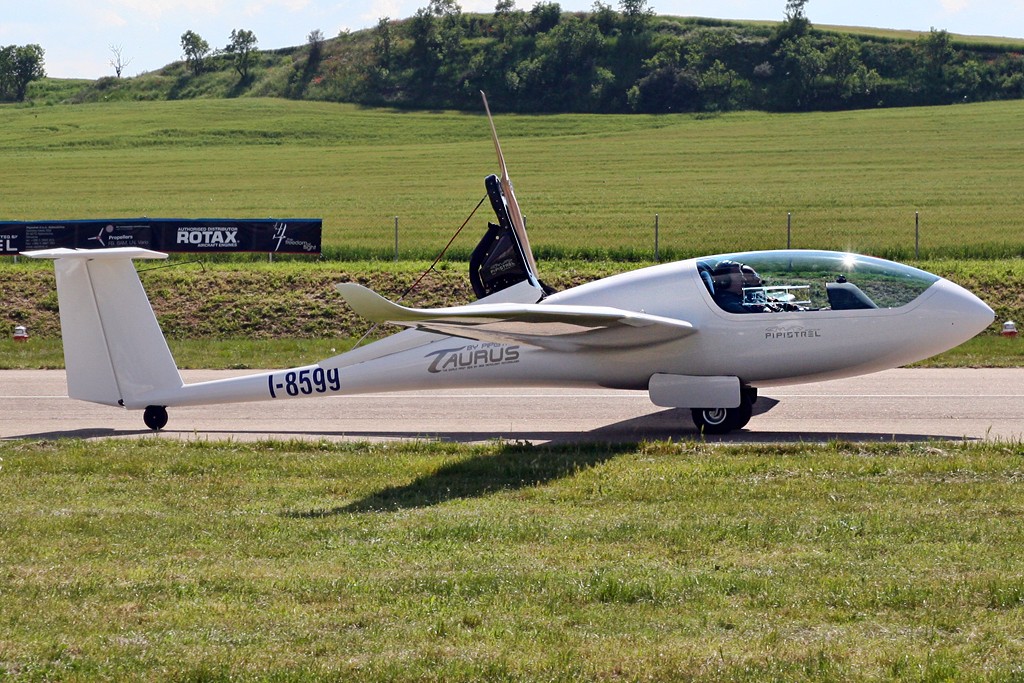
Breaking New Ground in Electric Aviation
When the Taurus Electro took to the skies in 2007, it represented more than just another aircraft variant—it marked the dawn of practical electric aviation. This groundbreaking achievement came after seven years of dedicated research and development that Pipistrel had initiated in 2000, positioning the Slovenian manufacturer at the forefront of sustainable aviation technology.
The aircraft's significance extended far beyond its technical specifications. As the world's first commercially available electric two-seat airplane in serial production, the Taurus Electro proved that electric propulsion could transition from experimental concept to market reality. This milestone laid the groundwork for an entire generation of electric aircraft that would follow.
Technical Evolution and Performance
Pipistrel engineers based the Taurus Electro on their successful Taurus M sailplane platform, replacing the traditional Rotax piston engine with cutting-edge electric propulsion. The initial 2007 version featured a 30 kW (40 horsepower) electric motor, providing clean, quiet operation that fundamentally changed the flying experience for pilots and passengers alike.
Recognizing the demand for improved performance, Pipistrel introduced an enhanced version in 2011 equipped with a more powerful 40 kW (54 horsepower) electric motor. This 35 percent power increase demonstrated the rapid advancement in electric motor technology and the manufacturer's commitment to continuous improvement.
The electric propulsion system offered several advantages over conventional powerplants. Pilots experienced dramatically reduced noise levels, eliminating the need for constant radio communication over engine noise. The absence of engine vibration created a smoother flight environment, while the electric motor's instant torque delivery provided responsive performance characteristics.
The Manufacturer's Journey
Pipistrel Aircraft's path to electric aviation leadership began decades before the Taurus Electro's first flight. The company received official authorization to produce aircraft in 1987, though it wasn't formally established until 1992. By 2004, Pipistrel had constructed its own manufacturing facility in Ajdovscina, Slovenia, providing the infrastructure necessary for innovative aircraft development.
The Taurus Electro emerged as part of a broader aircraft family that included the unpowered Taurus PureGlider, introduced in 2006. This systematic approach to variant development allowed Pipistrel to refine the basic design while exploring different propulsion concepts.
Since its founding in 1989, Pipistrel has delivered more than 2,500 light aircraft worldwide, establishing itself as a significant player in general aviation. The company's innovative work earned recognition from prestigious organizations, including NASA, which awarded Pipistrel for developing the Most-Efficient Aircraft and named one of their designs the Personal Air Vehicle of the Future.
In April 2022, Pipistrel joined the Textron family as part of Textron eAviation, providing additional resources and market reach for continued electric aircraft development. This acquisition ensured the company's continued operations and expansion of electric aviation technology.
Impact on Electric Aviation
The Taurus Electro's successful introduction validated electric propulsion as a viable alternative to conventional engines in general aviation. This pioneering aircraft demonstrated that electric motors could provide reliable, efficient operation while meeting the performance expectations of pilots and aircraft owners.
Pipistrel's electric aviation expertise, developed through the Taurus Electro program, later contributed to the Velis Electro's achievement as the world's first electric aircraft to receive full type-certification from the European Union Aviation Safety Agency on May 18, 2020. The Velis Electro subsequently obtained a light-sport aircraft airworthiness exemption from the Federal Aviation Administration, further validating Pipistrel's electric propulsion technology.
Design Philosophy and Innovation
The Taurus Electro's development reflected Pipistrel's methodical approach to aircraft design and innovation. By utilizing the proven Taurus sailplane airframe, engineers could focus their efforts on perfecting the electric propulsion system rather than developing an entirely new aircraft structure.
This design strategy proved particularly effective for electric aircraft development, where battery weight and motor efficiency significantly impact overall performance. The sailplane heritage provided an aerodynamically efficient platform that maximized the electric propulsion system's capabilities.
Legacy and Future Impact
While specific production numbers for the Taurus Electro remain undisclosed, its historical significance far exceeds any numerical measure. As the first production electric aircraft, it established the technical and commercial foundation that enabled subsequent electric aviation developments worldwide.
The aircraft's success encouraged other manufacturers to pursue electric propulsion technology, contributing to the growing electric aviation sector that continues expanding today. Major aerospace companies now invest billions of dollars in electric and hybrid-electric aircraft development, following the path that Pipistrel pioneered with the Taurus Electro.
Today, the Taurus Electro stands as a landmark achievement in aviation history—the aircraft that proved electric flight could transition from experimental curiosity to commercial reality, opening the skies to a new era of sustainable aviation.