
Design Innovation and Development
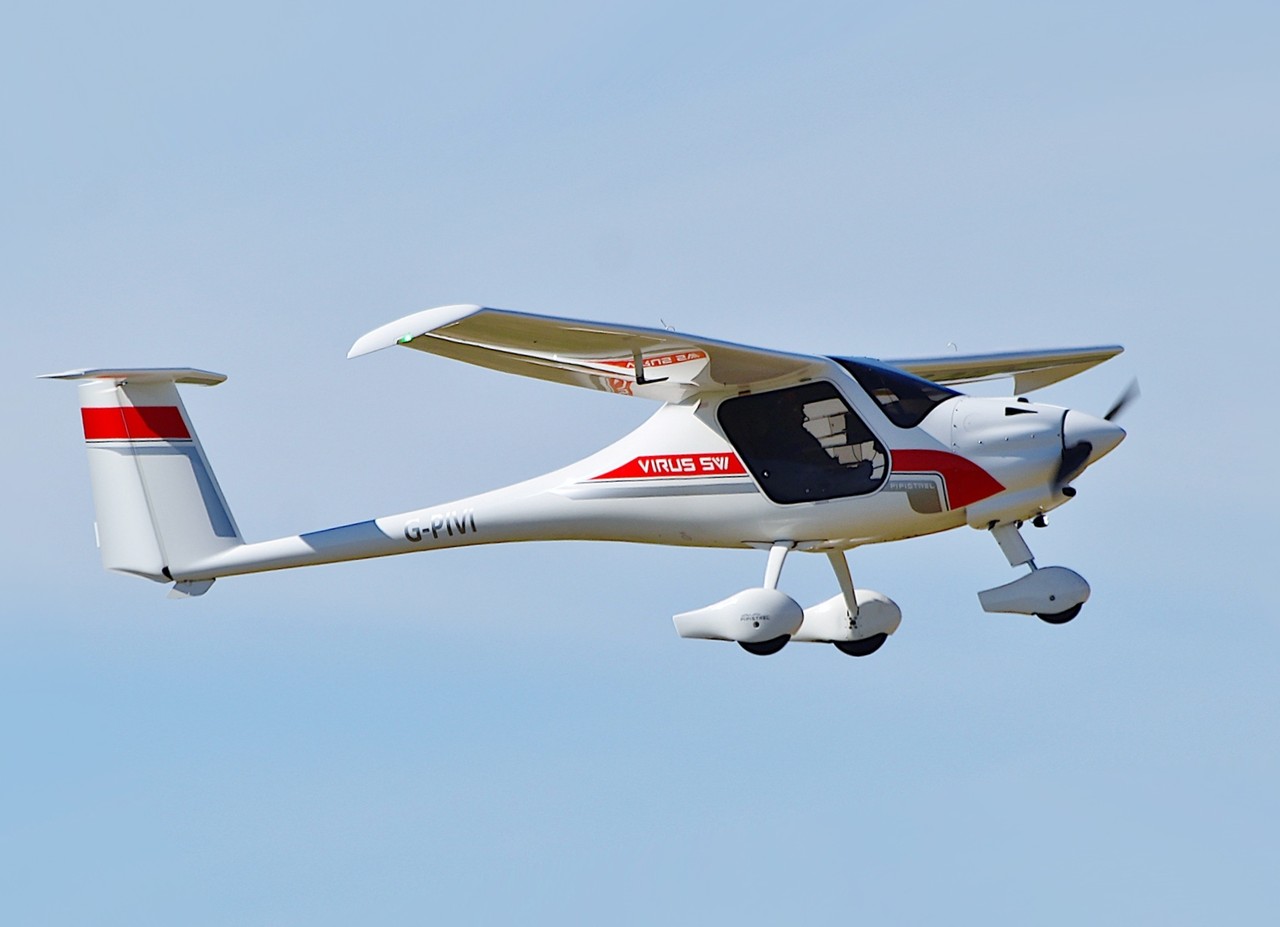
The Pipistrel Virus emerged from the visionary work of Ivo Boscarol and his engineering team at Pipistrel, building upon their groundbreaking Sinus motorglider that had become the first serially-built ultralight constructed from composite materials in the mid-1990s. The Virus prototype took to the skies in 1997, representing a short-winged evolution of the Sinus design optimized for pure flying rather than soaring capabilities.
Boscarol's design philosophy centered on maximizing efficiency through advanced composite construction techniques that Pipistrel pioneered in the microlight and light sport aircraft industry. The Virus utilized modern materials and manufacturing processes that set new standards for ultralight aircraft performance and durability.
Production Success and Market Impact
When Pipistrel launched mass production of the Virus in 2000, the aircraft quickly established itself as a dominant force in the light sport aviation market. By June 2016, Pipistrel had manufactured 800 combined examples from the Virus and Sinus series, with production accelerating to exceed 900 aircraft by May 2018. The 1000th aircraft from the Virus and Sinus family rolled off the production line by March 2019, marking a significant milestone for the Slovenian manufacturer.
The aircraft's commercial success contributed to Pipistrel's global expansion, with the company establishing a distribution network spanning 100 countries. More than 2,200 Pipistrel aircraft of all types now operate on every continent, demonstrating the worldwide appeal of the Virus design philosophy.
Military Training Applications
The Virus achieved a major breakthrough in military aviation training when Pipistrel secured an international tender from the Indian Ministry of Defence in October 2015. This contract called for delivery of 194 Pipistrel Virus SW 80 trainers to the Indian Air Force, Indian Navy, and National Cadet Corps, representing the largest single military order in the aircraft's history and validating its capabilities as a primary trainer.
The military variant's selection highlighted the Virus's reliability, cost-effectiveness, and suitability for ab initio pilot training, qualities that made it attractive to air forces seeking modern, economical training solutions.
The Manufacturer's Evolution
Pipistrel d.o.o Ajdovščina traces its origins to 1989 when Ivo Boscarol founded the company, though official registration occurred on November 18, 1992. Operating from facilities in Ajdovščina, Slovenia, and near Gorizia, Italy, the company evolved from a small garage operation into a world-renowned aircraft manufacturer employing approximately 250 people.
The company's innovative approach to aviation earned recognition through victories in all three NASA challenges and multiple global awards for technological advancement. Pipistrel's reputation for pioneering electric and hybrid-electric aircraft development made it an attractive acquisition target.
In March 2022, aerospace giant Textron entered an agreement to acquire Pipistrel for $235 million, completing the purchase in April 2022. The acquisition formed Textron eAviation, a new division focused on electric aviation, while Pipistrel retained its brand identity, headquarters, and operations in Slovenia and Italy. Boscarol remained involved as Chairman Emeritus and minority shareholder.
Technical Characteristics and Performance
The Virus incorporates advanced composite construction throughout its airframe, utilizing materials and techniques that provide exceptional strength-to-weight ratios. This construction methodology allows the aircraft to achieve impressive performance figures while maintaining the light weight necessary for ultralight certification in many jurisdictions.
Pipistrel has produced multiple variants of the Virus featuring different engines and wingspans to meet diverse customer requirements and regulatory frameworks across international markets. The company established partnerships with established engine manufacturers, including Rotax, to provide reliable powerplant options for the Virus lineup.
Global Operations and Current Status
The Virus continues as an active production model within Pipistrel's current lineup of 12 different aircraft types. The aircraft serves civilian training schools, recreational pilots, and military training organizations worldwide, demonstrating the versatility of the basic design.
By March 2019, Pipistrel had manufactured more than 2,000 aircraft across all product lines, with the Virus family representing a significant portion of this production total. The aircraft's ongoing production under the Textron eAviation umbrella ensures continued development and support for operators worldwide.
Legacy and Innovation Leadership
The Pipistrel Virus stands as a testament to innovative design and manufacturing in the light aircraft sector. Its success helped establish Pipistrel as a pioneer in composite aircraft construction and positioned the company at the forefront of electric aviation development. The aircraft's combination of modern materials, efficient design, and practical utility created a template that influenced subsequent light sport aircraft development throughout the industry.
The Virus family's achievement of reaching 1,000 production examples demonstrates the enduring appeal of well-executed aircraft design that meets real-world operational requirements while incorporating advanced manufacturing techniques.