
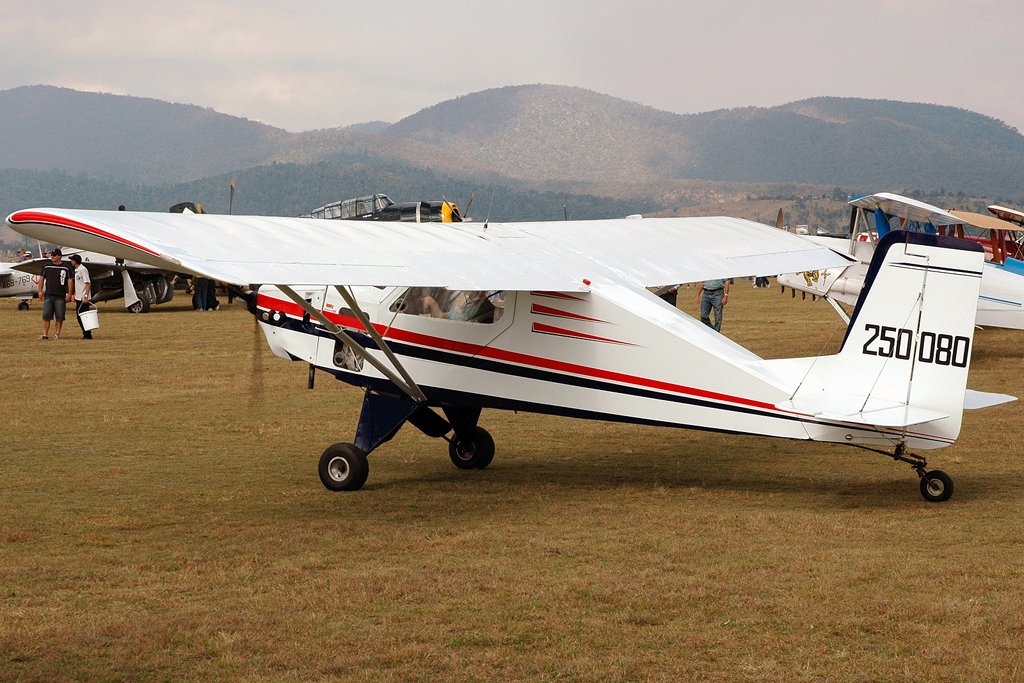
Development and Design Philosophy
The Pocket Rocket PR-582 emerged from Howard Hughes Engineering's transition into aircraft manufacturing following Australia's liberalized ultralight regulations in 1985. The company, originally established in the mid-1970s as a boat-building and general engineering firm in West Ballina, Australia, recognized the opportunities presented by the country's new aviation rules that opened pathways for recreational aircraft development.
Howard Hughes Engineering distinguished itself in the Australian ultralight market through its commitment to welded 4130 steel tubing construction, departing from the more common aluminum and Dacron sailcloth approaches favored by many contemporaries. This construction philosophy reflected the company's engineering background and emphasized structural durability over minimum weight considerations.
The Manufacturer's Evolution
The company's aircraft development program began in earnest with the LightWing GR532, which achieved Civil Aviation Safety Authority acceptance on September 29, 1986, establishing Howard Hughes Engineering's credibility in the aviation sector. This success provided the foundation for expanding their product line to include various configurations, with the Pocket Rocket PR-582 representing their biplane offering within a diverse catalog.
By 1995, Howard Hughes Engineering had relocated to the Ballina Byron Gateway Airport industrial park, positioning themselves strategically within Australia's aviation infrastructure. This move coincided with their continued aircraft development, including models like the GR 582, GR 912, ALW Sport, and various speed-oriented designs designated SP-2000, SP-4000, and SP-6000.
Technical Approach and Innovation
The Pocket Rocket PR-582's biplane configuration placed it among the more traditional designs in Howard Hughes Engineering's portfolio, contrasting with their high-wing monoplane offerings like the GR series and parasol wing designs such as the PR Breeze. The biplane layout offered specific advantages in terms of structural efficiency and wing loading characteristics, particularly relevant for recreational flying applications where gentle handling characteristics often took precedence over maximum performance.
The company's steel tube construction methodology, while adding weight compared to aluminum alternatives, provided enhanced durability and repairability—significant considerations for aircraft likely to operate from rough airstrips or face the rigors of training operations. This construction approach also aligned with traditional aircraft building techniques, potentially simplifying maintenance and modification requirements.
Diversification and Business Strategy
Howard Hughes Engineering's business model extended well beyond aircraft manufacturing, demonstrating the diversified approach necessary for smaller aviation companies to maintain viability. The company's portfolio included electric vehicle development with their Hughes Engineering Road-e, flight simulator systems, marine applications including the Cunning Cat 30-foot sailboat, and various industrial products such as CAD/CAM tables.
The company also developed software solutions, including telephone messaging systems and payroll programs, showcasing their engineering capabilities across multiple technological domains. This diversification strategy provided revenue streams that could support continued aircraft development during periods when aviation sales might fluctuate.
Market Position and Legacy
Within Australia's ultralight and light-sport aircraft market, the Pocket Rocket PR-582 occupied a specific niche appealing to pilots seeking traditional biplane flying characteristics combined with modern construction standards. The aircraft competed in a market that included both imported designs and other Australian-developed ultralights, with success often dependent on factors including price, performance, and manufacturer support.
Several of Howard Hughes Engineering's designs, including the SP-2000, achieved international recognition through FAA acceptance as light-sport aircraft, indicating the company's capability to meet diverse regulatory requirements. This regulatory success demonstrated that their engineering approaches, including the steel tube construction used in the Pocket Rocket, could satisfy safety and performance standards across different aviation authorities.
Production and Current Status
Specific production numbers for the Pocket Rocket PR-582 remain undocumented, reflecting the limited record-keeping common among smaller ultralight manufacturers of the era. The aircraft's production timeline likely extended through the late 1980s and into the 1990s, coinciding with Australia's ultralight market expansion and the company's operational period at Ballina Byron Gateway Airport.
The current status of Howard Hughes Engineering remains unclear, with no definitive information available regarding continued operations, ownership changes, or successor organizations. This uncertainty reflects the volatile nature of the light aircraft manufacturing sector, where many innovative designs and capable manufacturers faced challenges in maintaining long-term viability despite producing technically sound aircraft.