
Service History
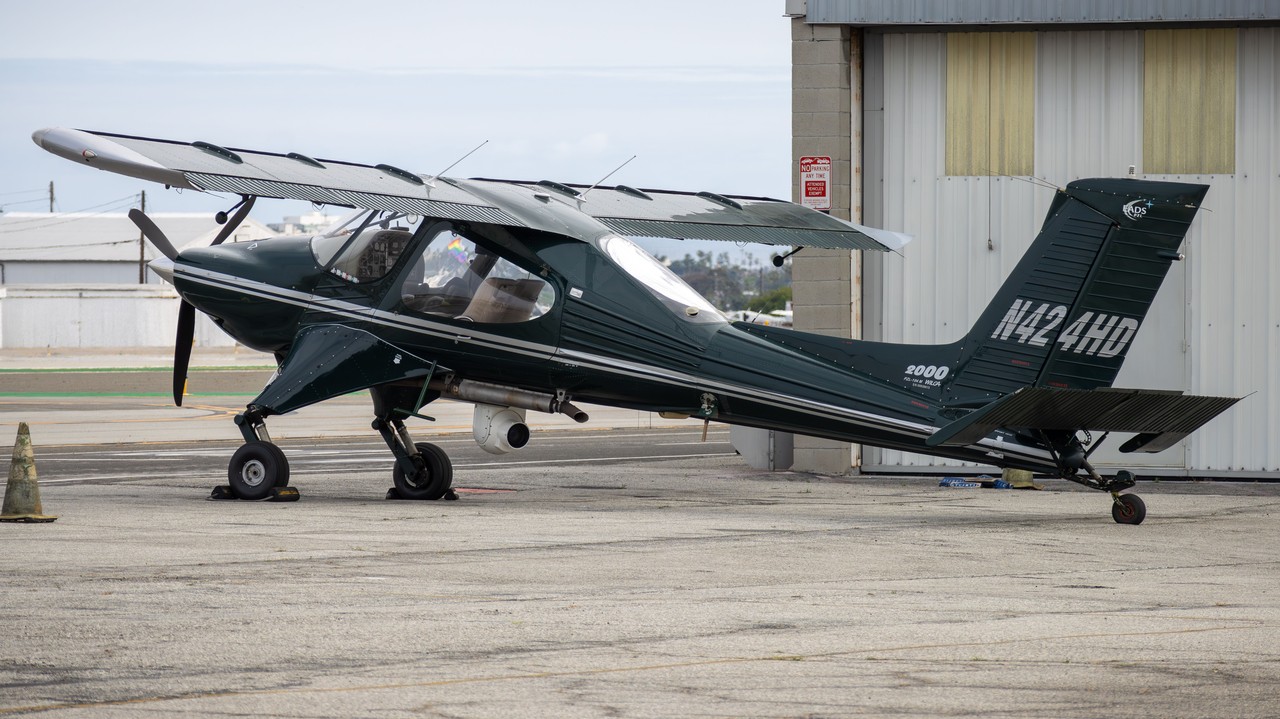
The PZL-104M Wilga 2000 emerged as the culmination of Poland's most successful aircraft program, part of a family that achieved over 1,000 units produced between 1962 and 2006. This remarkable production run established the Wilga series as the most-produced Polish aircraft design in history, with approximately 935 aircraft built to the earlier Wilga 35 and 80 standards before the advanced 2000 series entered production in 1998.
Civil operators primarily utilized the Wilga 2000 for flight training, glider towing, and general aviation missions. The aircraft's exceptional short takeoff and landing capabilities made it particularly valuable for operations at smaller airfields and in challenging terrain. Military services also employed the type as a liaison and training aircraft, though in smaller numbers than civilian operators.
The Manufacturer
PZL Warszawa-Okęcie traced its origins to 1928, establishing itself as Poland's premier aircraft manufacturer. The company endured significant disruption during World War II when German forces converted the facilities into a maintenance and repair center from 1939 to 1945. Post-war reconstruction began in 1946 with the formation of Central Aircraft Studies, which evolved into the Transport Equipment Plant (WSK OKĘCIE) in 1948.
The company underwent several reorganizations before becoming PZL "Warszawa-Okęcie" on September 22, 1989. This independence proved short-lived, as the European Aeronautic Defence and Space Company (EADS) acquired the manufacturer in 2001, taking control of Wilga production during its final years. EADS, now known as Airbus Defence and Space, terminated the program in 2006, surprising international dealers who reported strong continuing demand for the four-seat aircraft.
Engine & Technical Details
The Wilga 2000's most significant advancement centered on its powerplant selection. Unlike earlier variants that relied on Polish WN-6RB engines producing 220 horsepower or Soviet Ivchenko AI-14R radial engines generating 260 horsepower, the 2000 series featured the American Lycoming O-540 engine. This six-cylinder, air-cooled, horizontally-opposed powerplant delivered 300 horsepower, representing a substantial increase in available power.
This engine upgrade enabled impressive performance specifications, including a cruise speed of 114 knots at 75 percent power and a maximum range of 1,000 nautical miles. The aircraft achieved a service ceiling of 11,500 feet with a best rate of climb at sea level of 925 feet per minute. Perhaps most importantly for its STOL mission, the Wilga 2000 required only 676 feet for takeoff ground roll and could clear a 50-foot obstacle in 1,145 feet.
Design Innovations
Beyond the engine upgrade, the Wilga 2000 incorporated numerous refinements over its predecessors. Engineers redesigned the wing to increase fuel capacity, extending useful fuel capacity to 100 gallons and providing an estimated endurance of seven hours. The AlliedSignal-Bendix avionics suite modernized the cockpit environment, while aerodynamic improvements included fairings around the fixed tailwheel landing gear configuration.
The aircraft's three-blade Hartzell propeller efficiently converted the Lycoming engine's power into thrust. Internal accommodations provided a cabin width of 3 feet 7 inches and height of 3 feet 10 inches, with baggage capacity of 66 pounds per cubic foot. At a 1998 base price of $211,595, the Wilga 2000 competed in the premium segment of the four-seat aircraft market.
Specialized Variants
PZL developed several specialized derivatives of the basic Wilga 2000 design. The PZL-104MW variant served border patrol missions, while the PZL-104MW Hydro represented a floatplane configuration that first flew on December 19, 1999. These variants demonstrated the design's adaptability to diverse operational requirements beyond standard land-based operations.
Performance Characteristics
Pilots appreciated the Wilga 2000's forgiving handling characteristics and impressive short-field performance. The aircraft's empty weight of 1,980 pounds and maximum gross weight of 3,306 pounds provided a useful load of 1,326 pounds. Landing performance proved even more impressive than takeoff capabilities, requiring only 282 feet for ground roll.
Fuel consumption at 75 percent power averaged 14.4 gallons per hour, supporting the aircraft's 1,000-nautical-mile range capability. The type's 167 square feet of wing area contributed to its excellent low-speed handling characteristics essential for training and STOL operations.
Production End and Legacy
The cessation of Wilga 2000 production in 2006 marked the end of a 44-year continuous production run that began with the original prototype's first flight on April 24, 1962. Despite reports of strong market demand, EADS elected to discontinue the program as part of broader corporate restructuring.
Numerous examples of the PZL-104 Wilga family remain active today, testament to the design's durability and continued utility. The aircraft's legacy as Poland's most successful indigenous aircraft design endures, representing a significant achievement in the nation's aviation history and demonstrating the enduring value of well-executed STOL aircraft design principles.