
Origins in the Ultralight Revolution
The Raz-Mut emerged during a pivotal period in recreational aviation when hang gliding enthusiasts across North America began experimenting with motorized flight. Jean St-Germain conceived his design around 1975 as part of this grassroots movement that would fundamentally reshape private flying. Unlike traditional aircraft manufacturers, St-Germain operated as an individual inventor rather than establishing a formal company, reflecting the cottage industry nature of early ultralight development.
Design Philosophy and Construction
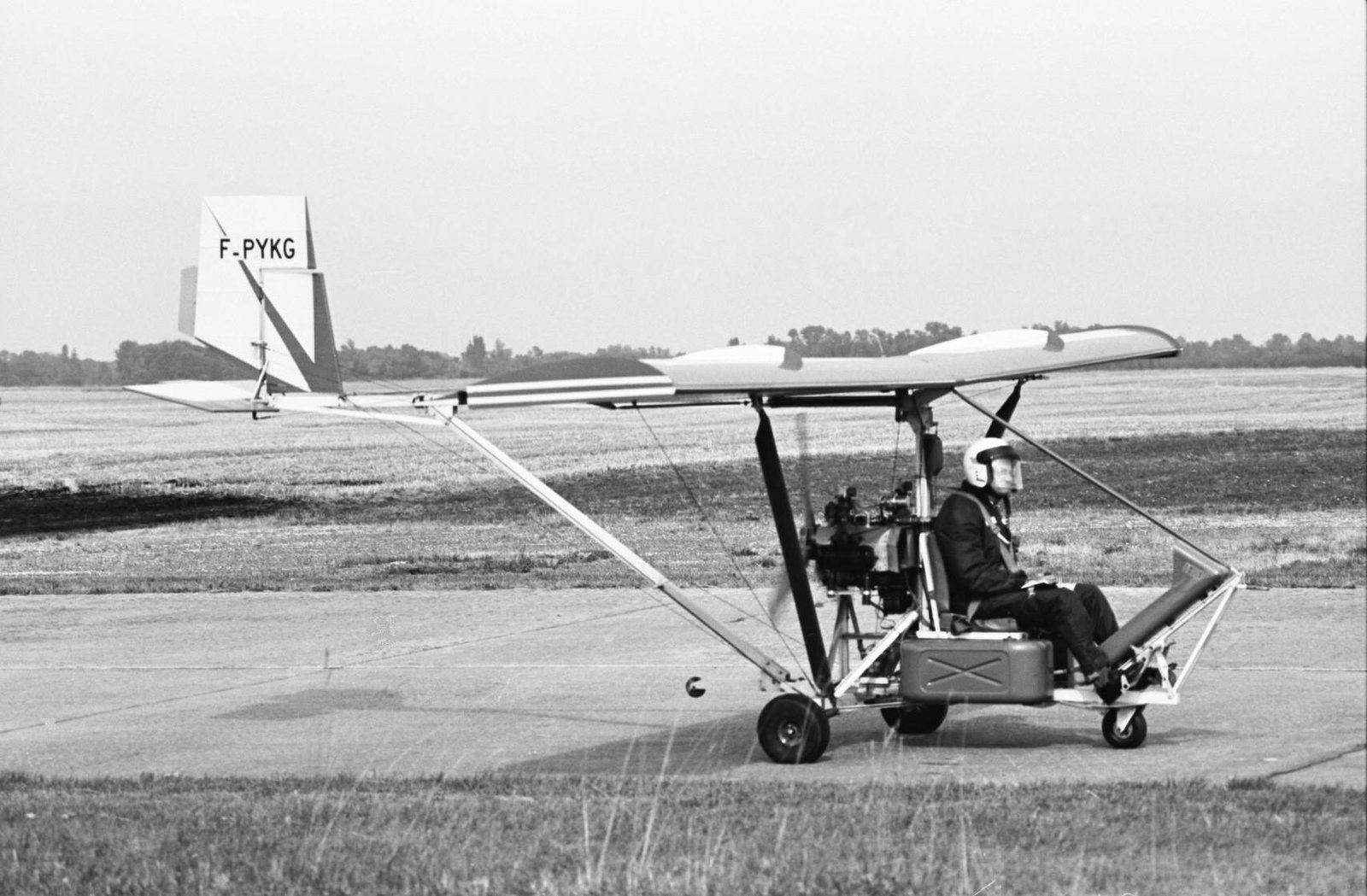
St-Germain's approach emphasized simplicity and affordability, targeting aviation enthusiasts who sought an accessible entry point into powered flight. The Raz-Mut's design drew inspiration from early 20th-century flying machines, featuring the skeletal framework and minimal structure characteristic of powered hang gliders. This aesthetic choice aligned with the prevailing philosophy among ultralight pioneers who prioritized weight reduction and construction simplicity over conventional aircraft refinement.
The aircraft's kit-based marketing strategy addressed the financial constraints facing recreational pilots in the 1970s. By providing plans and components for homebuilding, St-Germain enabled enthusiasts to construct their own aircraft while gaining intimate knowledge of its systems and structure. This hands-on approach fostered a community of builder-pilots who shared technical knowledge and modifications.
Regulatory Challenges
The Raz-Mut's development coincided with regulatory uncertainty surrounding ultralight aircraft in Canada. When Department of Transport inspectors evaluated St-Germain's creation, they declared it unfit for flight operations, highlighting the tension between innovative designs and established airworthiness standards. This rejection prompted St-Germain to travel to either Toronto or Ottawa to formally protest the decision, demonstrating his commitment to advancing ultralight aviation despite bureaucratic obstacles.
The regulatory conflict reflected broader challenges facing the ultralight community during this formative period. Traditional aviation authorities struggled to develop appropriate oversight frameworks for aircraft that defied conventional categories, often applying standards designed for heavier, more complex machines to simple recreational vehicles.
Technical Characteristics
While specific performance data remains undocumented, the Raz-Mut incorporated design elements typical of mid-1970s ultralights. Its designation as a "Moto-Plane" suggests the use of a modified motorcycle engine, a common powerplant choice among early ultralight builders who adapted automotive and motorcycle engines for aviation use. This approach provided reliable, affordable propulsion while maintaining the weight constraints essential for ultralight performance.
The single-seat configuration maximized the aircraft's power-to-weight ratio while minimizing structural complexity. St-Germain's design likely featured the high-wing layout favored by ultralight designers for its inherent stability and forgiving flight characteristics, though specific configuration details are not preserved in available records.
Impact on Canadian Aviation
Despite its limited production scope, the Raz-Mut contributed to Canada's participation in the international ultralight movement. The aircraft represented Canadian ingenuity during a period when European and American designers dominated ultralight development. St-Germain's work helped establish Canada as a participant in the emerging recreational aviation sector that would eventually evolve into today's light sport aircraft category.
The project's homebuilt nature reflected the democratic ideals of the ultralight movement, which sought to return aviation to individual builders and pilots rather than large manufacturers. This grassroots approach fostered innovation and experimentation that influenced subsequent ultralight designs.
Legacy and Historical Significance
The Raz-Mut's historical importance lies not in production numbers or operational achievements, but in its representation of a transformative period in recreational aviation. The aircraft embodied the experimental spirit that drove ultralight development during the crucial years of 1975-1976, when powered hang gliders evolved from crude experiments into viable aircraft.
St-Germain's work contributed to the foundation of modern ultralight aviation, even though regulatory challenges limited the design's immediate impact. The lessons learned from projects like the Raz-Mut informed subsequent regulatory frameworks and design standards that enabled the ultralight category to flourish in later decades.
Today, no known examples of the Raz-Mut survive in museums or private collections, reflecting the ephemeral nature of many early ultralight projects. However, its place in Canadian aviation history remains secure as part of the pioneering generation that democratized powered flight and inspired countless recreational pilots to build and fly their own aircraft.