
Design and Development
Murphy Aircraft Manufacturing Ltd. developed the Rebel in 1985 as their flagship design, targeting pilots who needed reliable access to remote airstrips and unimproved landing areas. The company, founded by Darryl Murphy in Chilliwack, British Columbia, focused specifically on STOL (Short Takeoff and Landing) bush planes that could operate from marginal airfields where conventional aircraft could not venture.
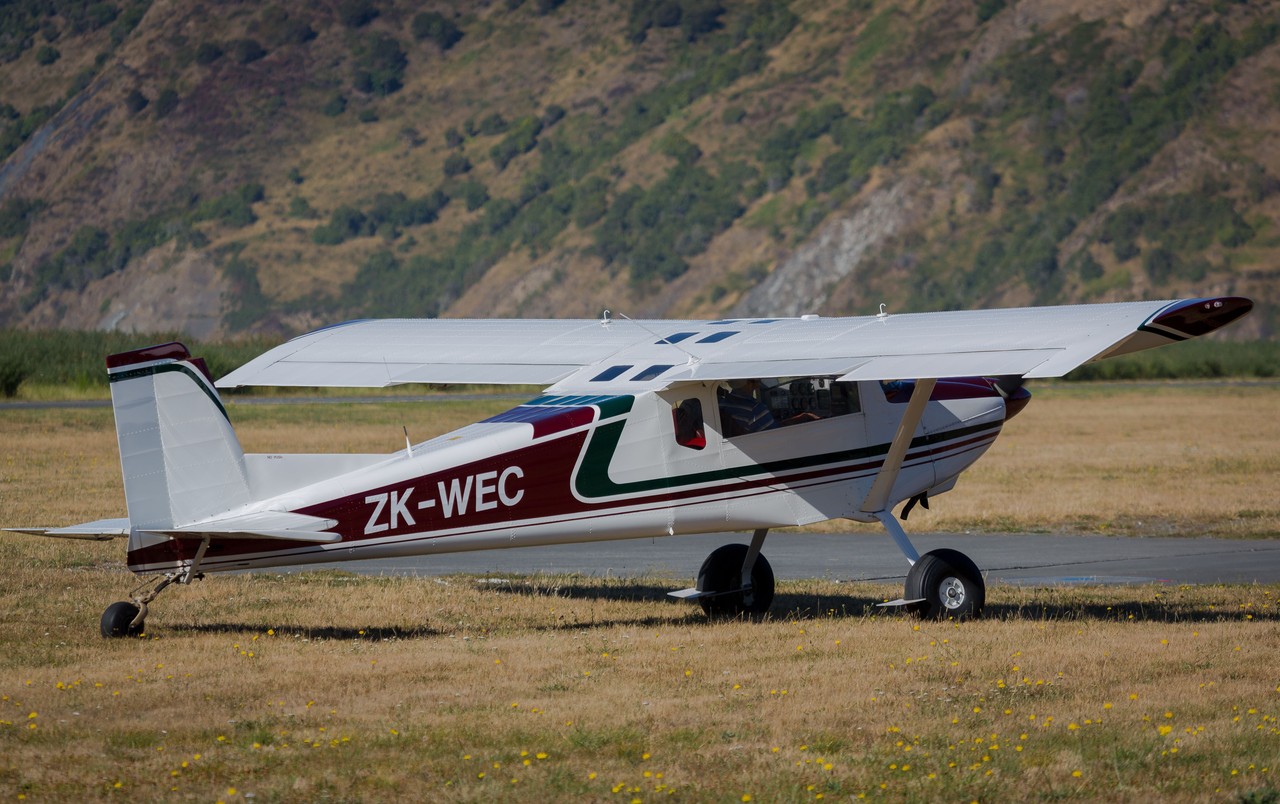
The Rebel's design philosophy centered on rugged simplicity and exceptional short-field performance. Engineers equipped the aircraft with a strut-braced high wing featuring a modified NACA 4415 airfoil spanning 149 square feet. This wing configuration, combined with conventional taildragger landing gear, provides the low-speed handling characteristics essential for bush flying operations. The all-aluminum construction offers durability while remaining within the skills of amateur builders.
Engine Options and Performance
Murphy Aircraft recommended several powerplant options to suit different operational needs and budgets. The 160-horsepower Lycoming O-320 serves as the standard engine, providing a maximum speed of 140 mph and cruise speed of 120 mph. For builders seeking lower initial costs, the 116-horsepower Lycoming O-235 offers adequate performance, while the 80-horsepower Rotax 912 provides fuel efficiency with acceptable performance margins. The Continental IO-240-B, producing 125 horsepower, rounds out the approved engine list.
Company testing revealed that engines below 100 horsepower deliver poor performance, making the Rotax 912 the practical minimum powerplant. With the recommended O-320 engine, the Rebel achieves a service ceiling adequate for mountain flying, a range of 733 miles, and endurance of 6.1 hours—specifications that enable serious cross-country bush flying missions.
Production Success and Market Impact
Since 1985, Murphy Aircraft has sold approximately 3,000 kits across all their models, with roughly half completed to flying status. Industry estimates suggest 300 to 400 Rebels currently maintain active flying status worldwide, representing a significant portion of the amateur-built STOL aircraft population. This completion rate reflects both the design's buildability and the commitment of the bush flying community.
The Rebel's success spawned an entire family of Murphy aircraft. In 1993, the company introduced the smaller Maverick, featuring 80 horsepower, 85 mph cruise speed, and 1,800-pound maximum weight. The four-seat Super Rebel followed in 1995, with its prototype first flying in November of that year. Powered by engines ranging from 180 to 250 horsepower, including the 250-horsepower Lycoming O-540, the Super Rebel cruises at 145 mph with a 3,000-pound gross weight capacity.
Global Operations
Rebel aircraft have found homes across multiple continents, with notable concentrations in regions where bush flying remains essential transportation. New Zealand operators have embraced the type, with documented examples including ZK-SPC (construction number 114M), built by a St. Paul's Collegiate group and first flown on April 24, 1999. Another New Zealand Rebel, ZK-WRM (construction number 578E), equipped with a Lycoming O-360, achieved first flight on December 19, 2012.
In the United States, registered aircraft like N2913 continue active operations, while Canadian builders have maintained strong interest in their domestic design. One Canadian Rebel, registration C-GSYV, achieved recognition at EAA AirVenture 2023, winning a Bronze Lindy award after a meticulous 3,000-hour construction project that began in 2021.
Manufacturing Evolution
Murphy Aircraft Manufacturing weathered significant changes in 2022 when the company changed ownership through acquisition. However, operations continued under the Murphy Aircraft name, with sales director Steve Drinkwater expressing optimism about future prospects. This transition ensured continued kit availability and support for the substantial population of flying aircraft and builders with projects in progress.
The company's longevity—operating continuously since 1985—reflects both sound business practices and genuine market demand for capable amateur-built STOL aircraft. While the four-seat Super Rebel ended production by 2008, the original Rebel design continues attracting builders who prioritize simplicity, performance, and proven reliability.
Legacy and Current Status
The Murphy Rebel represents a significant milestone in kit aircraft development, proving that amateur builders could successfully complete sophisticated STOL aircraft capable of serious bush flying missions. Its 40-year production run has created a substantial global fleet, supported by an active community of builders and operators who continue expanding the type's operational envelope.
Today's flying Rebels serve diverse missions from recreational flying to essential transportation in remote areas, validating the original design philosophy that prioritized practical utility over speed or complexity. The aircraft's continued production and strong completion rates demonstrate enduring appeal among pilots who value short-field capability and rugged reliability above conventional performance metrics.