
Design and Development
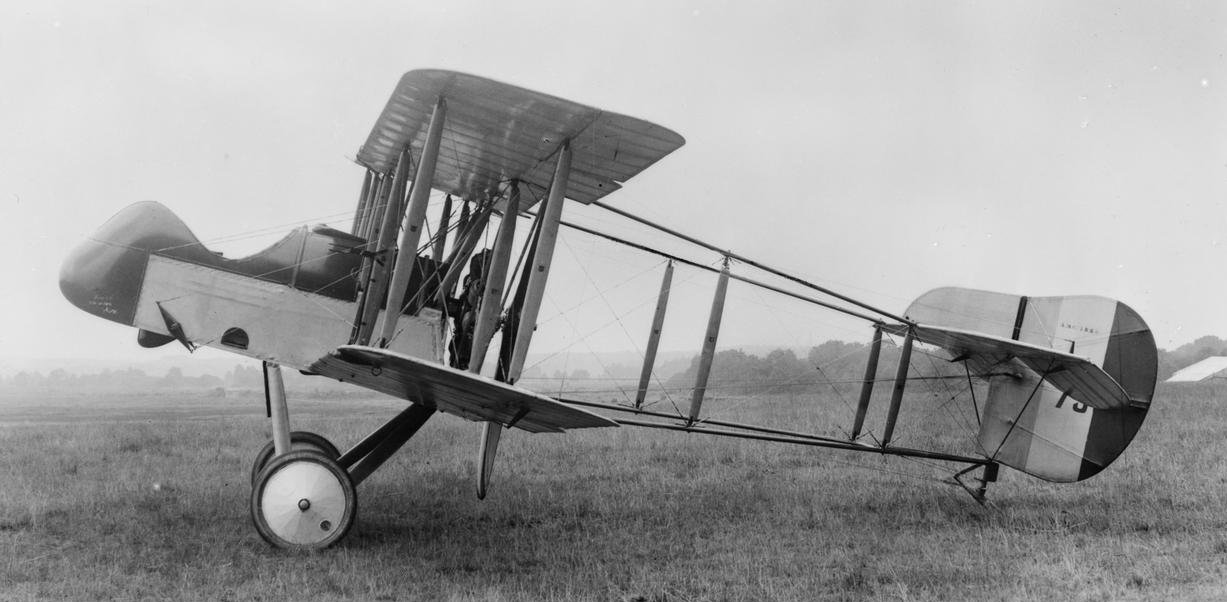
Walter M. Redfern undertook his DH-2 replica project in 1970 to preserve one of aviation's most significant fighter aircraft designs. The original Airco DH.2, which served with seven Royal Flying Corps squadrons during World War I and helped counter the "Fokker Scourge" of 1915-1916, had completely disappeared from existence. Redfern's engineering background enabled him to modernize the design while maintaining its essential character as a pusher-configuration biplane fighter.
The Redfern version incorporated modern materials including 4130 chrome-moly steel tubing for the fuselage pod, replacing the original's wooden structure for enhanced durability. This steel framework supported the characteristic open lattice tail boom that housed the pusher propeller configuration. Redfern retained the original's unique forward-firing capability philosophy while adapting the airframe for contemporary engines producing 25 to 50 more horsepower than the original's 100-110 hp powerplant.
The Manufacturer
The Walter Redfern Company operated from Post Falls, Idaho, beginning in 1970 when Redfern completed his first DH-2 replica in Seattle, Washington. Redfern had previously pioneered replica plans for other World War I aircraft including the Fokker Dr.1 triplane and Nieuport 24, establishing expertise in translating historic designs for modern homebuilders. The company distributed construction plans rather than completed aircraft or kits, enabling amateur builders to construct their own examples.
By 1998, the company reported ten completed and flying aircraft, representing the entire population of DH-2 type aircraft worldwide. The Walter Redfern Company remained active through 1998, though no evidence suggests current operations. Plans may continue circulating among homebuilding communities, ensuring the design's survival.
Engine and Performance
The standard powerplant for Redfern DH-2 replicas was the Kinner B-5, a five-cylinder radial engine producing 125 horsepower. Kinner Engines manufactured thousands of radial engines from the 1920s through 1940s for light aircraft applications before ceasing operations after World War II. The B-5's reliability and appropriate power output made it ideal for pusher replica applications.
With the Kinner B-5 installation, the DH-2 replica achieved a maximum speed of 95 mph and cruising speed of 75 mph. The design's light wing loading enabled a remarkably low stall speed of 45 mph, contributing to exceptional short-field performance. At sea level with no wind, the aircraft required only 100 feet for takeoff and 300 feet for landing, making it suitable for small airfields and demonstration flights.
Pilot Experience
The DH-2's pusher configuration provided pilots with unobstructed forward visibility and maintained the original design's agile handling characteristics. The open cockpit and biplane layout delivered an authentic World War I flying experience while modern materials and construction techniques ensured structural integrity. Range of 250 miles enabled cross-country flights for airshow demonstrations and recreational flying.
The aircraft's docile handling characteristics and forgiving stall behavior made it accessible to experienced homebuilders and warbird pilots. The pusher propeller arrangement eliminated propwash over the wings and cockpit, reducing noise and vibration for the pilot while providing the distinctive sound signature of historic pusher fighters.
Legacy and Preservation
Several Redfern DH-2 replicas continue flying worldwide, representing the only airworthy examples of the DH.2 design concept. One significant example resides at the Omaka Aviation Heritage Centre in Blenheim, New Zealand, where it has been viewed by over 500,000 visitors during nearly 20 years of display. This aircraft occasionally participates in flying demonstrations at Omaka Aerodrome, providing audiences with the rare opportunity to witness pusher fighter operations.
The Redfern DH-2 project succeeded in its primary objective of preserving an important chapter of aviation history. As no original Airco DH.2 aircraft survived, these replicas serve as the sole flying representatives of the design that helped establish air superiority during World War I's crucial early period. The aircraft continues appearing at airshows and aviation events, educating new generations about the pusher fighter era and the innovative solutions early aviation pioneers developed for aerial combat.