
Development and Design
The RangeR emerged from the Dutch Aeroplane Company's effort to modernize the Lucas Dieselis, a French amateur-built design that had first taken to the air in September 1998. DAC's engineers completed their prototype in 2003, conducting extensive testing before the official maiden flight three years later. The development process reflected the company's commitment to advancing diesel engine applications in light aircraft, a relatively uncommon approach in general aviation during the early 2000s.
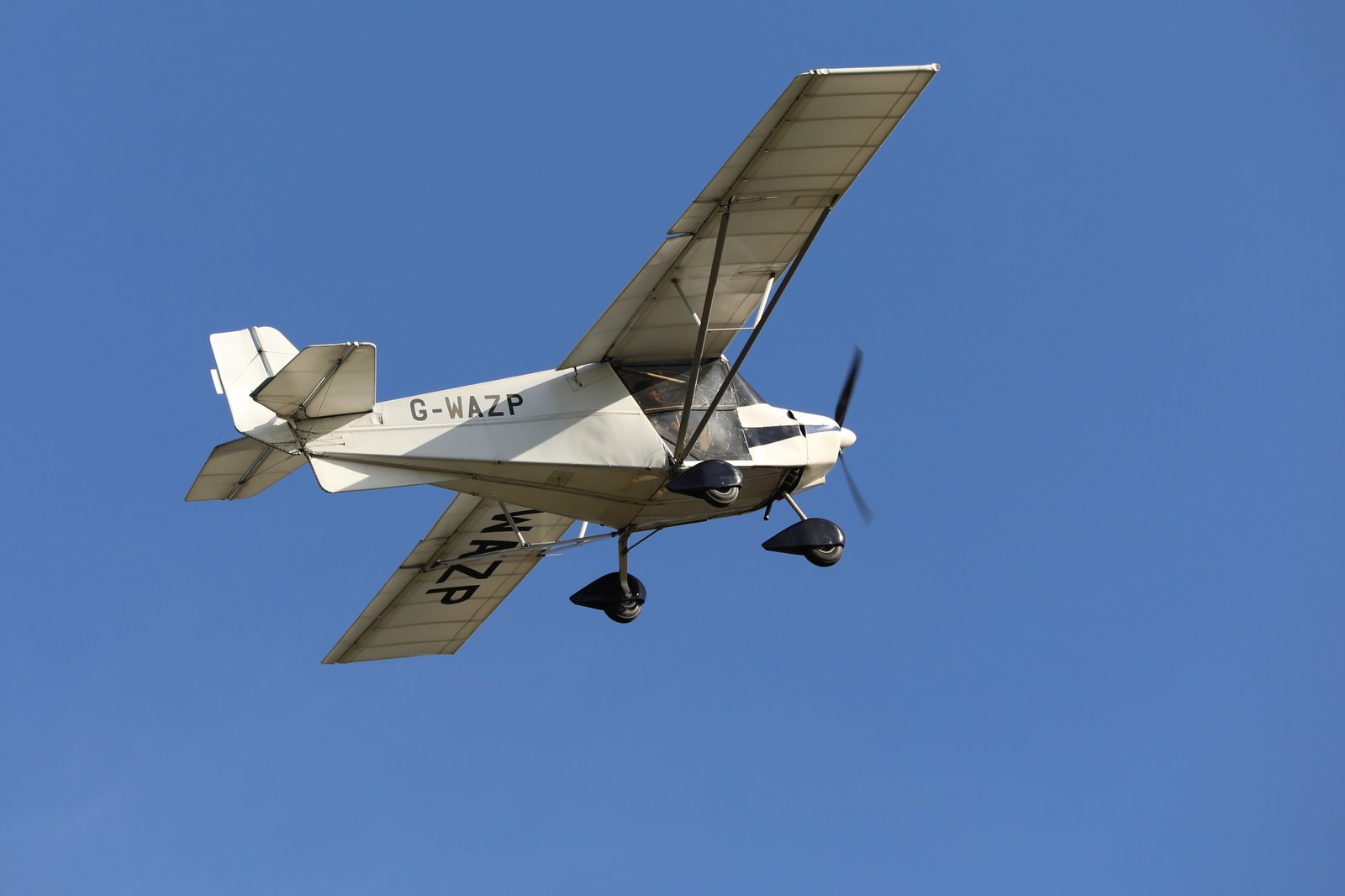
The aircraft's design incorporated several notable features for its class. The cantilever low-wing layout provided structural efficiency while the composite sandwich construction offered favorable strength-to-weight characteristics. The enclosed cockpit featured side-by-side seating beneath a distinctive bubble canopy, providing excellent visibility for both occupants. By 2015, DAC had implemented significant improvements, including an enlarged cockpit and a completely redesigned wing developed by Martin Holloman.
The Dutch Aeroplane Company
The Dutch Aeroplane Company operated from Dordrecht, focusing exclusively on kit aircraft for the amateur construction market. Unlike traditional aircraft manufacturers, DAC targeted homebuilders seeking modern designs with advanced materials and powerplant options. The company maintained operations for nearly a decade before ceasing activities by late 2015, when its website was discontinued and production ended.
DAC's business model centered on supplying complete kits rather than factory-built aircraft, allowing builders to construct their own RangeR while maintaining amateur-built certification status in most jurisdictions. This approach provided cost advantages to buyers while enabling DAC to operate with relatively modest manufacturing facilities.
Powerplant Innovation
The RangeR's most distinctive feature was its DAC YDT diesel engine, a 95-horsepower powerplant based on the Isuzu Y17DT automotive diesel design. This 1.7-liter inline engine represented DAC's attempt to bring automotive diesel reliability and fuel efficiency to general aviation. The conversion required extensive modifications to adapt the automotive engine for aircraft use, including new engine management systems and cooling arrangements.
Diesel engines offered several theoretical advantages over traditional gasoline powerplants, including lower fuel consumption and the ability to burn less expensive diesel fuel or jet fuel. However, the additional weight and complexity of diesel engines had historically limited their adoption in light aircraft, making the RangeR's powerplant selection notable within its category.
Performance Characteristics
With its 95-horsepower diesel engine, the RangeR achieved respectable performance figures for its class. The aircraft demonstrated a maximum speed of 146 mph and a more economical cruise speed of 113 mph. The relatively high stall speed of 62 mph reflected the wing design's emphasis on cruise efficiency over slow-speed handling.
The RangeR's empty weight of 1,102 pounds and maximum gross weight of 1,653 pounds provided a useful load of 551 pounds, adequate for two occupants and baggage on most flights. The 90-liter fuel capacity, combined with the diesel engine's efficiency, provided extended range capabilities compared to gasoline-powered aircraft of similar size. The aircraft's rate of climb of 690 feet per minute was modest but sufficient for typical general aviation operations.
Production and Market Reception
DAC manufactured RangeR kits from 2006 through 2015, though exact production numbers remain undocumented. The aircraft competed in a specialized market segment, appealing primarily to builders interested in diesel technology and composite construction techniques. The kit approach required substantial builder commitment, with construction times typically extending over several years.
The RangeR's market position reflected the broader challenges facing diesel-powered general aviation aircraft. While offering fuel efficiency advantages, the higher initial costs and complexity of diesel powerplants limited appeal compared to traditional gasoline engines. The specialized nature of the DAC diesel engine also raised concerns about long-term parts availability and maintenance support.
Legacy and Current Status
The DAC RangeR's production ended with the company's closure in 2015, leaving an unknown number of completed aircraft in service. The design represented an interesting experiment in applying automotive diesel technology to light aircraft, though market acceptance remained limited. Without ongoing manufacturer support, RangeR operators face challenges in maintaining their aircraft, particularly regarding engine components and technical assistance.
The RangeR's brief production run illustrates the difficulties small aircraft manufacturers face in establishing sustainable businesses within specialized market niches. While the aircraft demonstrated competent performance and incorporated several advanced features, the combination of limited market demand and high development costs ultimately proved challenging for DAC's business model.