
Design Philosophy and Safety Innovation
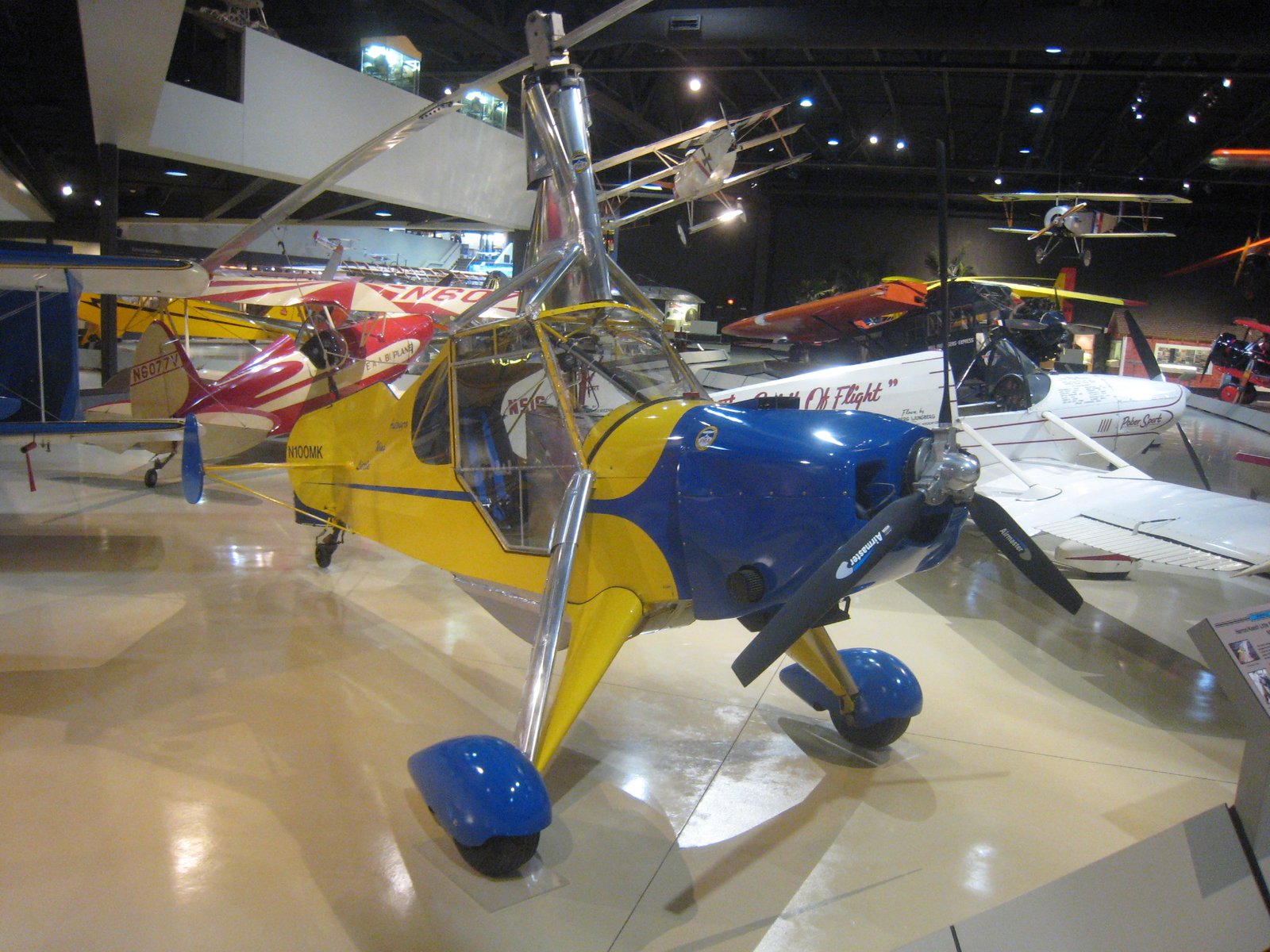
Ron Herron founded Little Wing Autogyros in 1995 with a specific mission: to address the alarming rate of pushover fatalities that plagued pusher-configuration gyrocopters. His solution involved returning to the fundamental principles established by autogyro pioneer Juan de la Cierva, implementing a tractor layout where the engine and propeller were positioned ahead of the pilot rather than behind. This configuration significantly reduced the risk of catastrophic pitch-over incidents that had claimed numerous lives in pusher-type autogyros.
The LW-4 Development
The LW-4 Roto-Pup emerged as the two-place, long-frame member of Herron's autogyro family. While single-seat variants like the LW-2 had proven the basic design concept, the LW-4 addressed the growing demand for training aircraft and recreational two-seat flying. The extended fuselage provided proper weight and balance characteristics for the tandem seating arrangement while maintaining the inherent stability advantages of the tractor configuration.
Manufacturing and Production
Little Wing Autogyros operated from a compact 55-square-meter facility in Mayflower, Arizona, with Herron serving as the primary designer and builder. The company's small scale allowed for customized aircraft construction, with each LW-4 built to customer specifications. This approach meant that no two aircraft were exactly identical, as buyers could select from various engine options and equipment packages.
Engine Options and Performance
The LW-4 could accommodate a diverse range of powerplants, reflecting the experimental aircraft market's varied preferences and budgets. Options included the reliable Rotax 912 four-cylinder engine, the turbocharged 115-horsepower Rotax 914 for enhanced performance, the lightweight Hirth F-30 two-stroke engine, and various automotive conversions including Volkswagen and Subaru EA-81 units. For those seeking classic radial engine sound and appearance, the seven-cylinder Rotec R-2800 radial provided an authentic vintage flying experience.
Regulatory Compliance
Herron designed the Little Wing series to meet Federal Aviation Administration regulations for ultralight and experimental amateur-built aircraft categories. This compliance strategy made the aircraft accessible to a broader range of builders and operators while maintaining safety standards. The tractor configuration not only improved safety but also simplified the certification process compared to more complex pusher designs.
Operational Characteristics
The LW-4's tractor layout provided several operational advantages beyond safety. The forward-mounted engine improved pilot visibility during ground operations and eliminated the noise and vibration issues common to pusher configurations. The extended fuselage design allowed for proper center of gravity positioning with two occupants while maintaining the autogyro's characteristic short takeoff and landing capabilities.
Legacy and Current Status
While Little Wing Autogyros remained a small-scale operation throughout its existence, the company's emphasis on safety-first design influenced the broader autogyro community. Herron's advocacy for tractor configurations helped shift industry thinking away from pusher designs that had dominated the ultralight gyroplane market during the 1980s and early 1990s.
The LW-4 and its siblings represented a transitional period in homebuilt autogyro development, bridging the gap between the dangerous early ultralight gyros and the more sophisticated designs that would emerge in the 2000s. Today, few LW-4 aircraft remain active, as many builders have moved to newer designs incorporating advances in rotor technology, engine management, and structural engineering.
Technical Innovation
The aircraft incorporated several design elements that would become standard in later autogyro designs. The tractor propeller arrangement eliminated the complex drive systems required for pusher configurations while providing better engine cooling and maintenance access. The extended fuselage design allowed for improved fuel capacity and baggage storage compared to single-seat variants.
Despite limited production numbers, the LW-4 Roto-Pup served its intended purpose as a safer alternative to contemporary pusher gyrocopters, demonstrating that conventional aircraft design principles could be successfully applied to rotorcraft development.