
Design Philosophy and Development
Randy Schlitter engineered the S-20 Raven by combining proven components from two successful RANS aircraft. The design incorporates wings, tail surfaces, fuel system, and aero servo ailerons from the S-7 Courier, while adopting the engine mount, controls, flap mechanism, rudder pedals, seating, and instrument panel from the S-6 Coyote II. This hybrid approach allowed RANS to leverage existing tooling while creating an aircraft specifically optimized for bush operations.
The Raven's most significant structural innovation extended the welded 4130 chrome-moly steel tube framework throughout the entire fuselage length, rather than limiting it to the cockpit area as in the S-6. This enhancement provided superior structural integrity for demanding backcountry operations while maintaining the aircraft's 1,320-pound gross weight limit.
Manufacturing and Production
RANS Designs, founded by Randy Schlitter in Hays, Kansas, began as a manufacturer of land sailing vehicles and tricycles with sails before transitioning to aircraft production. By 2016, the company had sold over 3,000 aircraft kits across all models, establishing itself as a significant player in the experimental aircraft market.
Production of the S-20 commenced in 2013, with initial kit deliveries scheduled for February 2014. The company estimated construction time at 500 to 700 hours for amateur builders. By January 2014, one S-20 was registered with the Federal Aviation Administration, demonstrating the rapid progression from introduction to flying aircraft.
In March 2016, the FAA certificated the factory-built S-20LS Raven under Special Light Sport Aircraft regulations, expanding the aircraft's market beyond kit builders. The ready-to-fly LSA version carried an approximate price of $120,000.
Construction and Technical Features
The S-20 utilizes a mixed-construction approach with a welded steel tube fuselage and aluminum wings featuring stamped ribs and sheet aluminum leading edges. All welding is completed at the RANS factory, while the aluminum wing construction employs CNC-drilled spars and one-piece stamped ribs to simplify assembly.
The aircraft's fabric covering uses traditional doped fabric techniques over both the steel fuselage and aluminum wing structures. The fuselage and tail components receive powder coating with internal corrosion protection, while door frames are similarly treated for longevity.
Powerplant and Performance
The standard Rotax 912ULS four-stroke engine produces 100 horsepower and drives either two-blade or three-blade ground-adjustable propellers with 5-foot 10-inch diameter. This powerplant choice reflected RANS' strategic shift away from two-stroke engines that powered earlier models like the S-6.
Alternative engine options accommodate various power requirements, including the 116-horsepower Lycoming IO-233, 180-horsepower Titan 340, and 130-horsepower ULPower UL350iS. This flexibility allows builders to optimize their aircraft for specific mission requirements.
With its standard powerplant, the S-20 achieves a cruise speed of 97 knots and demonstrates exceptional short-field capabilities with 300-foot takeoff rolls and 340-foot landing distances. The aircraft's 937-nautical-mile range and 5.2-hour endurance provide substantial cross-country capability.
Operational Characteristics
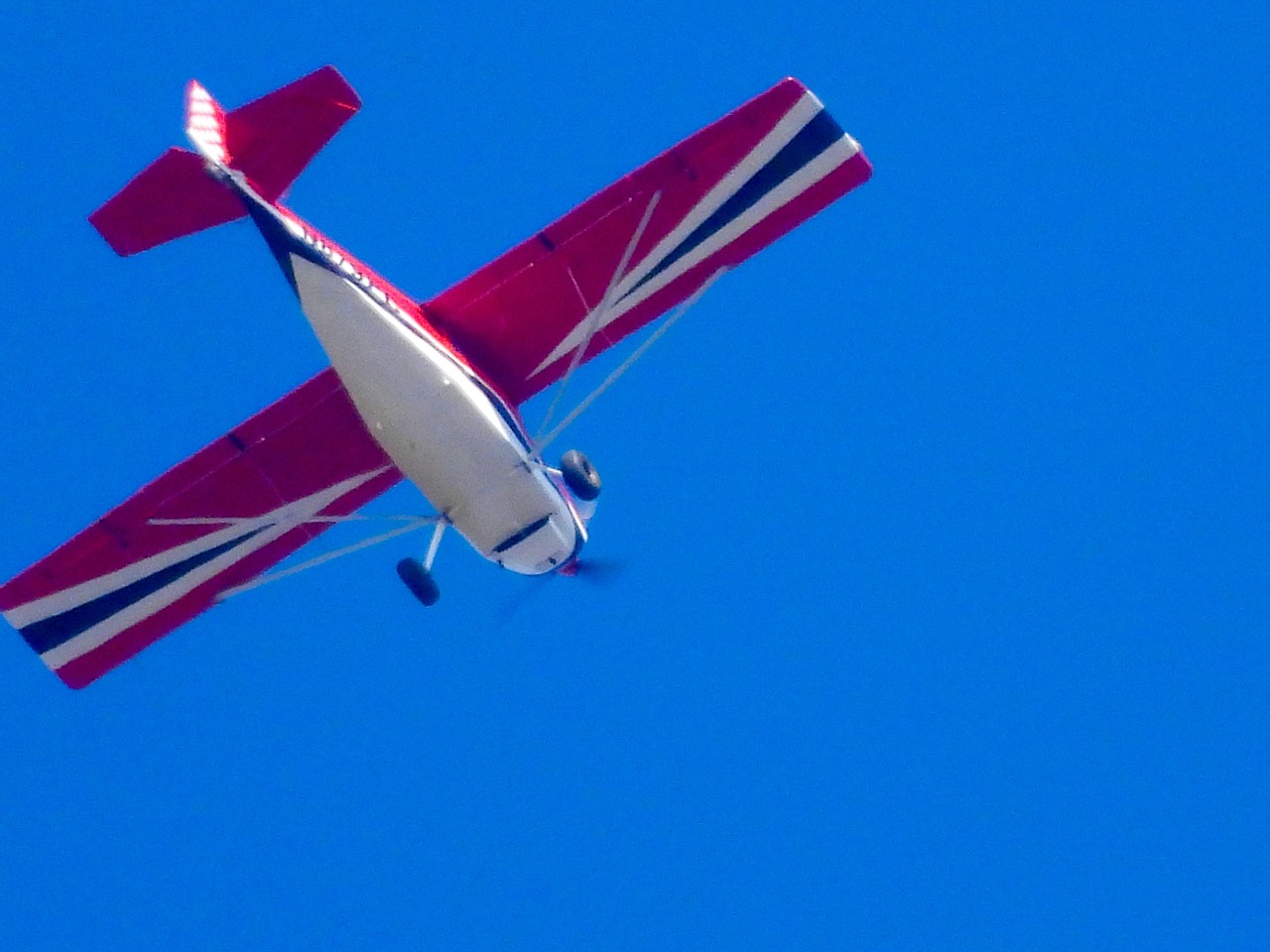
The S-20's high-wing configuration and 26-inch Alaskan bush wheels make it particularly suitable for operations from unprepared surfaces. The aircraft features dual hydraulic toe brakes, parking brake, and stainless steel braided brake lines for reliable ground handling.
With a service ceiling of 14,500 feet and climb rate of 900 feet per minute, the Raven provides adequate performance for mountain flying operations. The 26-gallon fuel capacity supports extended backcountry expeditions while maintaining useful load for passengers and equipment.
Market Position and Legacy
The S-20 Raven targeted the growing light-sport aircraft market while maintaining appeal for experimental aircraft builders. Its STOL capabilities and rugged construction particularly attracted operators in remote areas, with RANS specifically marketing the aircraft for Canadian geography and Alaskan operations.
The aircraft remains in production as of 2024, representing RANS' successful evolution toward modern four-stroke powerplants. Examples operate internationally, including documented aircraft in New Zealand, demonstrating the design's global appeal among bush pilots and recreational aviators seeking short-field performance combined with cross-country capability.