
Design Philosophy and Development
The MacDonald S-21 represented the democratization of aircraft construction during the homebuilt aviation boom of the 1970s. MacDonald Aircraft developed the design with amateur builders specifically in mind, emphasizing simplified construction techniques that could be mastered by weekend enthusiasts. The company's approach centered on making metal aircraft construction accessible to builders who might otherwise be limited to fabric-covered designs.
The S-21's most significant innovation lay in its extensive use of pop rivets throughout the airframe construction. This technique eliminated the need for expensive pneumatic rivet guns and specialized metalworking skills, allowing builders to achieve professional-quality metal construction using basic hand tools. The design philosophy prioritized simplicity over complexity, resulting in a straightforward sport plane that delivered reliable performance without demanding advanced fabrication expertise.
Construction and Configuration
The S-21 employed a hybrid construction approach that balanced structural integrity with buildability. The forward fuselage utilized welded steel tubing, providing a robust foundation for the engine mount and cockpit area. This steel framework transitioned to aluminum construction for the rear fuselage, wings, and tail surfaces, with aluminum bulkheads and longerons forming the primary structure.
The aircraft's low-wing cantilever design eliminated the need for external wing struts, creating clean aerodynamic lines while simplifying ground handling. Fixed tailwheel landing gear kept the design conventional and reduced maintenance requirements compared to retractable systems. The open cockpit configuration honored the sport flying tradition while keeping weight and complexity to minimum levels.
Performance Characteristics
With its maximum speed of 110 mph, the S-21 positioned itself firmly in the recreational flying category rather than cross-country transportation. The aircraft's 251-mile range suited local sport flying and short regional trips, while its 850-feet-per-minute climb rate provided adequate performance for pattern work and local soaring. These specifications reflected the design's intended role as an affordable entry point into sport aviation rather than a high-performance machine.
The S-21's performance envelope made it suitable for pilots seeking the pure joy of flight without the complexity and expense of higher-performance aircraft. Its handling characteristics emphasized docility and predictability, qualities that served homebuilders well during their initial flight testing phases.
Manufacturing and Distribution
Unlike traditional aircraft manufacturers, MacDonald Aircraft operated primarily as a plans supplier rather than a production facility. Beginning in the early 1970s, the company marketed complete construction drawings and documentation packages to individual builders across the United States. This business model eliminated the need for factory facilities, tooling, and production workforce while making the design accessible to builders nationwide.
The exact number of S-21 aircraft completed remains undocumented, reflecting the distributed nature of homebuilt construction. Individual builders typically required several years to complete their projects, working at their own pace in home workshops and hangars. This approach meant that S-21 aircraft appeared sporadically over many years rather than in concentrated production runs.
Evolution and Legacy
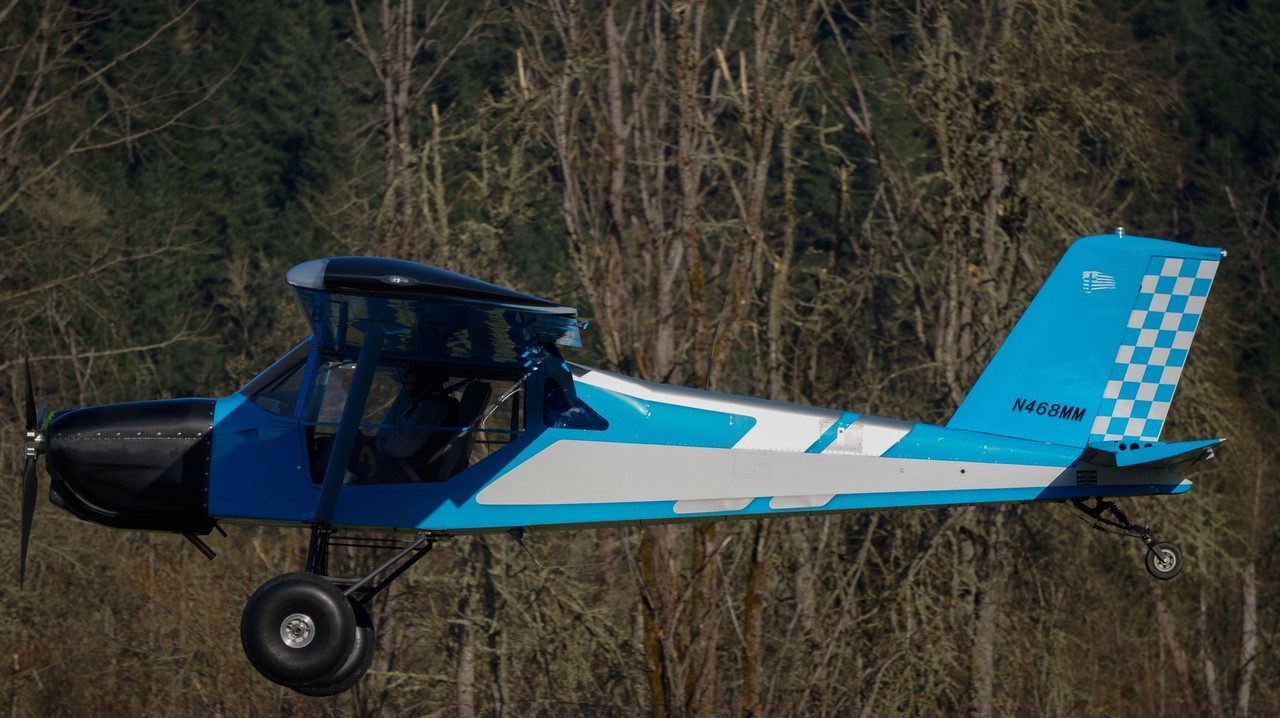
The S-21's open-cockpit configuration eventually gave way to the enclosed S-22 variant, which appeared in 2009-2010 with significant modernization. The updated design incorporated a canopy for weather protection, engine cowling for improved aerodynamics, electrical systems, an avionics bus, and electric starter capability. These enhancements addressed the practical limitations that had restricted the original S-21 to fair-weather flying.
The availability of construction plans for both the S-21 and S-22 variants has ensured the design's continued relevance in the homebuilt community. Modern builders can choose between the original open-cockpit simplicity or the enhanced capability of the enclosed version, depending on their intended use and building preferences.
The Manufacturer
MacDonald Aircraft operated as a distinct entity from the larger McDonnell Aircraft Corporation, focusing specifically on the homebuilt market segment. The company's business model reflected the entrepreneurial spirit of the experimental aviation movement, where small enterprises could successfully serve niche markets without requiring massive capital investments.
The current operational status of MacDonald Aircraft remains unclear, though the continued availability of construction plans suggests some form of ongoing support for the design. This uncertainty reflects the fluid nature of many small aviation companies that emerged during the homebuilt boom of the 1970s and 1980s.
Contemporary Significance
The MacDonald S-21 exemplifies the experimental aircraft movement that flourished in the United States during the 1970s, when regulatory changes made homebuilt aviation more accessible to individual enthusiasts. The design's emphasis on simplified construction techniques and basic materials helped establish construction methods that influenced numerous subsequent homebuilt designs. While never achieving the widespread adoption of some contemporary designs, the S-21 contributed to the expanding options available to sport aviation enthusiasts seeking alternatives to factory-built aircraft.