
Development and Design Philosophy
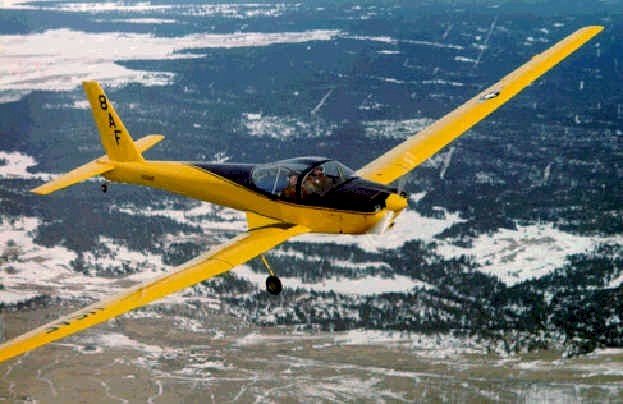
The SA-2-37 Condor emerged from Schweizer Aircraft Corporation's expertise in glider design, representing a unique approach to reconnaissance aircraft development. Engineers modified the existing SGM 2-37 motor glider by incorporating a larger wingspan, drooped leading edges, and specialized wing fences to optimize the aircraft for surveillance missions. The design philosophy centered on creating an exceptionally quiet platform capable of extended loitering over target areas without detection.
The aircraft featured a removable payload pallet system within its 1.84 cubic meter cargo bay, allowing operators to configure sensor packages based on specific mission requirements. This modular approach distinguished the Condor from purpose-built military aircraft, providing operational flexibility while maintaining the aircraft's civilian appearance.
Covert Military Operations
The United States Army became the SA-2-37's first military operator in 1985, acquiring two aircraft under the classified "Grisly Hunter" project. These aircraft conducted sensitive surveillance operations along the nation's borders, taking advantage of the Condor's ability to blend with civilian traffic while carrying sophisticated intelligence-gathering equipment.
By mid-1989, both Army aircraft transferred to the United States Coast Guard, receiving the military designation RG-8A. Operating from Miami in low-visibility gray paint schemes, these aircraft supported anti-narcotics interdiction efforts throughout the Caribbean and Gulf of Mexico. The Coast Guard modifications included specialized communications equipment and surface surveillance radar optimized for detecting small, fast-moving boats used in drug trafficking operations.
CIA Intelligence Operations
The Central Intelligence Agency recognized the SA-2-37's potential for intelligence operations, acquiring between five and seven aircraft in the early 1990s. These aircraft served as airborne communication relay platforms for unmanned reconnaissance vehicles, particularly supporting General Atomics Gnat 750 drone operations over the former Yugoslavia in 1994.
During the Balkans conflict, CIA-operated Condors conducted surface surveillance missions to identify targets for NATO air strikes. The aircraft's quiet operation and civilian appearance allowed it to operate in contested airspace with reduced detection risk. In 1997, a CIA SA-2-37 participated in intelligence gathering during the Japanese embassy hostage crisis in Peru, demonstrating the aircraft's global operational reach.
International Military Service
The SA-2-37 found export success with several allied nations, particularly those supporting United States drug interdiction efforts. Colombia received its first aircraft through direct purchase, followed by five additional aircraft provided by the U.S. government as part of counter-narcotics cooperation agreements. Jordan and Mexico also acquired SA-2-37s for border surveillance and internal security operations.
These international operators appreciated the aircraft's low operating costs and maintenance simplicity compared to purpose-built military reconnaissance platforms. The Condor's ability to operate from short, unpaved airstrips proved particularly valuable in remote operational areas.
Technical Innovation and Performance
Two primary variants served operational roles: the SA-2-37A powered by a 235-horsepower Lycoming IO-540-W3A5D engine, and the SA-2-37B featuring a turbocharged 250-horsepower Lycoming TIO-540. Both variants utilized McCauley three-blade constant-speed propellers optimized for quiet operation.
The aircraft achieved a cruise speed of 114 miles per hour while consuming just four gallons of fuel hourly, providing exceptional endurance for surveillance missions. With its propeller feathered, the SA-2-37 could glide at a 28:1 ratio, allowing silent approaches to target areas or emergency landings following engine failure.
Schweizer Aircraft Corporation Legacy
Schweizer Aircraft Corporation built its reputation manufacturing gliders and specialized aircraft for nearly eight decades before ceasing operations in 2012. The company's expertise in quiet, efficient aircraft design made it a natural choice for developing covert surveillance platforms during the Cold War period.
Following Schweizer's closure, Schweizer RSG acquired the company assets in 2018, reopening production facilities in Fort Worth, Texas. The SA-2-37's design principles influenced development of the larger SA-2-38 and twin-engine RU-38 series, continuing Schweizer's legacy in specialized surveillance aircraft.
Production and Current Status
Total SA-2-37 production remained limited, with only six SA-2-37As registered in the United States and additional aircraft delivered to international operators. This small production run reflected the aircraft's specialized role and the classified nature of many operations.
The SA-2-37's operational history demonstrates how civilian-derived aircraft could serve sensitive military roles during the Cold War era. Its combination of innocent appearance, exceptional efficiency, and mission flexibility created a unique capability that larger military aircraft could not replicate, establishing the Condor as a significant chapter in covert aviation history.