
Service History
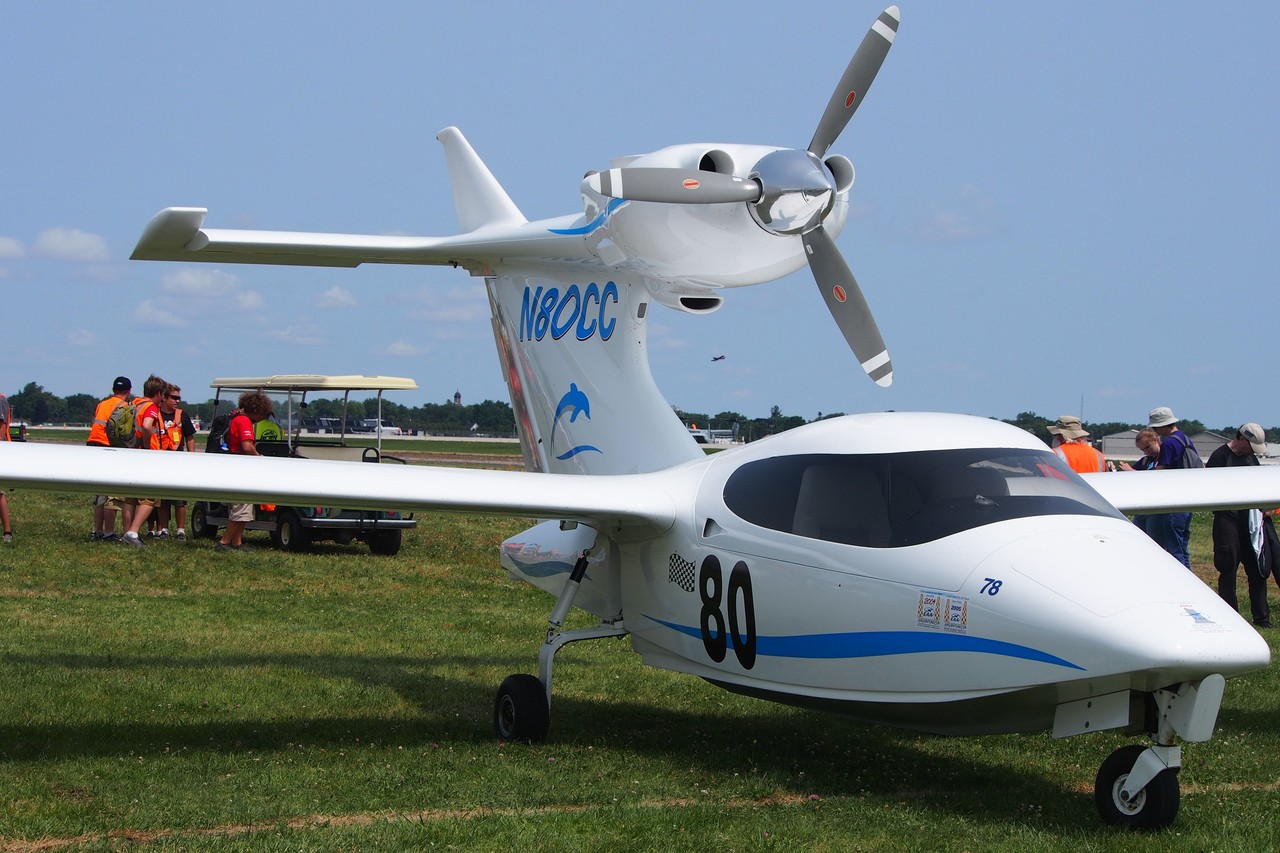
The Seawind carved out a unique niche in experimental aviation as the fastest amphibian in its class, with over 80 kits delivered to builders worldwide between 1982 and 2002. Unlike traditional general aviation aircraft, the Seawind operated exclusively in the experimental category, built by dedicated enthusiasts who invested 2,000 to 3,000 hours constructing their aircraft. The type never achieved commercial certification despite ambitious plans, limiting its service to private operators who valued its exceptional speed and amphibious capabilities.
The Manufacturer
Seawind International launched operations in Haliburton, Ontario in 1982, introducing the original Seawind 2000 kit to the experimental aircraft market. The company transferred operations to Seawind North America in Kimberton, Pennsylvania, which developed the improved Seawind 3000 variant in 1993. SNA suspended kit production in 2002 to pursue factory certification of the Seawind 300C, but funding shortages and the 2008 recession derailed these efforts. A prototype crash further complicated certification attempts, and the company ceased operations entirely by 2020, marking the end of nearly four decades of Seawind production.
Engine & Technical Details
The Seawind 2000 utilized a 200-horsepower Lycoming IO-360 inline piston engine, while the Seawind 3000 upgraded to a 300-horsepower Lycoming IO-540 series powerplant. The planned Seawind 300C was designed to accommodate either a 310-horsepower Continental piston engine or a 550-horsepower Pratt & Whitney PT6A turboprop. The aircraft's distinctive pusher configuration positioned the engine pod forward of the vertical stabilizer, contributing to its streamlined profile and impressive performance figures.
Experimental turbine conversions demonstrated the design's potential, with aircraft like N71RJ achieving cruise speeds of 193 to 222 mph true airspeed at 78 percent power. This Super Seawind variant, equipped with a PT6A-20 turboprop and MT five-blade 74-inch constant-speed propeller, completed its first flight on March 15, 2012, after a nine-year development program requiring 15,000 man-hours.
Pilot Perspective
Pilots praised the Seawind for its exceptional cruise performance, with standard models achieving 175 knots while maintaining the versatility of water operations. The aircraft's high-altitude capability extended to Flight Level 170-190 with supplemental oxygen, providing operational flexibility unmatched by conventional amphibians. The pusher configuration offered excellent forward visibility and reduced cabin noise compared to tractor designs, though it required careful attention to center-of-gravity limits during loading.
The Seawind's 110-gallon fuel capacity enabled true long-range cruising, with pilots regularly completing 1,000-statute-mile flights with reserves. Certified Flight Instructor Jack Ardyno and pilot Jay Drury extensively flight-tested the turbine variant, validating its performance envelope and operational characteristics throughout its certification process.
Production & Legacy
Approximately 80 Seawind kits were completed and flown during the type's 20-year production run, representing a modest but dedicated community of builders and operators. The aircraft's complexity and 2,000-hour build time limited its appeal compared to simpler kit designs, though Seawind offered a "Kwick Kit" option for an additional $14,500 that reduced assembly time to 1,600 hours.
The Seawind's legacy lies in demonstrating the potential for high-performance amphibian design and inspiring subsequent experimental aircraft development. Active flying examples continue to appear on the used aircraft market, though exact numbers remain unknown due to the experimental category's limited tracking requirements. Builder communities maintain active communication through fly-ins and online forums, sharing maintenance expertise and operational experiences.
The failure to achieve certification represents one of general aviation's most ambitious unrealized projects, as the Seawind 300C promised to deliver airliner-like cruise speeds in a certified amphibian package. Despite this setback, the original kit-built variants established performance benchmarks that influenced amphibian design philosophy and demonstrated the viability of composite construction techniques that became industry standard in subsequent decades.