
Design and Development
Randy Schlitter, founder of RANS Inc., designed the S-16 Shekari as part of an ambitious expansion that saw his company fielding twelve concurrent aircraft designs by the mid-1990s. The prototype, registered N8072U, represented a significant departure from RANS' traditional high-wing ultralights, incorporating a sophisticated low-wing layout optimized for speed and handling. Schlitter's design team constructed the fuselage from four molded composite shells reinforced with a molybdenum steel cockpit cage, while the wings utilized conventional aluminum construction with pre-formed metal control surfaces.
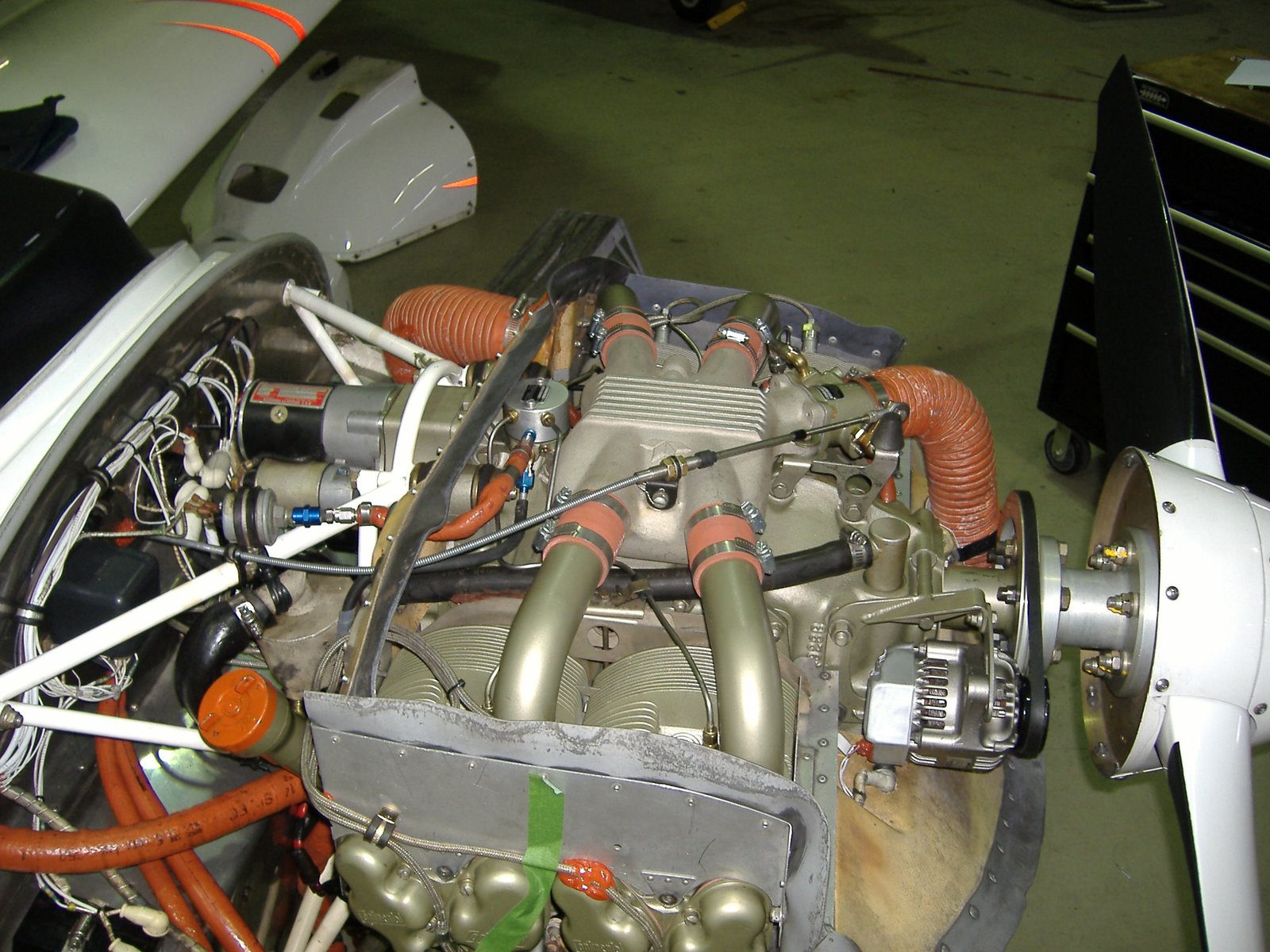
The aircraft's modular design philosophy extended to its powerplant options. While the prototype initially flew with a 60-kilowatt Rotax 912UL engine, production aircraft could accommodate three different engines: the 125-horsepower Teledyne Continental IO-240B four-cylinder, the 160-horsepower Textron Lycoming O-320, or the automotive-derived Subaru EA-81. This flexibility allowed builders to tailor performance and cost to their specific requirements.
Performance and Racing Success
The S-16 Shekari immediately demonstrated its performance credentials in competitive flying. During the 1997 Sun'n Fun Race at Lakeland, Florida, the prototype achieved a commanding victory in its class, maintaining an average speed of 130 mph over the 60-mile course. This racing success validated Schlitter's design objectives and showcased the aircraft's capabilities against established competitors.
With full fuel capacity of 32 Imperial gallons stored in two fuselage tanks, the Shekari delivered impressive range performance. The Continental-powered variant achieved a maximum cruise speed of 160 mph at altitude, with a service ceiling reaching 14,000 feet. Climb performance measured 1,000 feet per minute, while takeoff and landing distances remained reasonable at 500 and 525 feet respectively. The aircraft's 5.3-hour endurance provided significant cross-country capability for a kitbuilt design.
The Manufacturer's Evolution
RANS Inc.'s journey began in 1974 when Randy Schlitter established the company in Hays, Kansas, initially producing pedaled sail trikes and land yachts. The transition to aircraft occurred gradually, beginning with the 1982 Aero-Max ultralight prototype and the company's first production kit, the S-4 Coyote, in 1983. By the time the S-16 entered development, RANS had established itself as a significant force in the experimental aircraft market.
The company's approach emphasized quick-build construction techniques that reduced assembly time while maintaining structural integrity. Pre-formed wings and control surfaces minimized the complex metalworking traditionally required for low-wing aircraft, making the S-16 accessible to builders with moderate experience levels.
Limited Production and Technical Challenges
Despite its performance advantages and racing success, the S-16 Shekari faced market challenges that limited its commercial viability. Production officially began following certification on December 16, 1998, but ceased after completing only 24 examples. The decision to discontinue the S-16 in favor of the S-19 series reflected evolving market demands and regulatory changes affecting the light sport aircraft category.
Operational examples included aircraft registered in both the United States and Australia. N325R, built by Robert M. Gaspar and certified on March 28, 2013, represented one of the later completions using a RANS kit. In Australia, aircraft 19-3668 (constructor number 0300023) operated from Holbrook, New South Wales, demonstrating the design's international appeal.
Safety Record and Operational Considerations
The limited production numbers meant relatively few operational incidents, though at least one fatal accident occurred involving N741WT, a 2007-built example powered by a Lycoming O-320-A2B engine with 207 total hours. The aircraft experienced a loss of control during takeoff, highlighting the performance aircraft's demands on pilot proficiency.
With an empty weight of 930 pounds and maximum takeoff weight of 1,450 pounds, the S-16 provided a useful load of 520 pounds. This capacity accommodated two occupants with modest baggage for cross-country flights, though careful weight and balance calculations remained essential for safe operations.
Legacy and Current Status
Today, the S-16 Shekari represents a brief but significant chapter in RANS' evolution from ultralight manufacturer to producer of sophisticated sport aircraft. Several examples maintain current registrations, with N325R's certificate valid through March 31, 2029. The design's influence continues through RANS' current lineup, which includes the S-19 Venterra, S-20 Raven, and S-21 Outbound, all incorporating lessons learned from the S-16 program.
While no S-16 examples are known to reside in aviation museums, the aircraft's contribution to experimental aviation development remains significant. Its combination of composite and metal construction, multiple engine options, and emphasis on builder-friendly assembly techniques influenced subsequent RANS designs and demonstrated the viability of high-performance kitbuilt aircraft in the emerging light sport category.