
Record-Breaking Performance
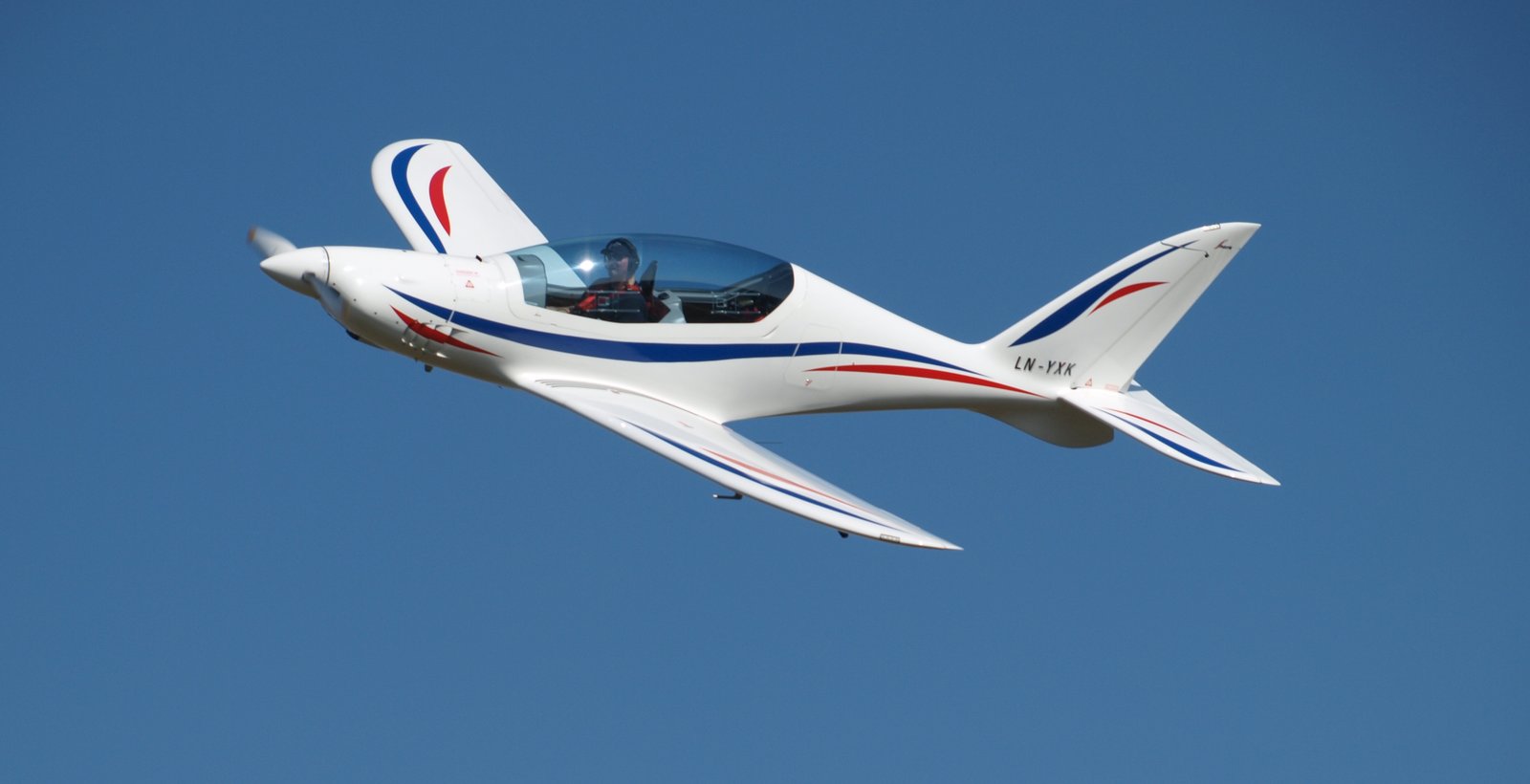
The Shark's significance in ultralight aviation became undeniable in 2015 when pilot Eric Barberin de Barberini pushed the aircraft to 303 km/h, making it the first ultralight to break the 300 km/h barrier. This achievement earned multiple speed records in the RAL2T class for both straight course and closed circuit flights. The aircraft's exceptional range capabilities were further demonstrated through ultra-long-distance flights, including 10-hour non-stop legs that proved its reliability and efficiency.
In 2022 and 2023, the Shark gained international recognition when siblings Zara and Mack Rutherford used the aircraft for their record-breaking solo circumnavigations. Nineteen-year-old Zara became the youngest woman to fly solo around the world in January 2022, followed by her 17-year-old brother Mack, who claimed the record as the youngest man in August 2022. Together, their flights covered 106,000 kilometers across 43 countries and five continents, establishing six Guinness World Records while operating in temperatures ranging from -35°C to +48°C.
Design Innovation and Manufacturing
Vladimír Pekár and Jaroslav Dostál co-founded Shark.Aero in 2006 and led the aircraft's design development, building upon their extensive composite manufacturing experience. Their predecessor company, Comp-let, had operated since 1997 as the largest supplier of composite parts to Diamond Aircraft Industries, delivering components for two aircraft daily and shipping over five tons of composites monthly under EASA certification.
The prototype, registered as OK-OUR01, completed its maiden flight on August 19, 2009, at 11:15 UTC from LKBA airport in the Czech Republic. The design emphasized superior aerodynamics, comfort, and safety while maintaining the performance advantages of advanced composite construction. Production began in mid-2011 at the company's facility in Senica, Slovakia, with initial deliveries to customers in France and Germany.
Technical Specifications and Performance
The Shark utilizes either a Rotax 912ULS engine producing 100 horsepower or the turbocharged Rotax 914 generating 115 horsepower, both driving variable-pitch propellers with two or three blades. These Austrian-built flat-four engines provide exceptional fuel efficiency, consuming just 15 liters per hour at flight level 100 while delivering impressive range capabilities.
With an empty weight of 275 kilograms and maximum takeoff weight of 472.5 kilograms, the aircraft carries a useful load of 226 kilograms including two occupants and baggage. The 100-liter fuel capacity enables the remarkable 3,889-kilometer range when operated in economy cruise configuration at flight level 100 with 30-minute reserves. Takeoff performance requires only 190 meters of runway, while the service ceiling reaches 5,500 meters with supplemental oxygen.
Production Success and Global Operations
By 2020, Shark.Aero had delivered 100 aircraft, with the milestone 100th example going to a French customer. The company maintains production capabilities of up to 50 aircraft annually, incorporating advanced manufacturing techniques including carbon composite construction and 3D printing technology. The entire airframe is manufactured in-house, with only avionics, engines, and propellers sourced from external suppliers.
The aircraft operates in more than 26 countries worldwide, serving private pilots engaged in recreational flying and record-setting attempts. Notable achievements include Jiří Pruša and Eliska Kudejova's 1,912.2-kilometer closed-circuit distance record in 2023, demonstrating the aircraft's continued relevance in competitive aviation.
Recognition and Legacy
The Shark earned the Best Ultralight award in 2012 and received certification from both the Czech LAA ČR and German Deutscher Aero Club in 2013. These endorsements validated the aircraft's design excellence and operational safety standards within the ultralight aviation community.
The aircraft's wing and tail designs have influenced other projects, with components adapted for use in the Slovenian OneAircraft One project. This technology transfer demonstrates the Shark's impact beyond its own production line, contributing to broader advances in composite ultralight aircraft design.
Today, the Shark continues in production with ongoing deliveries to customers worldwide. Its combination of record-breaking speed, exceptional range, and proven reliability has established new standards for what ultralight aircraft can achieve, inspiring a generation of pilots to attempt previously impossible long-distance flights in this aircraft category.