
Development Challenges
The SJ-30's path to certification proved as complex as its innovative design. Ed Swearingen, the legendary aerospace engineer behind the aircraft, officially announced the project in October 1986 with ambitious goals of creating an affordable business jet utilizing the emerging Williams FJ44 turbofan technology. However, the program immediately encountered financial turbulence when an initial partnership with Gulfstream Aerospace collapsed within a year of formation.
Swearingen subsequently secured backing from the Jaffe Group of San Antonio and the state of Delaware, establishing manufacturing plans near Dover Air Force Base. The first prototype achieved flight in February 1991 and made a notable appearance at the 1991 Paris Air Show, demonstrating the aircraft's potential to international audiences. Delaware's withdrawal of support shortly thereafter forced another restructuring of the troubled program.
International Partnership
Lockheed Corporation rescued the SJ-30 through an innovative approach, incorporating it into a joint venture with Taiwan as an offset agreement following Taiwan's purchase of F-16 fighters. This arrangement created Sino Swearingen Aircraft Corporation and relocated manufacturing operations to West Virginia. The partnership enabled continued development while providing political and financial stability the program desperately needed.
Engineering improvements resulted in a significantly modified prototype featuring a stretched fuselage, wider wingspan, and increased range capability. This enhanced version completed its maiden flight in November 1996, representing nearly a decade of development since the original announcement.
Certification Breakthrough
A prototype crash in April 2003 caused additional delays and required extensive design modifications, but the program persevered toward its ultimate achievement. The SJ-30 received FAA Type Certification in October 2005, marking a watershed moment in aviation regulation. As the first jet aircraft to successfully petition for Part 23 Commuter Category certification while exceeding the traditional 12,500-pound takeoff weight limit, the SJ-30 established crucial precedent enabling other manufacturers to pursue similar certification paths.
This regulatory breakthrough required Sino Swearingen to invest over 12 years and $700 million in development costs, demonstrating the enormous commitment required to bring new aircraft designs to market.
Engine Innovation
The SJ-30 pioneered the application of Williams International's FJ44 turbofan engines in business aviation. Initial aircraft utilized the FJ44-1 powerplant, while the improved SJ-30-2 variant incorporated the more powerful FJ44-2A engines. The aircraft's role in developing and proving these engines proved crucial to their subsequent adoption by major manufacturers including Cessna and Raytheon for their respective light jet programs.
The FJ44-2A engines provided enhanced performance capabilities and a 1,500-pound increase in fuel capacity compared to the original powerplant, contributing to the aircraft's impressive specifications including its Mach 0.83 cruise speed and 2,200-nautical-mile range.
Limited Production Success
Official deliveries commenced in November 2006, with Doug Jaffe receiving the first production SJ-30-2. Despite an order book exceeding 300 units, the company struggled to achieve consistent production output. The program attracted international investment when a Dubai-based firm acquired Sino Swearingen in 2008, later operating under the Emivest Aerospace Corporation name.
Production ceased in November 2009 after building fewer than ten aircraft, with Emivest filing bankruptcy in 2010. The limited production run included at least eight completed aircraft, with serial number eight representing the final example built.
Performance Achievements
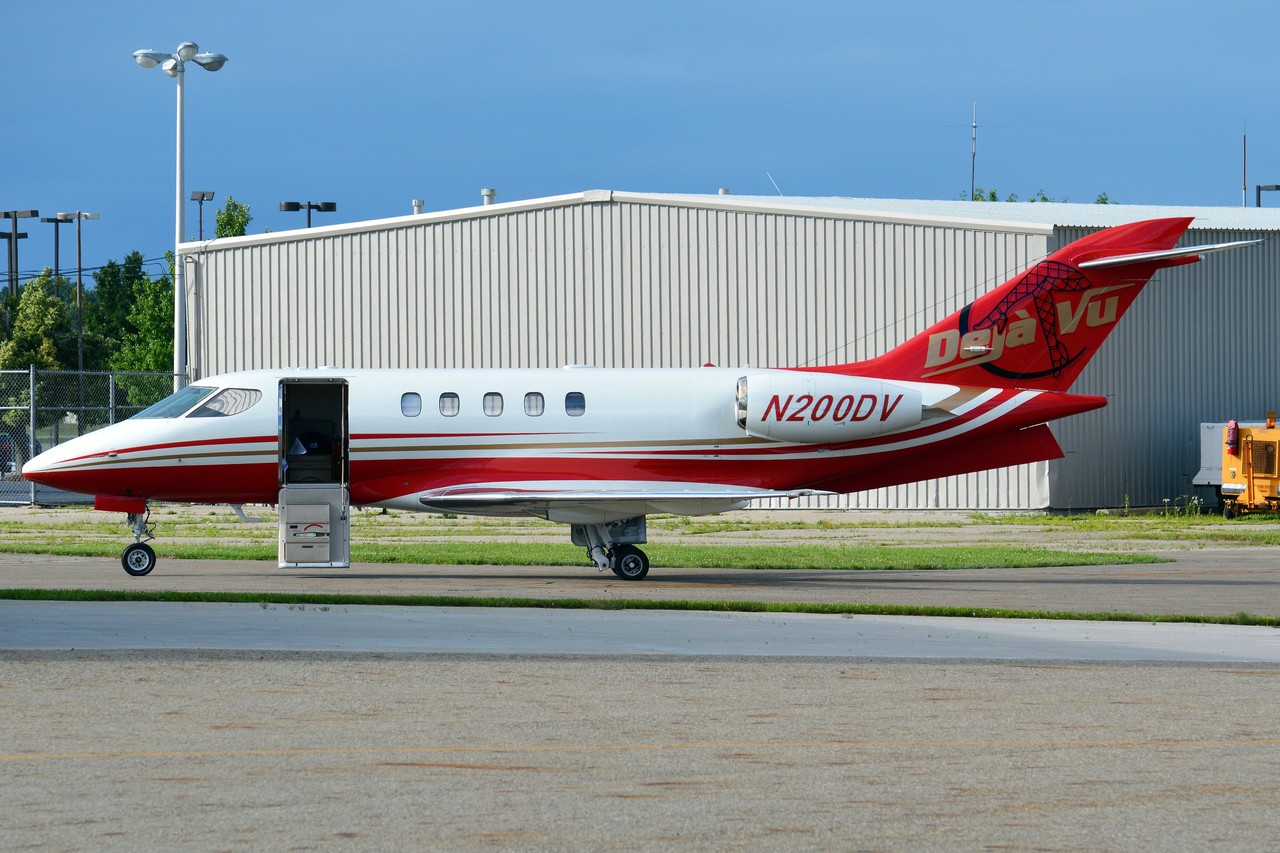
During its brief operational period, the SJ-30 established three speed records in its class, demonstrating performance capabilities that distinguished it from competing light business jets. The aircraft's highly swept wing design, featuring leading-edge slats and a 32-degree sweep angle, provided efficiency advantages over conventional straight-wing competitors.
The fighter-like landing gear assemblies and swept vertical stabilizer contributed to the aircraft's distinctive appearance while supporting its high-speed performance envelope.
Current Status
As of recent reports, only one SJ-30 remains in active flight status. Serial number eight, built in 2009, continues operation under the ownership of Brad Howard, a California construction company owner. This solitary flying example represents the entire active fleet of an aircraft type that promised to revolutionize light business jet aviation.
Ed Swearingen passed away in 2014, but his design innovations in the SJ-30 established regulatory pathways that benefit contemporary aircraft development. The program's certification breakthrough enabled subsequent manufacturers to pursue similar Part 23 Commuter Category approvals, creating lasting impact despite limited commercial success.
Legacy
The SJ-30's primary contribution to aviation extends beyond its modest production numbers to its regulatory achievements. By successfully challenging traditional certification limitations, the aircraft opened new possibilities for business jet development while proving the viability of Williams FJ44 engines in commercial applications. Though the program never achieved financial success, its technical and regulatory innovations continue influencing contemporary aircraft design and certification processes.