
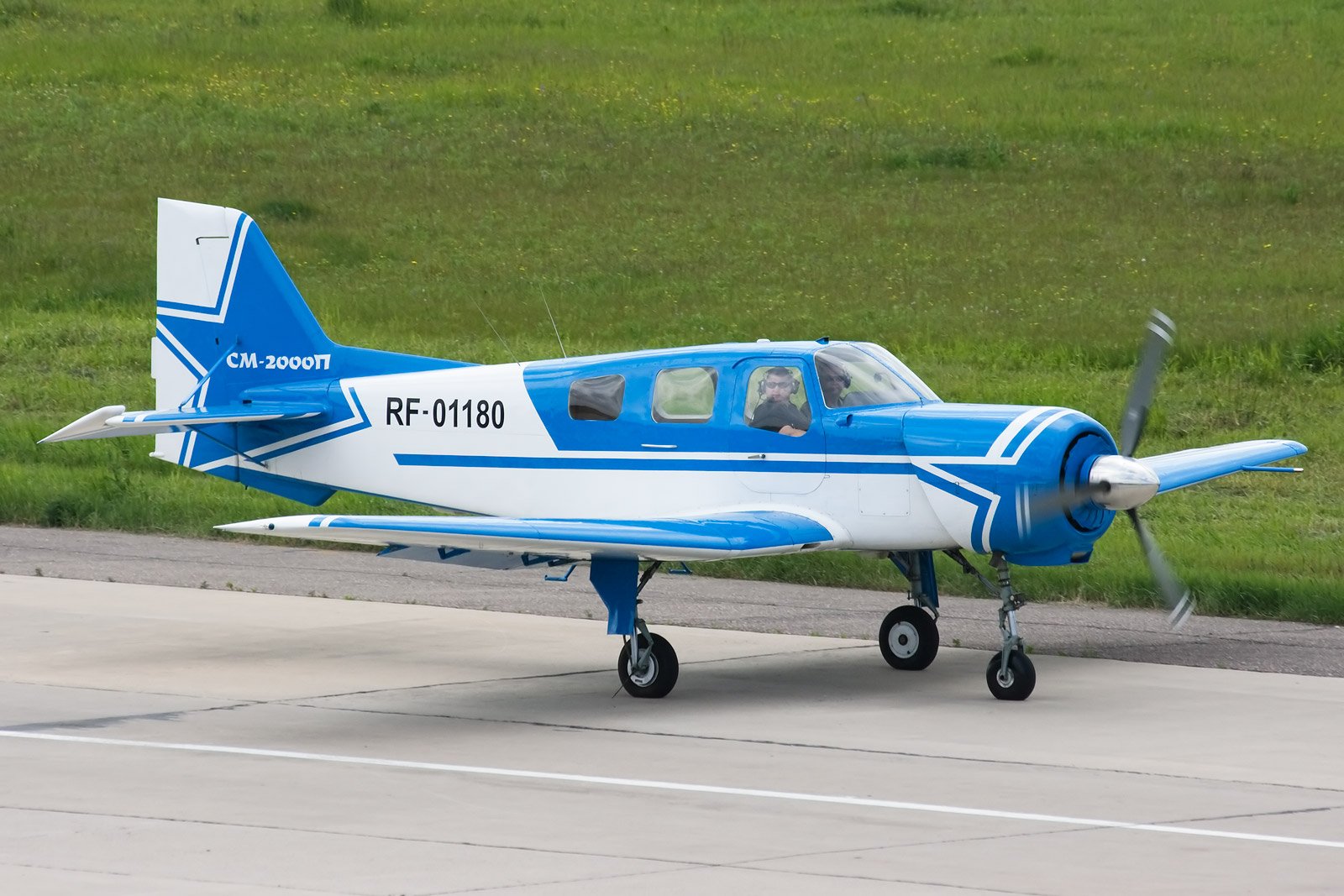
Development Origins
The SM-2000 emerged from Technoavia's systematic evolution of Soviet-era aircraft designs for modern commercial markets. Building upon their earlier SM-94 series, which itself traced lineage to the renowned Yakovlev Yak-18T, the SM-2000 represented a second-generation refinement incorporating lessons learned from previous development programs. The aircraft's design philosophy centered on combining proven aerodynamics with contemporary powerplant technology and expanded passenger capacity.
The Manufacturer
Scientific Commercial Firm Technoavia was established in 1991 by Vyacheslav Kondratiev during the post-Soviet transition period when numerous aviation entrepreneurs sought to commercialize existing aircraft designs. The company focused on modernizing classic Soviet aircraft types, particularly those derived from Yakovlev's successful general aviation platforms. Technoavia partnered with the Smolensk Aircraft Factory for manufacturing capabilities, leveraging existing production infrastructure and skilled workforce from the Soviet aviation industry.
The company's business model involved taking proven airframes and updating them with modern engines, avionics, and interior configurations to meet contemporary certification standards and market demands. This approach promised faster development cycles and reduced financial risk compared to clean-sheet designs.
Technical Development
Engineers at Technoavia incorporated significant aerodynamic refinements into the SM-2000's design compared to its predecessors. The aircraft featured a stretched fuselage to accommodate six passengers, representing a 50 percent capacity increase over typical four-seat configurations of similar aircraft. All-metal wings and empennage construction provided structural durability while maintaining relatively straightforward manufacturing processes.
The turboprop powerplant selection reflected modern efficiency requirements and operational economics. The three-blade propeller system optimized performance across the aircraft's intended operational envelope, balancing takeoff performance with cruise efficiency. Aerodynamic improvements included refined wing profiles and streamlined fuselage contours that reduced drag compared to earlier variants.
Flight Testing and Certification
The SM-2000P prototype, registered as HA-YDF and based in Hungary, achieved first flight on March 21, 2002, marking a significant milestone for Technoavia's development program. Flight testing proceeded through 2002 and early 2003, with the aircraft making its public debut at the MAKS 2003 airshow near Moscow. This international aerospace exhibition provided crucial exposure to potential customers and investors.
The prototype's Hungarian registration reflected Technoavia's strategy of pursuing European certification pathways alongside Russian approvals. This dual-track approach aimed to expand potential market access beyond traditional Soviet sphere customers.
Production Challenges
Despite successful prototype development, the SM-2000 encountered significant commercial obstacles that ultimately limited production. Financial constraints that had previously halted SM-94 series production following the 1997 MAKS demonstration continued to plague Technoavia's operations. The company struggled to secure adequate capitalization for establishing series production lines and completing certification processes in multiple jurisdictions.
Market conditions in the early 2000s presented additional challenges for new general aviation aircraft manufacturers. Economic uncertainty in Russia and competing products from established Western manufacturers created a difficult competitive environment for relatively unknown aircraft types.
Limited Production Legacy
Production records indicate extremely limited manufacturing of SM-2000 aircraft, with potentially only the single prototype completed. The absence of subsequent development announcements after 2006 suggests that Technoavia was unable to transition from prototype to commercial production successfully. This outcome mirrors the fate of numerous post-Soviet aviation ventures that possessed technical capability but lacked sufficient financial resources and market access.
The SM-2000's design philosophy of evolutionary development rather than revolutionary innovation represented a pragmatic approach to aircraft development, but market realities ultimately prevented its commercial success. The project demonstrates both the potential and limitations of post-Soviet aviation entrepreneurship during the challenging transition period of the 1990s and early 2000s.
Current Status
No evidence exists of continued SM-2000 development or production activities beyond the mid-2000s. The fate of the prototype aircraft remains unclear, with no confirmed museum preservation or continued operational use. Technoavia's subsequent activities and current status are not well documented, suggesting the company either ceased operations or shifted focus to other projects following the SM-2000's commercial failure.