
Design Innovation
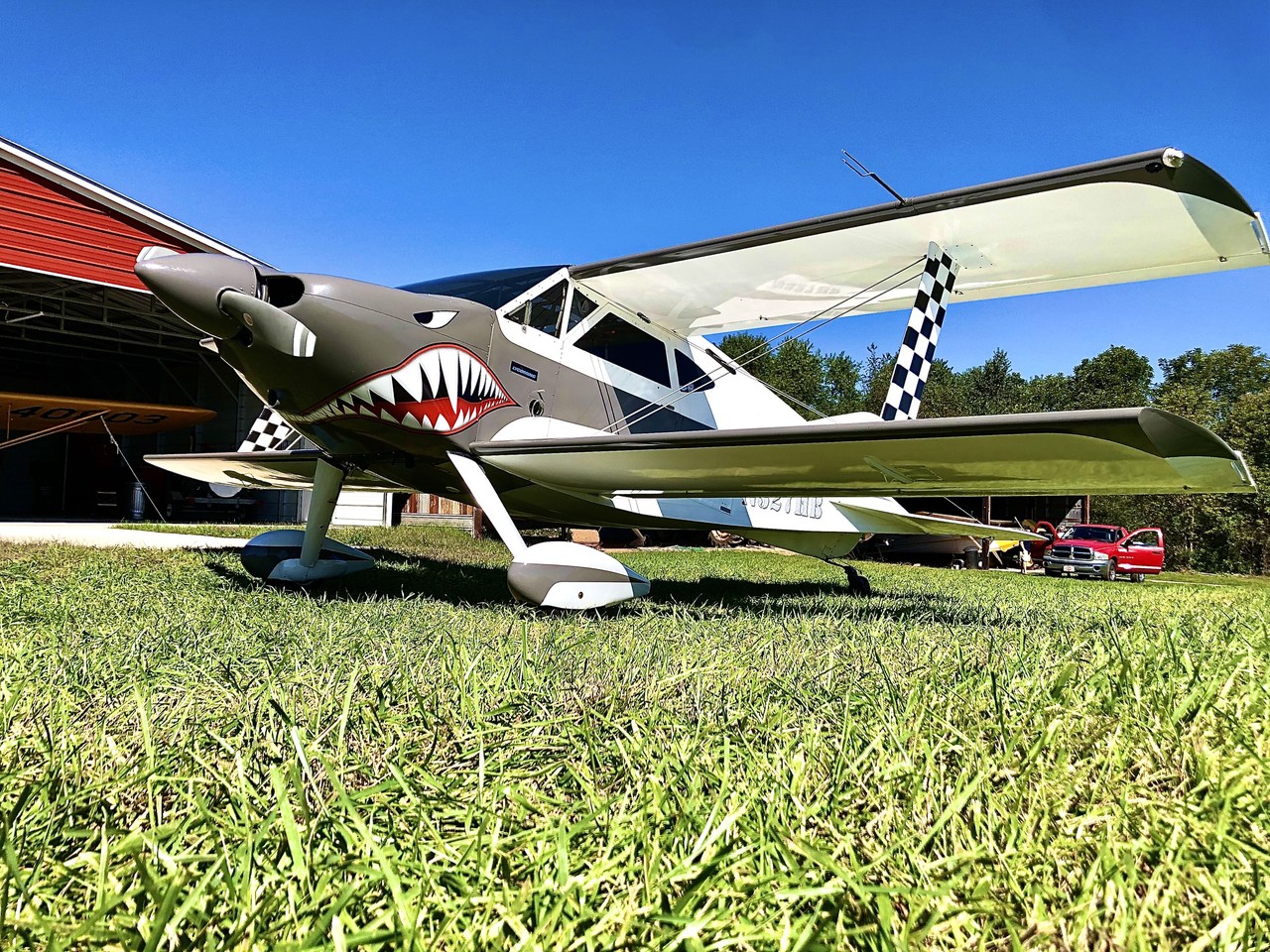
The SNS-7 emerged from the creative minds of Hobie Sorrell and his sons John, Mark, and Tim Sorrell, who sought to revolutionize homebuilt aerobatic aircraft in the early 1970s. The name "Hiperbipe" derived from "High Performance Biplane," while "SNS" stood for "Sorrell Negative Stagger," reflecting the aircraft's most distinctive design feature. This unconventional stagger configuration, combined with a lifting-body fuselage design, allowed for smaller wing surfaces while maintaining exceptional aerobatic capabilities.
The aircraft evolved from the SNS-6, which achieved its first flight in the early 1970s and earned the Outstanding New Design award at Oshkosh in 1973. John Sorrell led the flight testing program after completing his Vietnam War service, refining the design that would become the SNS-7. The aircraft's unique 42-inch-wide constant-width fuselage served dual purposes: creating a lifting body effect that enhanced performance and providing generous baggage capacity of up to 80 pounds.
Construction and Performance
The SNS-7 employed mixed construction techniques that became hallmarks of quality homebuilt design. The fuselage utilized welded 4130 steel tubing in three-quarter-inch square sections, while the wings featured wooden spars with plywood stressed-skin construction. A custom symmetrical airfoil optimized the wings for unlimited aerobatic performance, including demanding maneuvers such as vertical eight-point rolls and inside-outside vertical figure eights.
Full-span flaperons provided exceptional control authority throughout the aircraft's aerobatic envelope. The landing gear consisted of spring steel construction with optional fiberglass fairings, while the entire aircraft received fabric covering except for the fiberglass cowling. This combination of materials delivered both strength and relatively light weight essential for aerobatic performance.
Powerplant
Most SNS-7 aircraft utilized the reliable Lycoming IO-360 series engine, typically the IO-360-C1C variant producing 180 horsepower in standard configuration. This fuel-injected, opposed-four-cylinder powerplant provided consistent performance throughout aerobatic sequences. Many owners upgraded their engines to produce approximately 220 horsepower through compression modifications, enhancing the aircraft's already impressive vertical performance capabilities.
Manufacturing History
Sorrell Aviation began operations in 1958 in Tenino, Washington, after the Sorrell family relocated from Oregon. The company's founding coincided with Hobie Sorrell's successful petition to Congress for experimental aircraft regulations, as Oregon had been the last U.S. state to prohibit homebuilt aircraft construction. This regulatory change enabled the family to pursue their innovative designs.
Between 1973 and 1983, Sorrell Aviation produced between 50 and 100 SNS-7 kits before ceasing operations. The company also manufactured parts for the Pitts S-1-11B Super Stinker and other homebuilt designs during its 25-year operational period. Notable builders included Frank Psota, who purchased his kit in 1977 and achieved certification in 1980, demonstrating the typical multi-year construction timeline for amateur builders.
Modern Revival
Thunderbird Aviation, established in Michigan in 2002 by Ron Jones, acquired the rights to various Sorrell designs, including the SNS-7 in 2015. While the company produces parts and basic kits to support existing aircraft, complete SNS-7 kits have not returned to the market. Thunderbird continues evaluating potential improvements, including metal wing upgrades that would modernize the original wood-and-fabric construction.
Pilot Experience
The SNS-7's side-by-side seating arrangement distinguished it from most aerobatic aircraft of its era, which typically featured tandem configurations. This cabin-style layout provided enhanced communication between instructor and student or simply allowed pilots to share the aerobatic experience with passengers. The aircraft's distinctive shark-like profile, created by its constant-width fuselage and negative stagger wings, generated strong reactions from aviation enthusiasts and casual observers alike.
Legacy and Current Status
The exact number of airworthy SNS-7 aircraft remains unknown, though dedicated enthusiasts continue maintaining these unique biplanes decades after production ended. The 50th anniversary celebration in 2023 highlighted the design's enduring appeal, featuring the "Last and Best" example constructed by Mark and John Sorrell themselves. This milestone demonstrated the aircraft's lasting impact on the homebuilt aerobatic community.
The SNS-7 Hiperbipe represents a significant achievement in 1970s experimental aviation, successfully combining unlimited aerobatic performance with comfortable accommodations in an era when such capabilities typically required significant compromises in pilot comfort. Its innovative design solutions continue influencing contemporary homebuilt aircraft development, while Thunderbird Aviation's ongoing parts support ensures existing examples can continue flying for future generations of aerobatic enthusiasts.