
Market Impact and Popularity
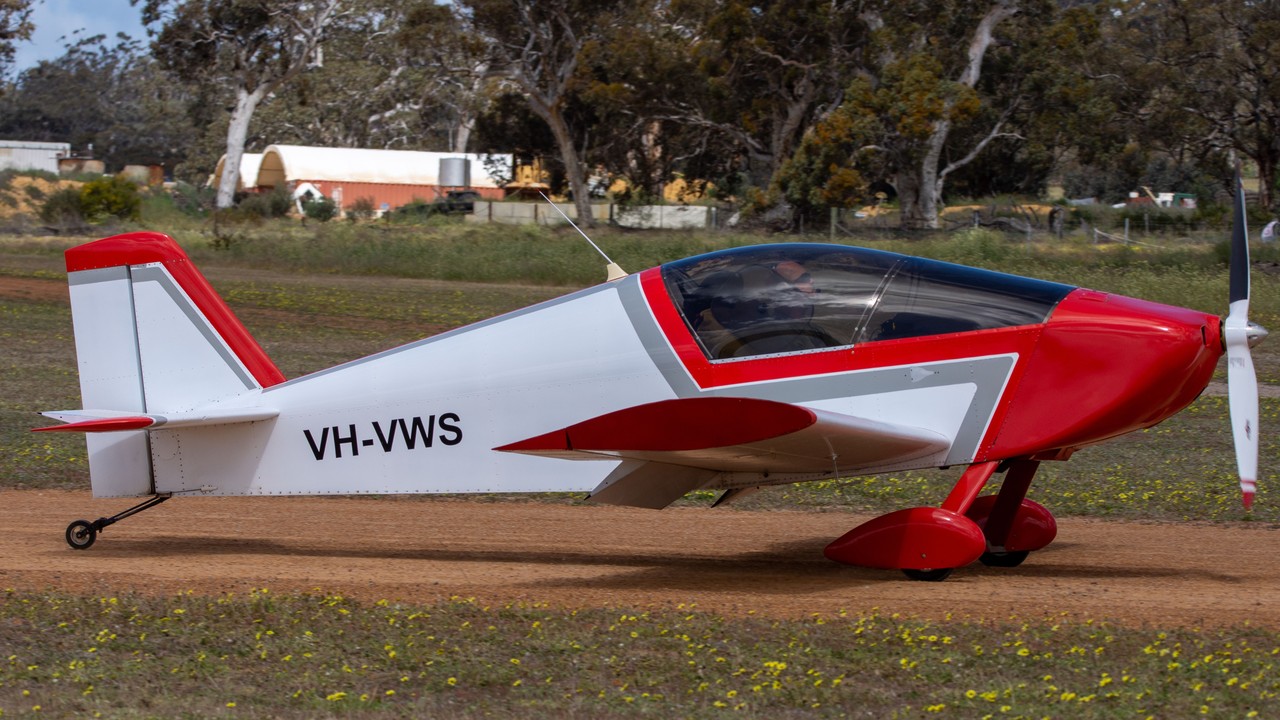
The Sonex fundamentally changed the experimental aircraft market by offering an affordable path to all-metal construction. Within its first two years, over 100 examples were sold, establishing it as one of the most successful homebuilt designs of the late 1990s. By 2014, builders had completed 500 aircraft from the more than 1,600 kits shipped worldwide. The design's popularity earned it recognition as Plane of the Year in the E-LSA Kit Category by Aero-News.Net in 2006.
The Designer and Development
John Monnett, already renowned for creating the Sonerai sport aircraft series, Monerai sailplane, Moni motorglider, and Monex racer, developed the Sonex after being approached by Italian businesses seeking an aircraft meeting European Microlight category requirements. Rather than simply modifying his existing Sonerai design, Monnett created an entirely new aircraft optimized for Jabiru or Volkswagen engine installations. The design incorporated the proven all-aluminum box fuselage construction techniques pioneered in his earlier Moni motorglider.
Monnett personally conducted the first flight of Sonex serial number one (SX1) at Wittman Regional Airport in Oshkosh, Wisconsin, establishing the aircraft's performance credentials from day one.
Sonex Aircraft Company
Founded in 1998 in Oshkosh, Wisconsin, Sonex Aircraft LLC has grown from a startup into a major player in the experimental aircraft market. The company expanded significantly in 2006 with the opening of a flight center and 5,600-square-foot parts distribution warehouse. In 2013, the FAA National Kit Evaluation Team approved fast-build versions of the Sonex, Waiex, and Onex under the "51% rule," allowing builders to purchase more complete kits while maintaining amateur-built status.
The company diversified through strategic acquisitions, purchasing the rights to Monnett's original Sonerai design in December 2019. Sonex Aircraft also operates AeroConversions as a subsidiary, manufacturing the AeroVee engine series based on Volkswagen air-cooled automotive engines specifically adapted for aircraft use.
Engine Options and Performance
The Sonex accepts any lightweight engine under 200 pounds producing between 80 and 130 horsepower. Popular choices include the Australian-built Jabiru 2200 (80 hp) and Jabiru 3300 (100 hp) engines, Austrian Rotax powerplants, Volkswagen derivatives, and the company's own AeroVee series. The Sonex-B model introduced in April 2016 also accommodates the ULPower UL350i series.
With the Jabiru 3300 engine, the Sonex achieves a maximum speed of 170 mph and maintains that same cruising speed at 8,000 feet altitude, dropping to 150 mph at sea level. The aircraft is stressed for +6/-3G loads, making it suitable for mild aerobatic maneuvers.
Construction and Builder Experience
Sonex Aircraft revolutionized kit construction by offering two paths to completion. Builders can construct from factory-supplied drawings using traditional scratch-building methods, or assemble a precut complete airframe kit in approximately 800 to 1,000 hours. The complete kit approach allows builders to finish a flyable aircraft for as little as $25,600, making it one of the most economical paths to aircraft ownership.
The company has conducted an average of three builder workshops annually since 1998, continuously refining these educational events based on builder feedback and construction challenges encountered in the field.
Variants and Evolution
The original Sonex spawned multiple successful variants. The Waiex, first shipped in 2004, features a distinctive V-tail configuration that was actually Monnett's original design intent. Performance and handling characteristics remain virtually identical between the conventional-tail Sonex and V-tail Waiex.
In 2016, Sonex introduced the B-model series for both Sonex and Waiex variants, featuring an enlarged cockpit for larger pilots, center Y-stick configuration, electric flaps, and dual throttles as standard equipment. The company now focuses exclusively on B-model kit production, though original plans remain available for scratch builders.
The Xenos motor-glider variant extends the Waiex design with 45-foot, 8-inch wings compared to the standard aircraft's shorter span. The single-seat Onex, introduced at AirVenture 2009, features folding wings and AeroVee power for pilots seeking simple, economical flying.
International Reach and Special Configurations
Sonex aircraft have achieved global distribution, with the first New Zealand registration occurring on October 6, 2000. Approximately 22 examples are known to operate in Australasia alone, demonstrating the design's international appeal.
The type's versatility was demonstrated on May 18, 2004, when the first float-equipped Sonex completed its maiden flight in the United States, proving the airframe's adaptability to amphibious operations.
Current Status and Legacy
Sonex Aircraft remains active in 2024, continuing kit production and support for the large fleet of flying aircraft. Company founder John Monnett's contributions to homebuilt aviation earned him induction into the EAA Homebuilt Hall of Fame, cementing his legacy alongside other pioneers of amateur aircraft construction.
The Sonex's success lies in its combination of traditional all-metal construction, reasonable building time, affordable cost, and solid performance characteristics that appeal to both new and experienced pilots seeking capable, economical aircraft.