
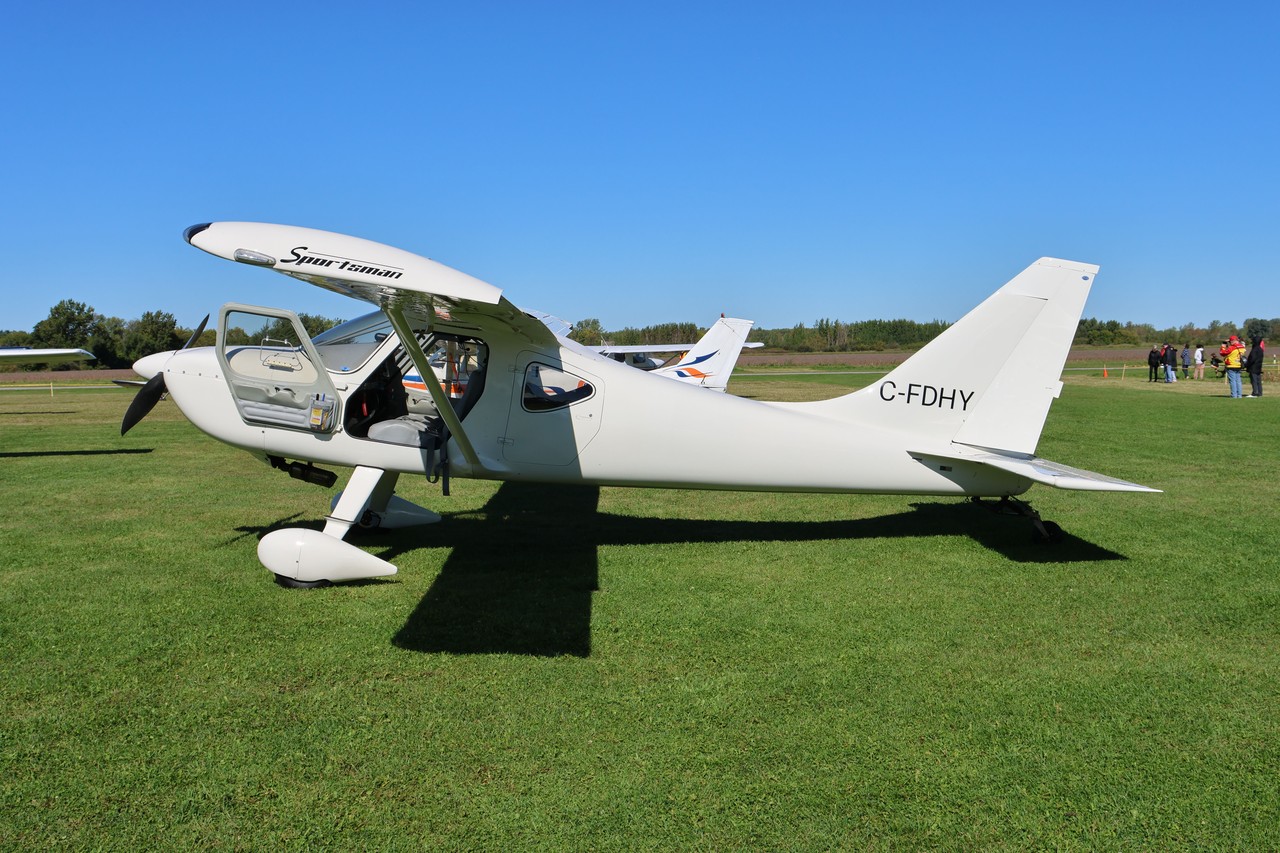
Design and Construction Philosophy
The Sport 1700 embodies the homebuilt aviation movement's emphasis on traditional construction methods combined with modern materials knowledge. AMAX Engineering designed the aircraft around a welded 4130 steel tube fuselage framework, providing structural integrity while remaining within the capabilities of amateur builders equipped with basic welding equipment. The wooden wing construction reflects time-tested techniques, with the entire airframe covered in doped aircraft fabric for weather protection and aerodynamic smoothness.
Engineering Specifications
The aircraft's parasol wing configuration places the 33-foot wingspan above the fuselage, connected by streamlined struts that provide both structural support and favorable aerodynamic characteristics. This design choice delivers excellent visibility for both occupants while maintaining stable flight characteristics across the aircraft's performance envelope. The wings incorporate a folding mechanism, allowing owners to reduce storage space requirements and facilitate ground transportation to different airfields.
Performance Characteristics
Powered by air-cooled four-stroke engines producing between 85 and 110 horsepower, the Sport 1700 achieves respectable performance figures for its category. The aircraft cruises at 85 mph while consuming fuel from its 16-gallon capacity, providing a range of 340 miles under standard conditions. Its service ceiling of 14,000 feet and climb rate of 900 feet per minute demonstrate adequate performance for recreational flying and cross-country touring.
Construction Requirements
AMAX Engineering estimated 500 hours of construction time for builders working from the supplied kit, positioning the Sport 1700 as a moderately complex project within the homebuilt aircraft spectrum. The tandem seating arrangement accommodates a useful load of 700 pounds, allowing the 600-pound empty weight aircraft to carry two occupants plus baggage while remaining within the 1,300-pound gross weight limitation.
Operational Examples
Documented examples of the Sport 1700 include aircraft registered as N152PS and ZU-PFM, indicating international appeal for the design. The South African registration suggests the aircraft plans or kits reached builders beyond Australia, though total production numbers remain unspecified in available records.
Manufacturing Background
AMAX Engineering of Donvale, Victoria represented one of numerous small companies serving the homebuilt aircraft market during the late 20th century recreational aviation boom. The company's focus on providing both complete kits and construction plans allowed builders to choose their preferred level of manufacturer support versus personal fabrication work.
Technical Innovation
The Sport 1700's wing loading of 8.9 pounds per square foot contributes to its gentle flying characteristics, particularly beneficial for pilots transitioning from training aircraft or those seeking forgiving handling qualities. The conventional landing gear configuration with tailwheel arrangement maintains authenticity to classic aviation designs while providing ground handling familiarity for pilots experienced with traditional aircraft types.
Market Position
Within the homebuilt aircraft market, the Sport 1700 competed with numerous other designs offering similar performance and construction complexity. Its open cockpit configuration appealed specifically to pilots seeking the authentic flying experience associated with aviation's golden age, while the parasol wing design provided practical advantages in visibility and ground handling compared to traditional biplane configurations.
Current Status
The current operational status of AMAX Engineering remains unclear from available documentation, reflecting the volatile nature of small aviation companies serving niche markets. The homebuilt aircraft industry has historically seen numerous companies enter and exit the market as economic conditions and founder circumstances change, leaving some designs orphaned without ongoing manufacturer support for builders or operators.