
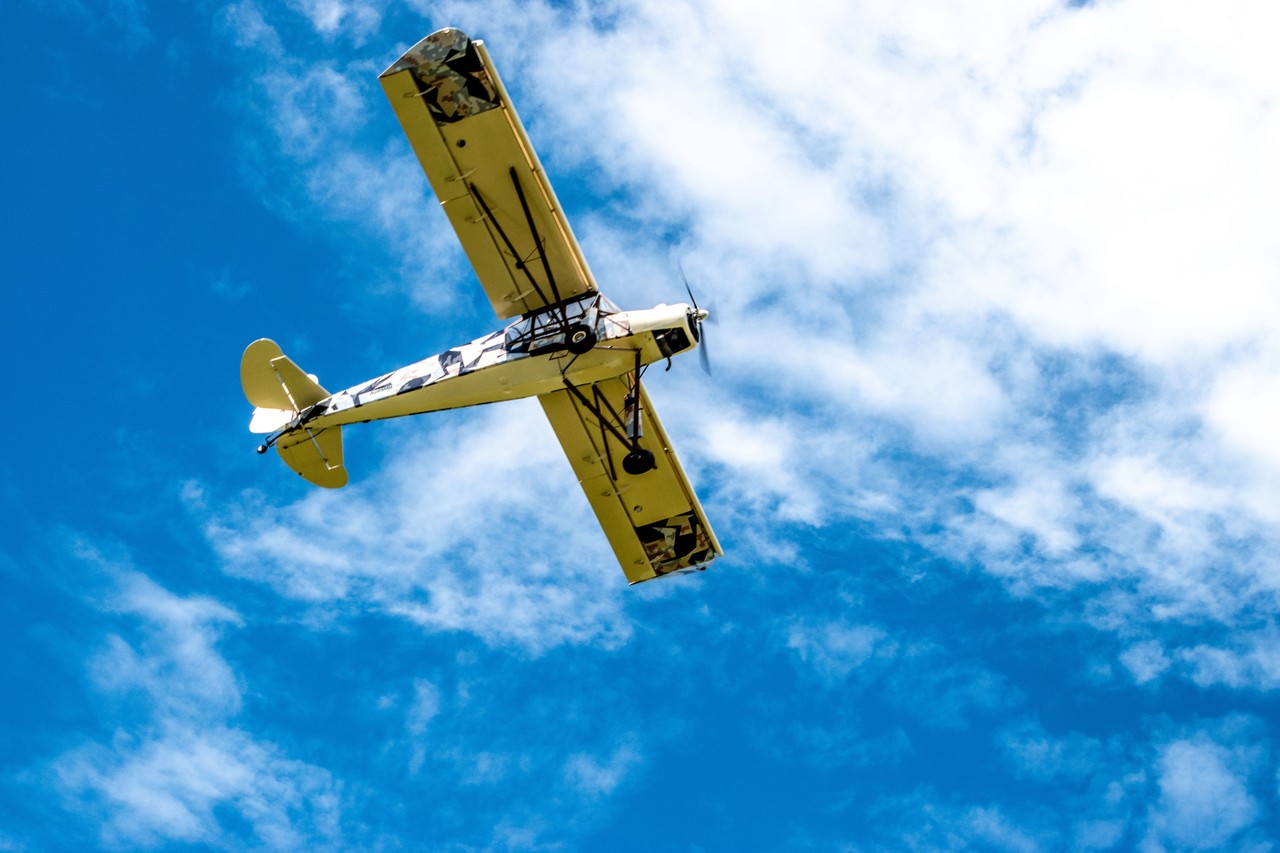
Design Heritage and Development
The SS-4 Storch emerged from a desire to recreate the extraordinary flight characteristics of the Fieseler Fi 156 Storch in a contemporary ultralight format accessible to recreational aviators. Designer Slepcev began development in the early 1990s, working with aeronautical engineer C.W. "Bill" Whitney to bring the project through certification. The original German aircraft, renowned for its 31-mph stalling speed and ability to operate from impossibly short strips, served as inspiration for this scaled-down interpretation.
The prototype bearing registration VH-ZOR took to Australian skies in 1991 as a single-seat configuration. Three years of refinement led to the two-seat variant's maiden flight in 1994, establishing the foundation for what would become a successful kitbuilt aircraft program.
The Manufacturer
Slepcev Aircraft Industry established operations in Beechwood, New South Wales, Australia, during the early 1990s ultralight aviation boom. The company later rebranded as Storch Aviation Australia, reflecting its focus on the Storch replica program. Production eventually expanded to Serbia, where engineers developed a variant meeting Fédération Aéronautique Internationale microlight category requirements for European markets.
The transition from Australian to Serbian manufacturing represented the global appeal of the design, though specific details regarding current operational status remain limited in available documentation.
Certification and Technical Achievement
On October 14, 1999, the aircraft achieved JAR-VLA (Joint Airworthiness Requirements - Very Light Aircraft) certification in Australia, validating its design for the very light aircraft category. This milestone required approximately 600 hours of construction time for kitbuilders, making it accessible to dedicated amateur constructors.
The aircraft incorporates conventional manual flight controls operated through pushrods and cables, featuring full-span leading-edge slats and flaps that enable its renowned short-field performance. Ground-adjustable tabs on each aileron and horn-balanced tail surfaces complete the control system, while the removable wing design facilitates transportation and storage.
Engine Variants and Performance
Multiple powerplant options expanded the SS-4's versatility across different mission profiles. The standard configuration employs a Rotax 912 four-cylinder, four-stroke engine producing 79.9 horsepower, providing reliable performance for recreational flying. This Austrian-manufactured powerplant became the backbone of the ultralight aviation industry during the 1990s.
The Super Storch Mk 4 variant received the more powerful Textron Lycoming O-320 engine, delivering 160 horsepower and enabling a top speed of 126 mph. By April 2002, 13 Super Storch Mk 4 aircraft had been completed in Australia, demonstrating the appeal of enhanced performance capabilities.
Specialized variants pushed the design envelope further. The Storch SS-FP floatplane variant, registered as VH-ANB in November 2001, combined Lotus floats with a Rotax 912S2 engine for amphibious operations. The most ambitious variant, the Storch Moose, received a massive M-14P radial engine producing 355 horsepower while maintaining a maximum speed of just 120 mph, prioritizing short-field performance over velocity.
Pilot Perspective and Flight Characteristics
Pilots praise the SS-4 for faithfully recreating the docile handling characteristics that made the original Fi 156 legendary among aviators. The full-span leading-edge slats automatically deploy at low speeds, maintaining aileron authority when other aircraft would stall. Combined with effective flaps, this system enables approaches at extremely slow speeds and landings in confined spaces.
The tandem seating arrangement provides excellent forward visibility for both occupants while maintaining the classic proportions of the original design. Control harmony mirrors that of the wartime aircraft, with light, responsive inputs and predictable behavior throughout the flight envelope.
Production Legacy and Current Status
While exact production numbers remain undocumented, the aircraft achieved notable milestones including the 100th Storch built, registered as VH-AYQ in November 2001 as the prototype Storch Moose variant. This achievement demonstrated sustained interest in the design more than a decade after initial development.
The SS-4 Storch represents a successful bridge between warbird nostalgia and modern recreational aviation, offering builders an authentic connection to aviation history through hands-on construction and flight experience. Unlike expensive warbird restorations requiring substantial resources, the kitbuilt approach democratized access to this iconic design's flight characteristics.
Today, examples continue operating worldwide, serving as testaments to the enduring appeal of the original Fi 156's revolutionary short takeoff and landing capabilities adapted for contemporary recreational flying.